The first time you catch your reflection mid-Swingout—skirt flaring, shoes sliding, grin unmistakable—you'll understand why Lindy Hop has its own unwritten dress code. It's not about costume. It's about clothes that keep up with you.
Born in the ballrooms of 1920s and 30s Harlem, Lindy Hop demands freedom, spontaneity, and enough vintage flair to honor the dance's roots. But the perfect outfit isn't locked in any one decade. It's whatever lets you move, breathe, and dance until the band packs up.
The Non-Negotiable: Footwear
Suede-soled shoes are the foundation of every Lindy Hop wardrobe. They grip just enough for control and release just enough for slides. Leather-soled street shoes are dangerously slippery on polished floors; rubber soles stick and strain your knees.
What to look for:
- Cushioned insoles — your arches will thank you after three hours of social dancing
- Low, stable heels — one to two inches maximum; spike heels invite ankle injuries
- Secure straps or laces — your foot shouldn't shift inside the shoe during quick turns
Classic oxfords, T-straps, and Mary Janes remain scene staples. If you're buying one quality pair, seek out dance-specific brands like Aris Allen, Remix Vintage Shoes, or Slide & Swing. Expect to spend $80–$180 for shoes that will outlast countless dance floors.
Bottoms: Twirl, Tailoring, or Both
How you dress from the waist down depends on how you want to feel in motion.
Full-Skirted Rotation
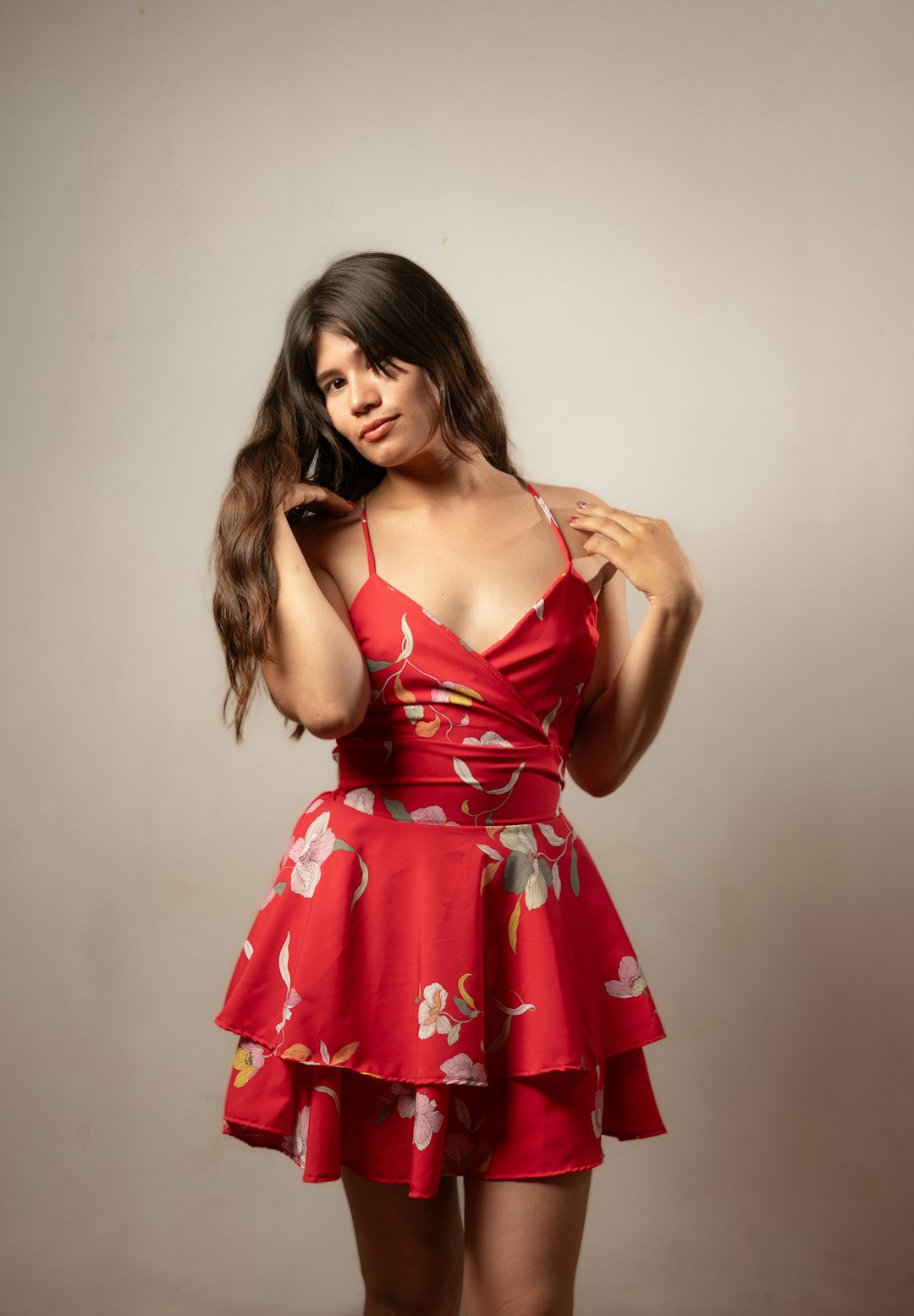
Circle skirts, A-line dresses, and wide-legged culottes create visual drama with every turn. Look for lightweight fabrics—cotton, rayon, or crepe—that won't tangle around your legs. Hemlines should hit at or above the knee; anything longer becomes a hazard in crowded ballrooms.
Tailored Mobility
For clean lines and zero restriction, choose high-waisted trousers or cropped pants with some stretch woven in. A mid-rise or high-rise cut stays put through deep knee bends and kick-steps. Avoid stiff denim; it fights back when you need to lift your knees.
Tops: Fit Without Restriction
Your top needs to stay put through Charleston kicks, tuck turns, and sudden drops in temperature as the night wears on.
Best bets:
- Fitted button-ups with a touch of stretch
- Wrap blouses that won't gape when you reach
- Breathable swing tops with defined waists and room to move through the shoulders
Natural fibers or performance blends wick sweat better than pure polyester—critical in unairconditioned venues or summer festivals. If you tend to run warm, pack a lightweight backup top for quick changes between classes and social dances.
Accessories: Personality With Caution
The right accessory elevates your look. The wrong one becomes a projectile.
| Worth the risk | Leave at home |
|---|---|
| Small silk scarves tied at the neck | Long dangling necklaces that whip your partner |
| Thin belts that sit securely at the natural waist | Bulky bags (use a small crossbody or check a coat) |
| Hair flowers or small fascinators with firm clips | Large hats that block sightlines or fall off mid-dance |
Some venues actively discourage hats on the dance floor. When in doubt, observe the room before you commit.
What to Avoid
A few hard-won lessons from dancers who learned the hard way:
- All-rubber soles — joint strain and stuck spins
- Long, unhemmed skirts or wide palazzo pants — tripping hazards for you and everyone around you
- Dark colors in summer or under hot stage lights — sweat shows fast; embrace prints, pastels, or moisture-wicking black
- Costume pieces without movement testing — if you can't sit, squat, and raise your arms overhead comfortably, you can't Lindy Hop in it
Modern Styling: Make It Yours
Scene veterans mix decades with abandon. A 1940s rayon blouse pairs beautifully with contemporary high-waisted trousers. A vintage-inspired circle skirt looks sharp with a simple fitted tee and canvas sneakers (with suede soles added, of course). The most memorable dancers develop a signature look—one that nods to history without living in a museum.
Consider the event, too. A weekly social dance calls for practical comfort. A weekend workshop demands layers and backup outfits. A competition or performance invites bolder color, sharper tailoring, and the occasional sequin.
The Bottom Line
The best-dressed dancer in the room isn't the one in the most authentic 1930s reproduction. It's the one who can dance