Let Your Outfit Do Half the Dancing
Picture this: you walk into a salsa club wearing jeans and a cotton t-shirt. The music hits, you start moving, and within three songs you're soaked in sweat, fabric clinging to every inch of you. Now picture the same night in a fitted satin top with stretch — you're gliding, spinning, and still comfortable at midnight. Same dancer. Completely different experience.
Your clothes aren't just decoration when you dance Latin. They're part of the performance.
Match the Outfit to the Dance
Here's something beginners get wrong: they treat "Latin dance" as one thing. It's not. A bachata night calls for something flirty and flowy — think a skirt that moves when you do, colors that pop under club lighting. Paso doble? That's theater. You need structure, drama, something that makes you look like you could command a bullring.
Salsa sits somewhere in between. Competitive salsa dancers go bold — sequins, fringe, high slits. Social salsa? A well-cut dress or sharp shirt works. The trick is reading the room before you raid your closet.
Color Isn't Optional
Neutral tones have their place in life. The Latin dance floor isn't that place.
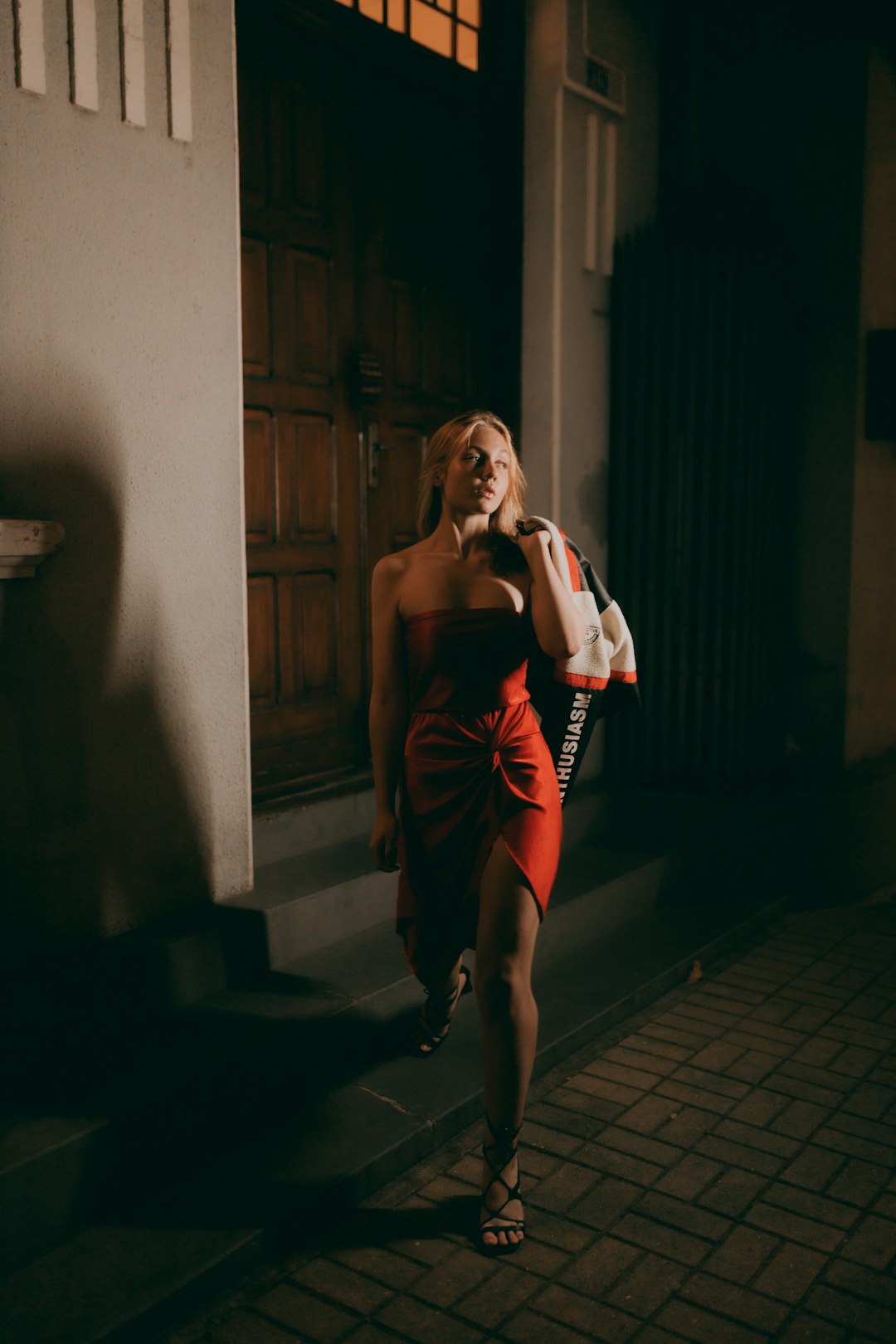
Rich reds, electric blues, emerald greens — these aren't just pretty choices. Under stage lights or dim club bulbs, saturated colors catch movement in ways black and grey never will. A floral print ripples when you spin. Geometric patterns accentuate hip motion. Your outfit becomes a visual extension of the music.
That said, there's a difference between vibrant and chaotic. Pick one statement piece and build around it.
Comfort Wins Every Argument
I've watched dancers hobble off the floor because their dress looked incredible but restricted their arms. Don't be that person.
Satin, silk blends, and quality synthetics with stretch are your best friends. They breathe, they move with you, and they don't trap heat. Avoid stiff cotton, heavy denim, or anything that makes you think "I'll just deal with it." You won't deal with it. You'll hate it by song three.
The Shoe Situation
This deserves its own section because it matters that much.
Women: Latin dance heels typically range from 2 to 3 inches. Start lower if you're new. The sole should be suede — grippy enough to control slides, smooth enough to pivot. And please, break them in at home before hitting the floor.
Men: look for leather-soled shoes with ankle support. You're doing pivots, quick weight changes, and sometimes catching a partner mid-dip. Your sneakers aren't built for that.
Tailoring Is the Secret Weapon
A $40 dress that fits perfectly will always look better than a $200 outfit that hangs wrong. Find a tailor who understands dancewear. The hemline needs to clear your knees for turns. The waist should sit secure without pinching. Sleeves — if any — can't ride up when you raise your arms.
This is the step most people skip, and it shows.
Accessories That Earn Their Place
A chunky bracelet that whacks your partner's shoulder mid-cross-body-lead? Leave it at home. A pair of statement earrings that frame your face under stage lights? Perfect.
Keep accessories secure, lightweight, and out of the way. A sequined hair clip, a thin belt that defines your waist, a pocket square that matches your partner — small details that read as intentional, not accidental.
Make It Yours
The dancers people remember aren't the ones in the most expensive outfits. They're the ones who look like they belong in their clothes. Maybe that's a custom embroidery on your shirt. Maybe it's a color combination nobody else would pick. Maybe it's the way your grandmother's ring catches the light when you extend your hand for a turn.
Wear something that feels like you, moves like you, and makes you walk onto that floor like you own it. Because confidence — that's the best thing anyone can wear dancing.