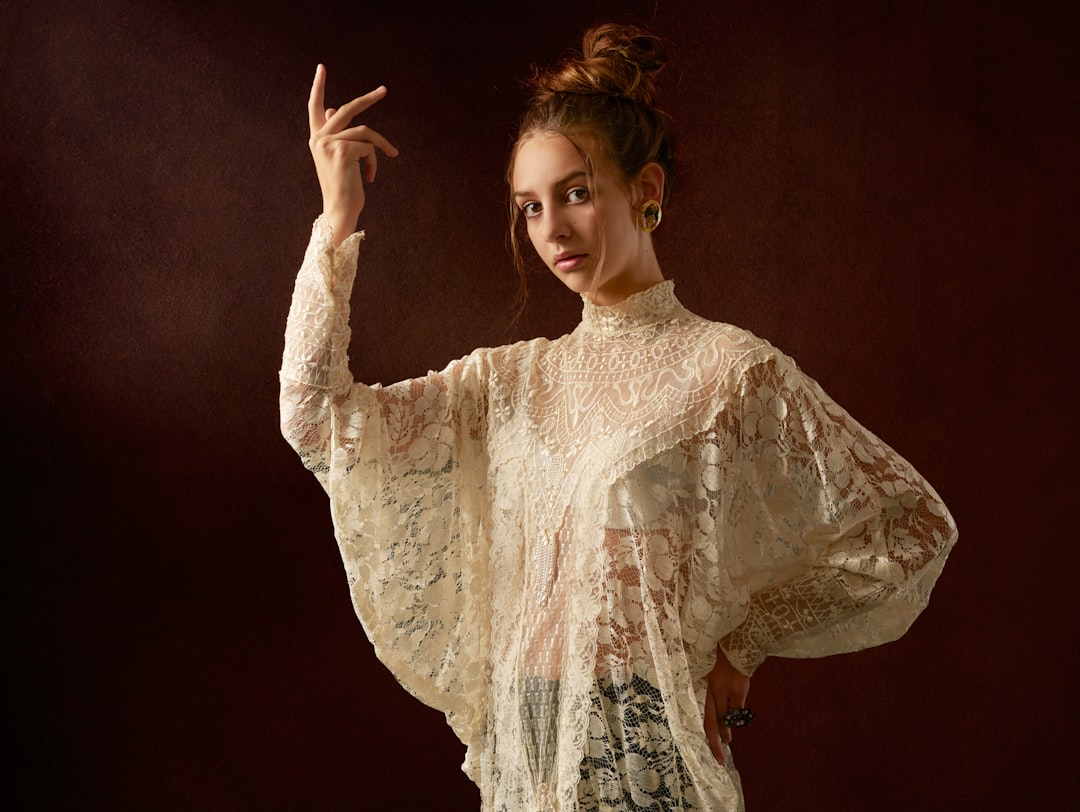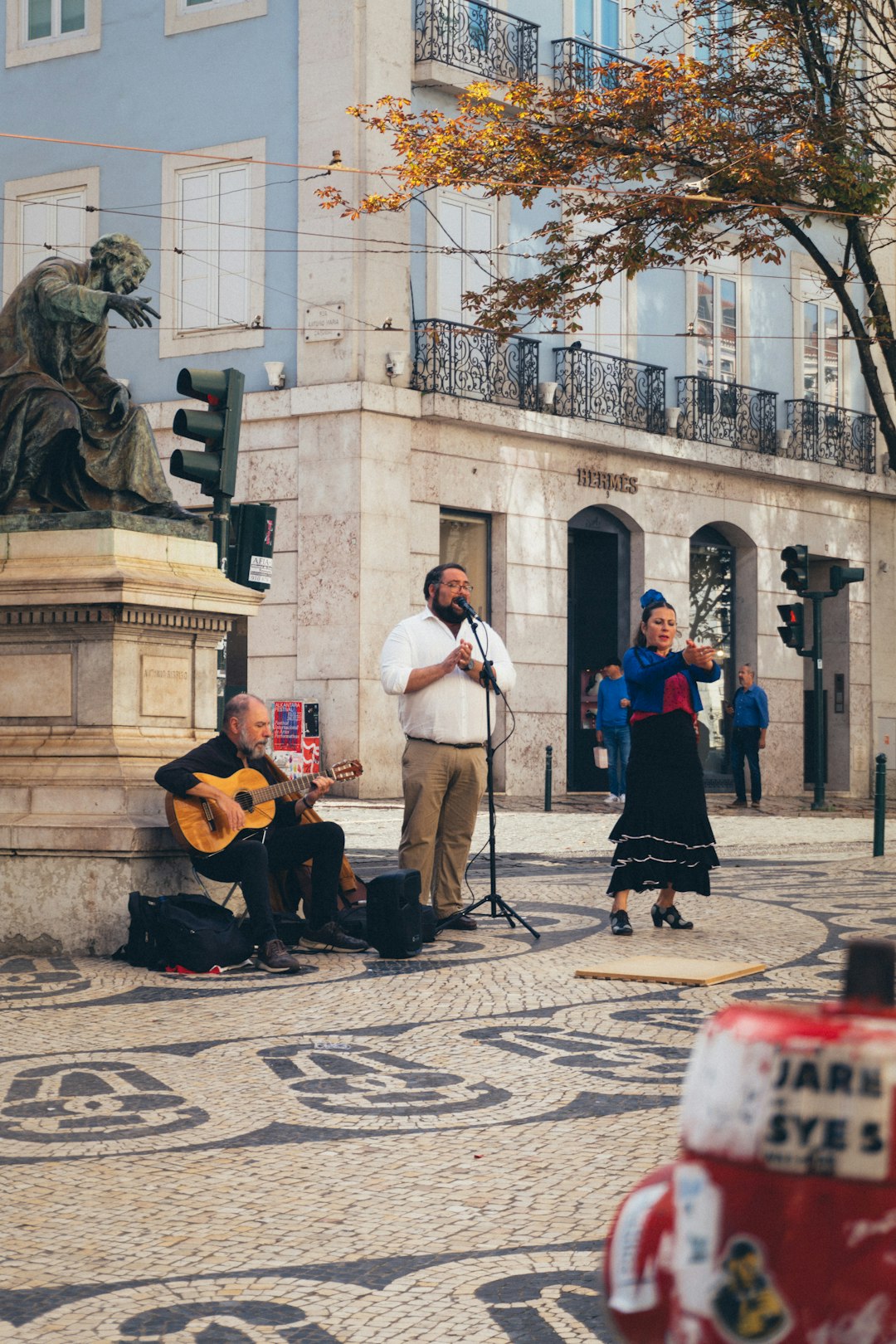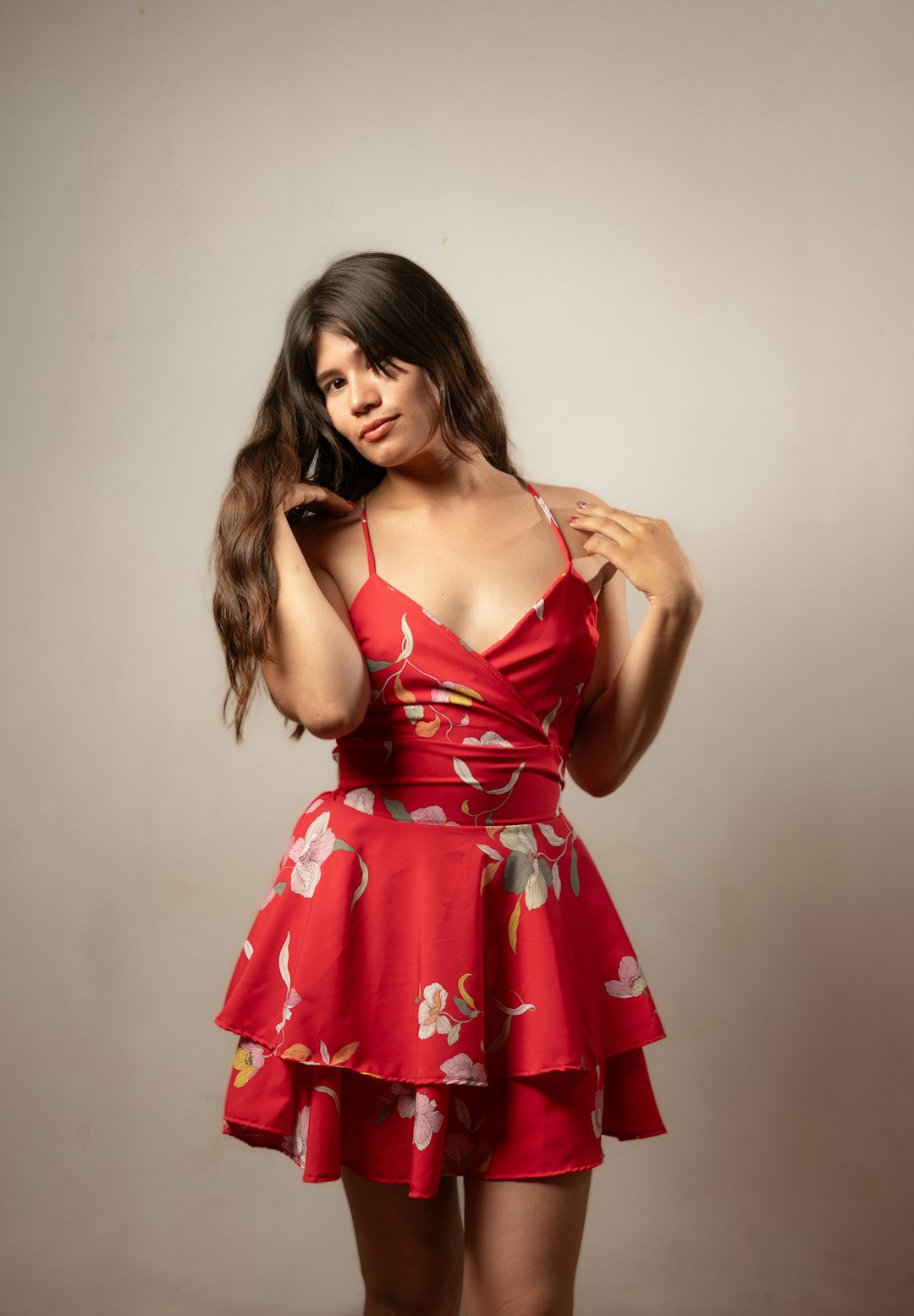
The first time Maria stepped onto a Lindy Hop social floor, she wore her gym sneakers and yoga pants. By the end of the night, her rubber soles had stuck mid-spin, sending her tumbling, and her synthetic top clung like a wet towel. She'd missed the memo: Lindy Hop fashion isn't just about looking good—it's physics, history, and community code all stitched together.
Whether you're chasing that 1940s Savoy Ballroom aesthetic or finding your own modern groove, here's how to dress like you belong.
1. Read the Room: Venue and Scene Norms
Before you shop, scout your destination. Lindy Hop spans vintage-obsessed ballrooms to basement socials where jeans reign.
Formal exchanges and camps often lean vintage-styled: high-waisted trousers, swing skirts, suspenders, and spectator shoes. Weekly socials vary by city—some embrace full 1940s reproduction, others welcome athleisure. Outdoor dances demand sun protection and layers for temperature drops.
Pro tip: Browse your event's social media photos. Lindy Hop fashion is hyper-local, and fitting in feels good on your first night.
2. Footwear: Where Physics Meets the Floor
Shoes make or break your Lindy Hop experience. This dance demands controlled slides, swivels, and sudden stops—your soles determine whether you glide or grip.
Sole Types Decoded
| Sole | Best For | Feel |
|---|---|---|
| Hard leather | Polished floors, competitions | Fast, slippery, maximum slide |
| Suede | Most social floors | Medium grip, adaptable |
| Chromed leather | Performance, showcases | Mirror-smooth, theatrical |
| Rubber | Avoid for dancing | Too sticky; causes knee strain |
Heel Heights and Roles
Historically, follows wore 1.5–2 inch heels for that forward-leaning posture, while leads stayed flat or near-flat. Today, many dancers choose based on personal comfort and role-fluidity. What matters: stability for jumping, landing, and quick weight shifts.
Trusted Brands
- Keds Champion: Canvas, budget-friendly, break in quickly
- Aris Allen: Vintage reproductions with authentic styling
- Remix Vintage: Investment pieces built for decades of dancing
Critical warning: Break in new shoes at home. Blisters on hour two of a dance weekend are a special misery.
3. Fabrics That Work as Hard as You Do
Lindy Hop is three-minute bursts of explosive energy. Your clothes should wick, breathe, and move.
Embrace: Lightweight linen, breathable cotton, moisture-wicking synthetics designed for athletics, rayon and crepe (period-appropriate and flowy)
Avoid: Velvet, thick denim, heavy cotton, anything that traps heat or restricts arm movement
The vintage aesthetic often uses rayon and crepe—surprisingly dance-friendly if you choose quality weaves. Modern athletic fabrics in retro cuts bridge comfort and style.
4. Fit and Movement: The Freedom Test
Raise your arms overhead. Twist at the waist. Jump. If anything pinches, rides up, or traps sweat, reconsider.
For follows: Skirts and dresses should flare dramatically on spins—but plan for physics. Full skirts rise on turns. Most dancers wear shorts, dance briefs, or bike shorts underneath for modesty and confidence during aerials or fast rotations.
For leads and all dancers: High-waisted trousers historically allowed suspenders instead of constricting belts. Modern stretch fabrics in vintage cuts solve this elegantly.
When uncertain, size up. Restricted breathing kills stamina faster than you think.
5. Dress for Your Role (Or Don't)
Traditionally, follows wore skirts that announced their movement, while leads favored structured trousers and button-downs. Today's Lindy Hop increasingly treats these as aesthetic choices, not gender mandates.
Mixing elements is normal and welcome. A lead in a flowing skirt or a follow in vintage trousers signals nothing except personal style. Observe your local scene, then dress for your own joy.
6. The Vintage Question: How Period-Correct Should You Go?
Lindy Hop's 1980s-90s revival sparked debate still simmering: is vintage dress respectful homage or costume?
The consensus: Most scenes welcome anything from full 1940s reproduction to clean modern casual. But some nod to the era—high-waisted pants, a patterned shirt, a flower in the hair, saddle shoes—signals cultural fluency. It says you understand what you're dancing.
Entry points for beginners:
- One vintage-inspired piece (swing skirt, suspender trousers, patterned button-down)
- Period-appropriate colors and prints
- Hair styled with intention: victory rolls, finger waves,