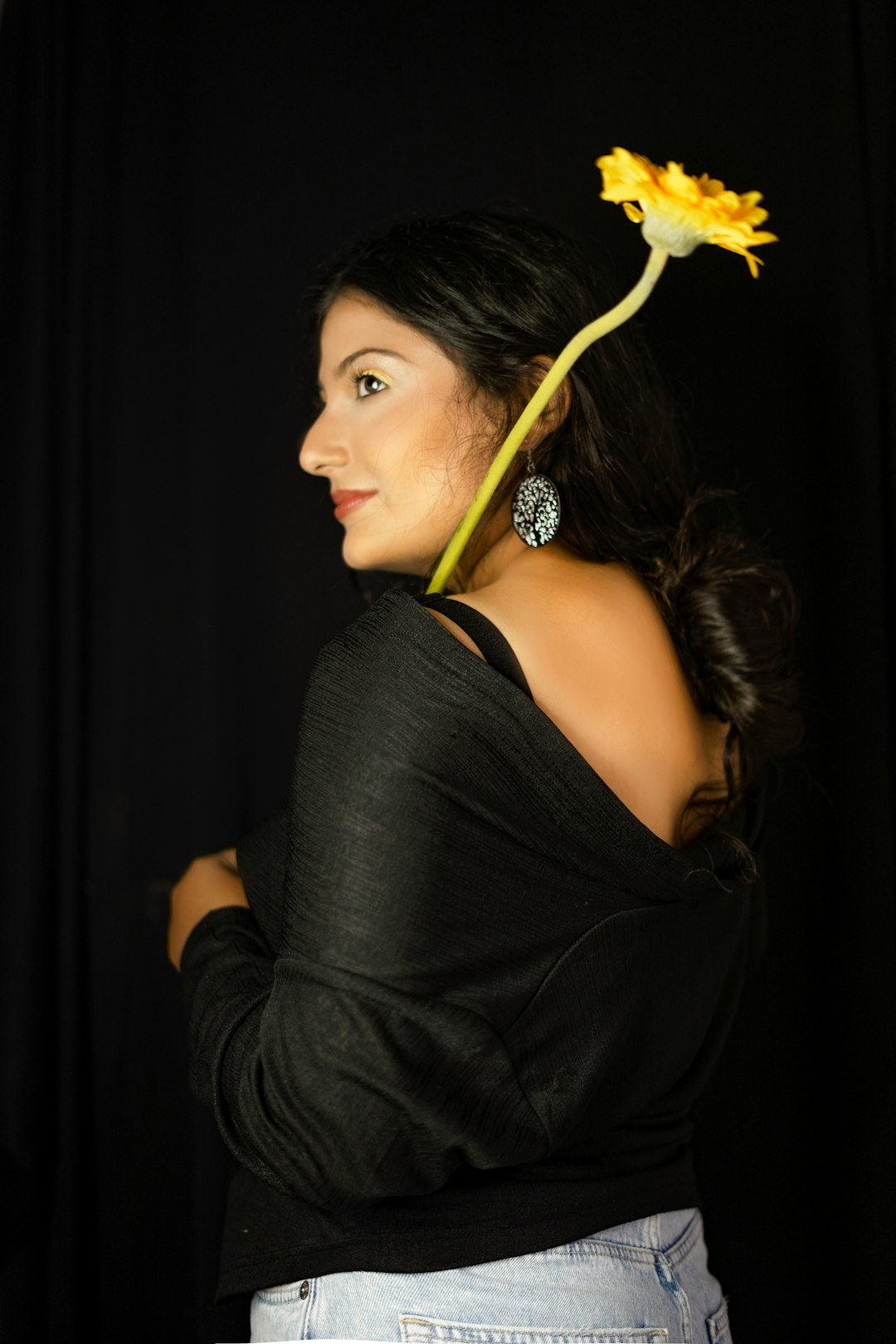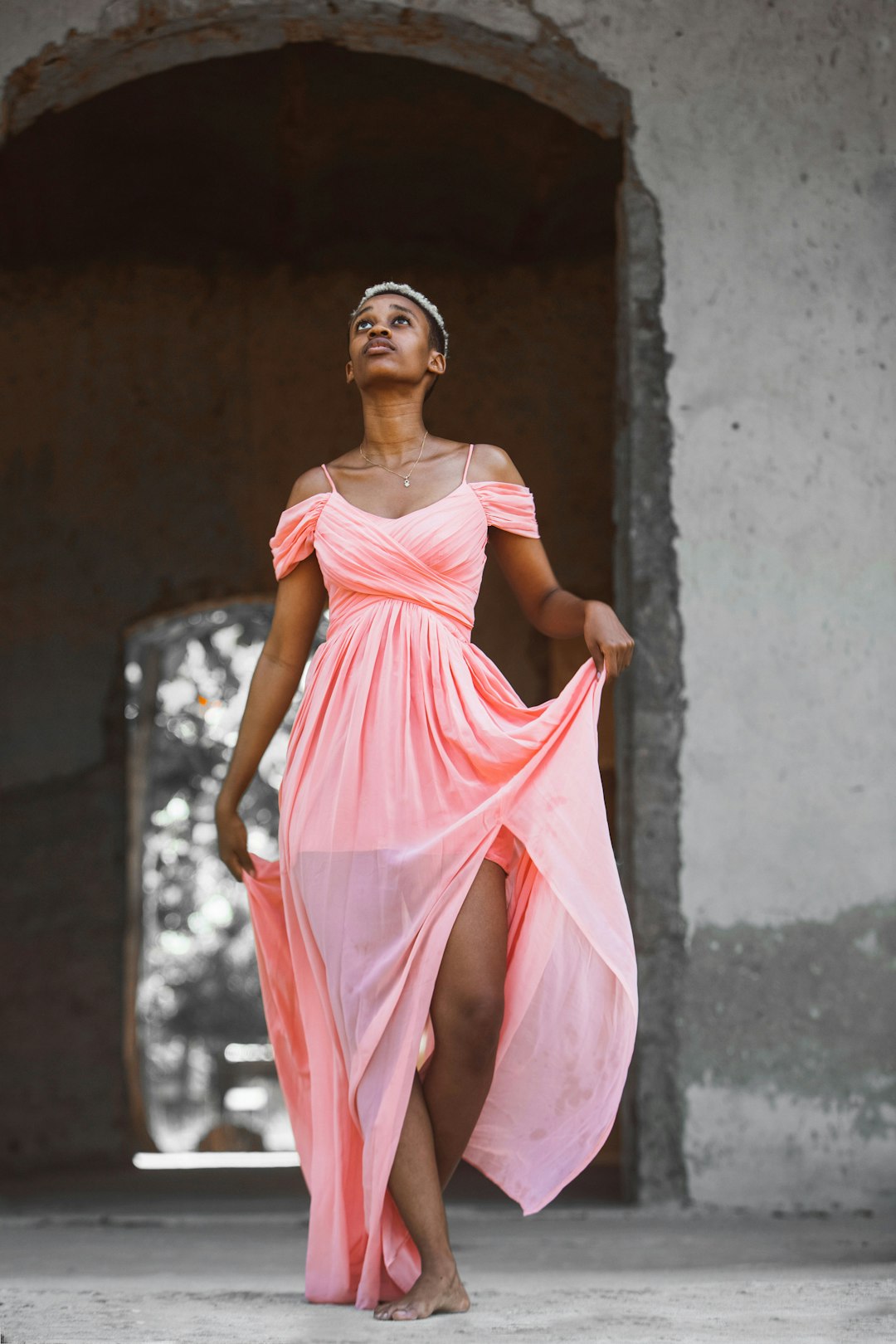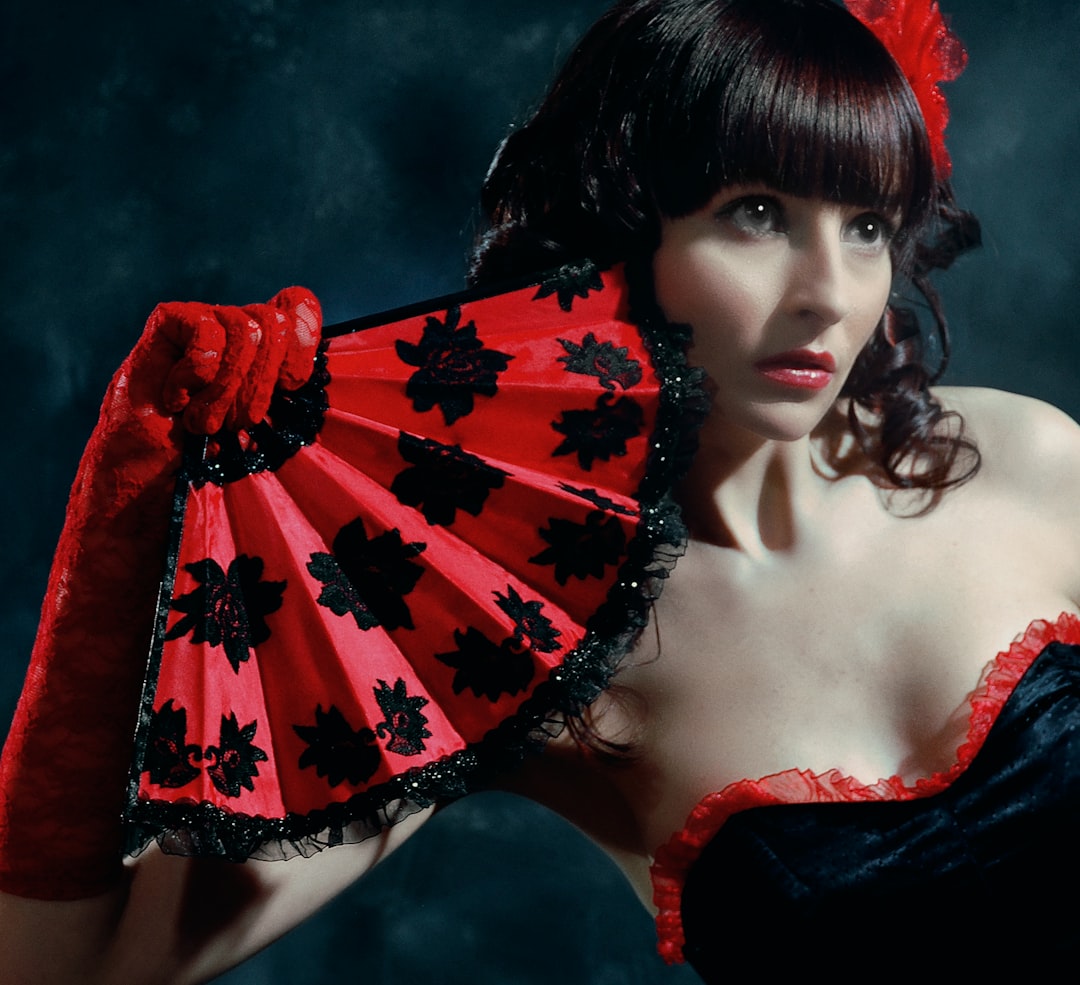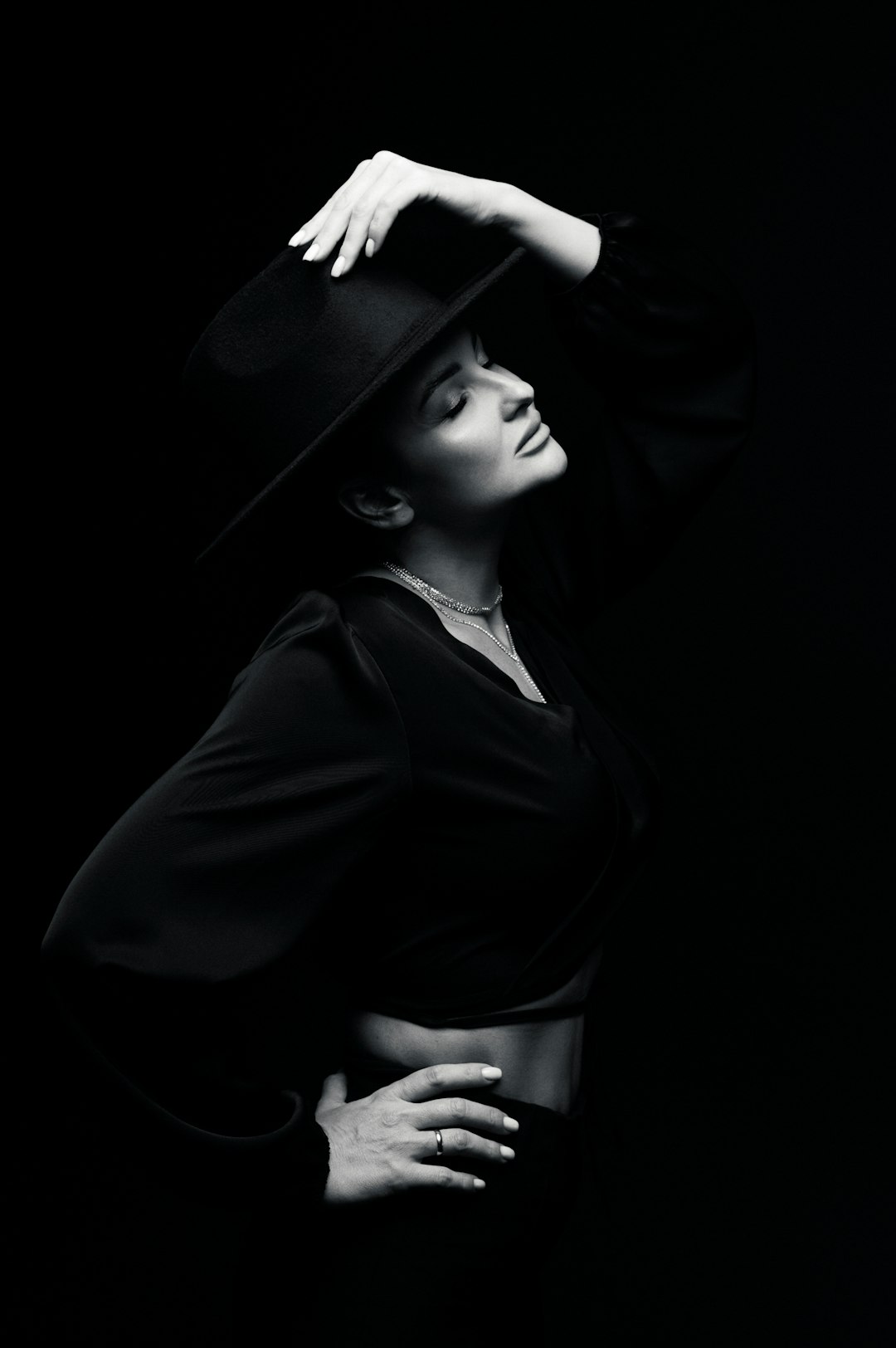
You have the shoes, the basic steps, and your first salsa social on the calendar. But standing in front of your closet, you freeze: What do people actually wear to these things? Whether you're stepping into your first beginner class or preparing for a spotlight performance, the right salsa outfit does more than look good—it works with your body through spins, dips, and three-hour dance marathons. This guide breaks down exactly what to wear, what to avoid, and how to build a salsa wardrobe that feels authentically you.
Understanding Salsa Dancewear
Salsa demands clothing that matches its intensity. Born in the clubs of 1960s New York and rooted in Afro-Cuban tradition, this dance fuses rapid footwork with fluid body movement, close partner connection, and explosive solo shines. Your outfit must handle 150+ beats per minute, close embrace with strangers, and the reality that you will sweat.
The best salsa dancers dress with intention. They know that restrictive clothing kills musicality, that the wrong shoes can end a night early, and that confidence on the floor starts with forgetting about your outfit entirely.
Key Elements of a Salsa Outfit
Comfort: Prioritize Movement-Friendly Fabrics
Salsa generates serious body heat. Look for moisture-wicking synthetics (polyester blends, nylon spandex) or natural fibers with stretch (bamboo, lightweight merino). Avoid 100% cotton—it soaks up sweat and stays damp—and steer clear of stiff fabrics like raw denim or structured linen that restrict hip movement. For skirts and dresses, test the stretch: can you lift your arms overhead and lunge without resistance?
Style: Dress for the Room, Not Just Yourself
Color choice carries weight on the salsa floor. Jewel tones (emerald, sapphire, ruby) photograph beautifully under club lights and complement most skin tones. Black hides sweat and pairs effortlessly, but can disappear in dim venues—add metallic accessories or strategic cutouts to catch light. For social dancing, avoid all-white (shows dirt quickly from floor contact) and reconsider neon shades that can wash out under warm-toned venue lighting.
Fit: Engineer for Dynamic Movement
"Fits well" means something specific in salsa. Tops should stay put through arm raises and torso isolations—test by reaching both arms overhead and twisting. Bottoms need to stay in place through rapid weight shifts; waistbands should sit securely without digging. For dresses and skirts, ensure hem length clears your calves when knees bend deeply. Build in "movement insurance": secure necklines with fashion tape, choose shorts or dance briefs under flowy skirts, and always verify that backless styles don't gap during forward bends.
Where You're Dancing Matters
| Setting | Typical Attire | Key Considerations |
|---|---|---|
| Beginner group class | Workout wear, casual separates | Freedom to make mistakes without wardrobe anxiety; layers for temperature changes |
| Social dance (milonga/practica) | Elevated casual to dressy | Breathability for sustained dancing; shoes that handle varied floor surfaces |
| Salsa club/night out | Statement pieces, full dress-up | Durability for crowded floors; accessories that won't catch on partners |
| Performance | Choreography-specific costumes | Maximum visual impact; quick-change capability if needed |
| Competition | Strict dress code adherence | Review regulations; invest in professional tailoring |
Popular Salsa Outfit Choices
Flowing Skirts
Circle skirts and handkerchief hems create stunning visual effects during spins and twirls. The fabric motion extends your movement vocabulary, making simple turns look virtuosic. Choose lightweight materials (chiffon, georgette, stretch mesh) that respond to air currents without weighing you down. For social dancing, ensure hem falls at or above mid-calf to avoid partner tripping hazards.
Crop Tops and Bralettes
These serve functional cooling during intense dance sessions, keeping your core temperature manageable through open body sections. High-waisted bottoms create versatile coverage ratios. For those less comfortable with midriff exposure, cropped mesh layers or cutout designs offer ventilation with more coverage.
Embellished Performance Wear
Sequins, beads, and fringe catch light and amplify every movement—ideal for performances where visual impact matters. For social dancing, limit embellishments to areas unlikely to contact partners (upper back, shoulders) and verify that decorations don't snag or scratch during close embrace.
Tailored Pants and Jumpsuits
Increasingly popular for leads and follows alike, stretch-fit pants in dance-specific cuts allow full range of motion without flash exposure. Wide-leg palazzo styles create elegant lines; fitted ankle pants showcase footwork. Jumpsuits solve the "top coming untucked" problem entirely but require strategic zipper placement for bathroom practicality.
Footwear: The Foundation of Every Outfit
S