It's 10 PM at a crowded salsa club. The humidity is climbing, your partner's hand is warm in yours, and your synthetic blouse is already clinging uncomfortably to your lower back. Across the floor, a woman spins effortlessly in a skirt that flares like a flame, her partner's fitted shirt staying exactly where it should. The difference? They dressed with intention.
Salsa demands clothing that works as hard as you do. Whether you're stepping into your first beginner class or preparing for your debut at a congress, here's how to build a wardrobe that moves with you—not against you.
The Non-Negotiables: Fit and Function
Fabric That Breathes
Salsa is cardiovascular. Within three songs, your heart rate climbs and your body temperature spikes. The wrong fabric turns your outfit into a sauna.
Reach for:
- Moisture-wicking synthetics (polyester-spandex blends, microfiber): Pull sweat away from skin, dry quickly
- Bamboo or modal: Naturally antimicrobial, softer than cotton, holds shape through spins
- Lightweight cotton-Lycra blends: For casual practice sessions; avoid 100% cotton which soaks up sweat and stays damp
Avoid:
- Heavy denim, stiff linens, or anything without stretch
- Fabrics that show sweat prominently (light gray, certain silks)
- Sequins or embellishments on the torso that can scratch partners
The Movement Test
Before buying, perform three checks in the fitting room: raise both arms overhead (does your shirt ride up?), execute a deep lunge (do your pants restrict?), and twist rapidly at the waist (does anything bunch or gap?). If you can't move freely, the piece fails—regardless of how it looks on the hanger.
Dress for Your Role
Salsa partnership has distinct movement vocabularies. Your clothing should reflect your primary role, though many dancers switch between leading and following.
For Followers
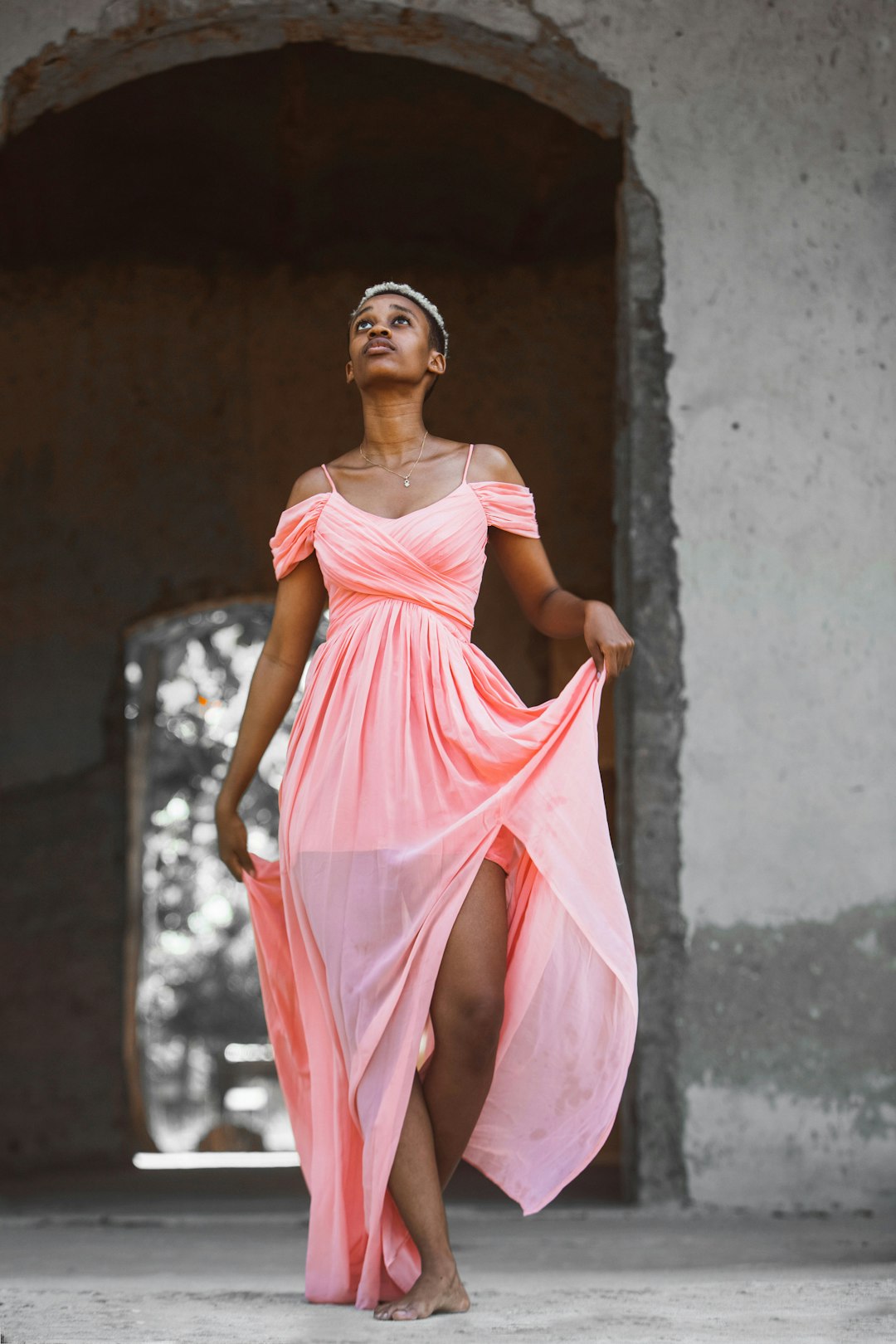
Skirts with physics: Circle skirts, handkerchief hemlines, and ruffled designs amplify motion. When you spin, the fabric should flare outward—it's part of the visual language. Aim for lengths between mid-thigh and just below the knee; anything longer risks tangling in heels.
Secure everything: Dips, drops, and quick direction changes mean gravity becomes unpredictable. Test necklines by bending forward; if you see cleavage in the mirror, your partner will too. Consider built-in shelf bras or dance-specific undergarments that stay put through rotation.
Strategic skin: Backless designs and cutouts look stunning but consider your partner's grip. A sweaty back in a partner's hand requires different handling than fabric.
For Leaders
Fitted, not tight: Your frame guides the partnership. Billowing shirts create visual noise and can slap your partner's face during turns. Look for slim-cut button-downs, fitted polos, or dance-specific tops with subtle stretch through the shoulders.
Thigh room for Cuban motion: The hip action that drives salsa requires pants with enough rise and thigh circumference. Test by standing with feet shoulder-width apart and shifting weight rapidly side-to-side. Pinching at the inner thigh means insufficient cut.
Color, Light, and Context
Salsa's visual impact depends heavily on environment. A color that pops under fluorescents may disappear under ballroom chandeliers.
Venue lighting matters:
- Warm-toned ballroom lights: Jewel tones (emerald, sapphire, ruby) photograph and perform better than pastels
- Latin clubs with black lights: White and neon fabrics glow dramatically; this can be striking or overwhelming depending on your preference
- Dimly lit socials: High-contrast combinations (black and white, navy and gold) maintain visibility when pure colors blur together
Partnership coordination: At formal events, some couples coordinate palettes. This isn't required for social dancing but can create memorable visual unity for performances.
Skin tone considerations: Warm undertones glow in coral, amber, and olive; cool undertones shine in fuchsia, teal, and true red. When in doubt, hold fabric near your face in natural light—if your eyes brighten and shadows soften, you've found your shade.
The Shoe Decision: Your Most Critical Investment
Footwear separates dancers who last all night from those who leave early with blisters or twisted ankles.
For Women
Heel height progression:
- Beginners: 2–2.5 inches maximum; your center of gravity is still adjusting to partner work
- Intermediate/Advanced: 3 inches for social dancing; 3.5+ for performances where line extension matters
- Flared vs. slim heels: Flared provides stability for learning; slim allows tighter footwork but demands stronger ankles
Essential features: Ankle straps (not slingbacks) for security during spins;