Your first salsa social is Friday. You've mastered the basic step—but your closet holds only office slacks and gym shorts. The right outfit doesn't just prevent wardrobe malfunctions; it signals to partners that you understand the culture. Here's how to dress like you belong.
Start With Where You're Dancing
Salsa happens in dramatically different environments, and your outfit should match the venue as much as the dance style.
Cuban salsa (Casino) thrives in spontaneous, social settings—rooftops, street festivals, and casual clubs. Think breathable linens, relaxed fits, and shoes comfortable enough to walk between venues. The vibe is playful and communal, not performance-driven.
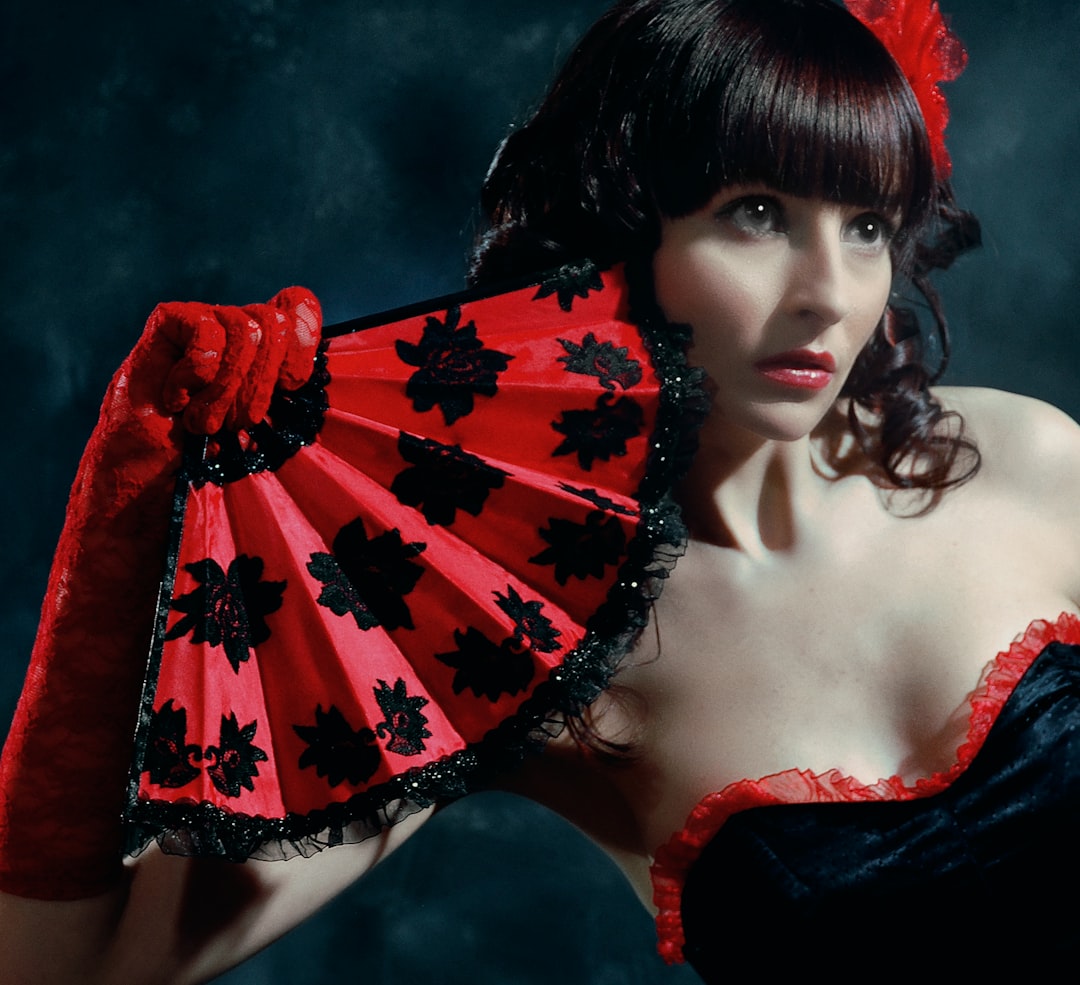
LA-style and ballroom salsa demands more polish. Form-fitting silhouettes, dramatic cutouts, and stage-appropriate makeup dominate the floor. These are spaces where dancers perform as much as socialize.
New York-style (Mambo on 2) splits the difference—sharp, tailored looks that move well but photograph beautifully under club lights.
Before choosing fabric or color, check your venue's website or social media. A humid outdoor social in Miami requires entirely different preparation than an air-conditioned congress ballroom in San Francisco.
Prioritize Movement and Sweat Management
Salsa dancing generates serious body heat. You'll rotate through partners, execute quick directional changes, and spend hours in close physical proximity. Comfort isn't about looking casual—it's about functional design.
Fabric selection matters more than brand names. Moisture-wicking synthetics or lightweight cotton blends prevent visible sweat marks during close partner work. Avoid heavy denim, stiff polyester, or anything that doesn't recover its shape after stretching.
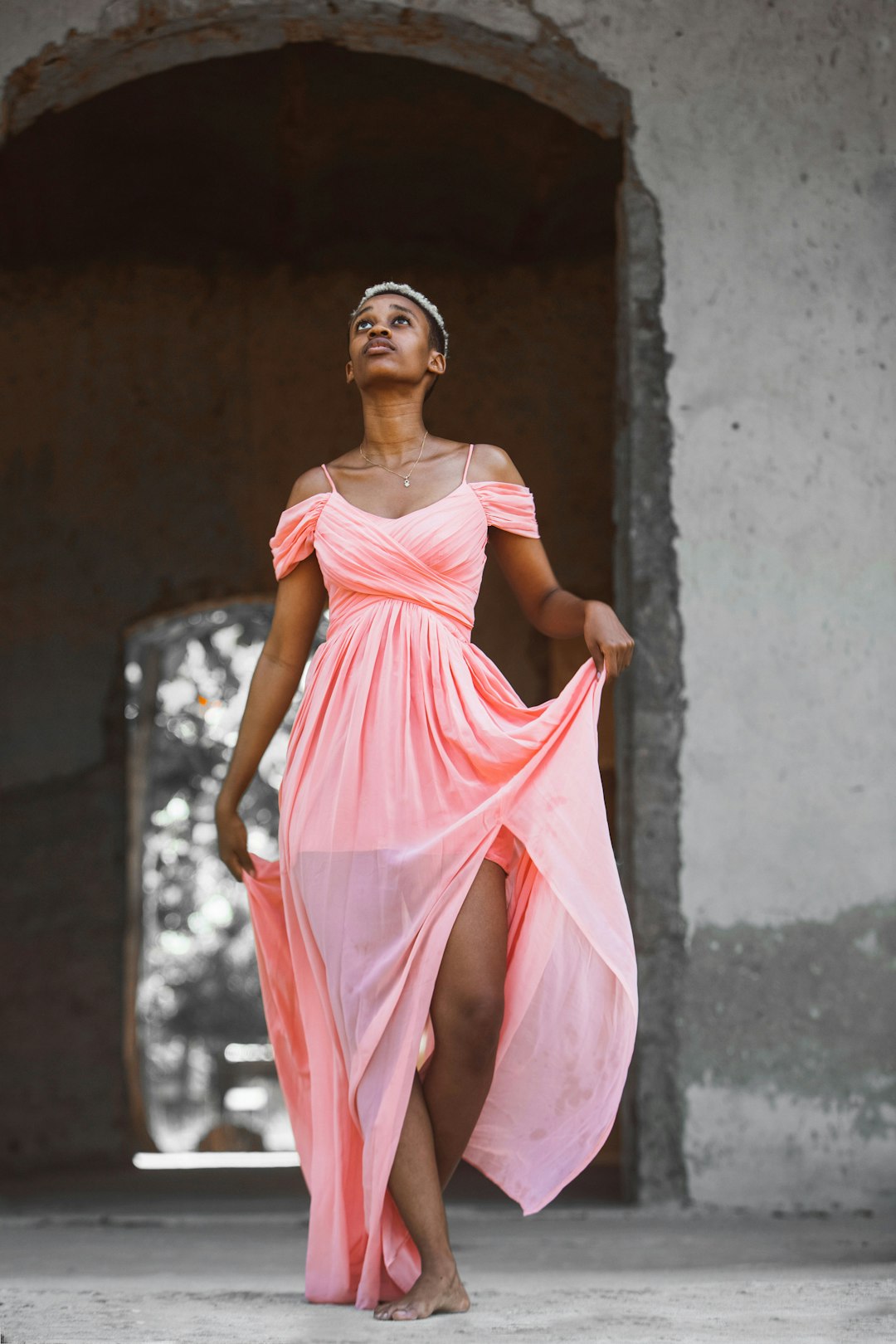
For follows: Test your outfit's range of motion before leaving home. Raise both arms overhead, execute a full spin, and bend forward at the waist. If anything rides up, gaps, or requires adjustment, it will fail on the dance floor.
For leads: Your frame depends on unrestricted shoulder movement. Structured jackets work for showcases; for social dancing, choose stretch-weave button-downs or fitted tees that won't bunch when you lift your partner's hand.
Temperature strategy: Venues fluctuate. Dancing generates heat; sitting between songs cools you rapidly. Bring a lightweight wrap or unstructured blazer for breaks—especially important in aggressively air-conditioned ballrooms.
Color, Pattern, and Lighting Reality
Solid colors serve beginners well, but not for the reasons you might expect. Under rotating dance floor lights, busy patterns blur and distort on camera. A deep jewel tone (emerald, sapphire, burgundy) photographs consistently and complements most skin tones.
Advanced considerations:
- Dark colors conceal sweat but can disappear under dim lighting
- Metallics and sequins amplify your movement visually—excellent for performances, potentially distracting for social dancing
- High-contrast combinations (black and white, navy and silver) create striking lines that emphasize your technique
Test your outfit under warm, cool, and flashing light conditions if possible. What reads as "vibrant" in daylight may look muddy under club LEDs.
Shoes: Your Most Critical Investment
Incorrect footwear causes injury. Full stop.
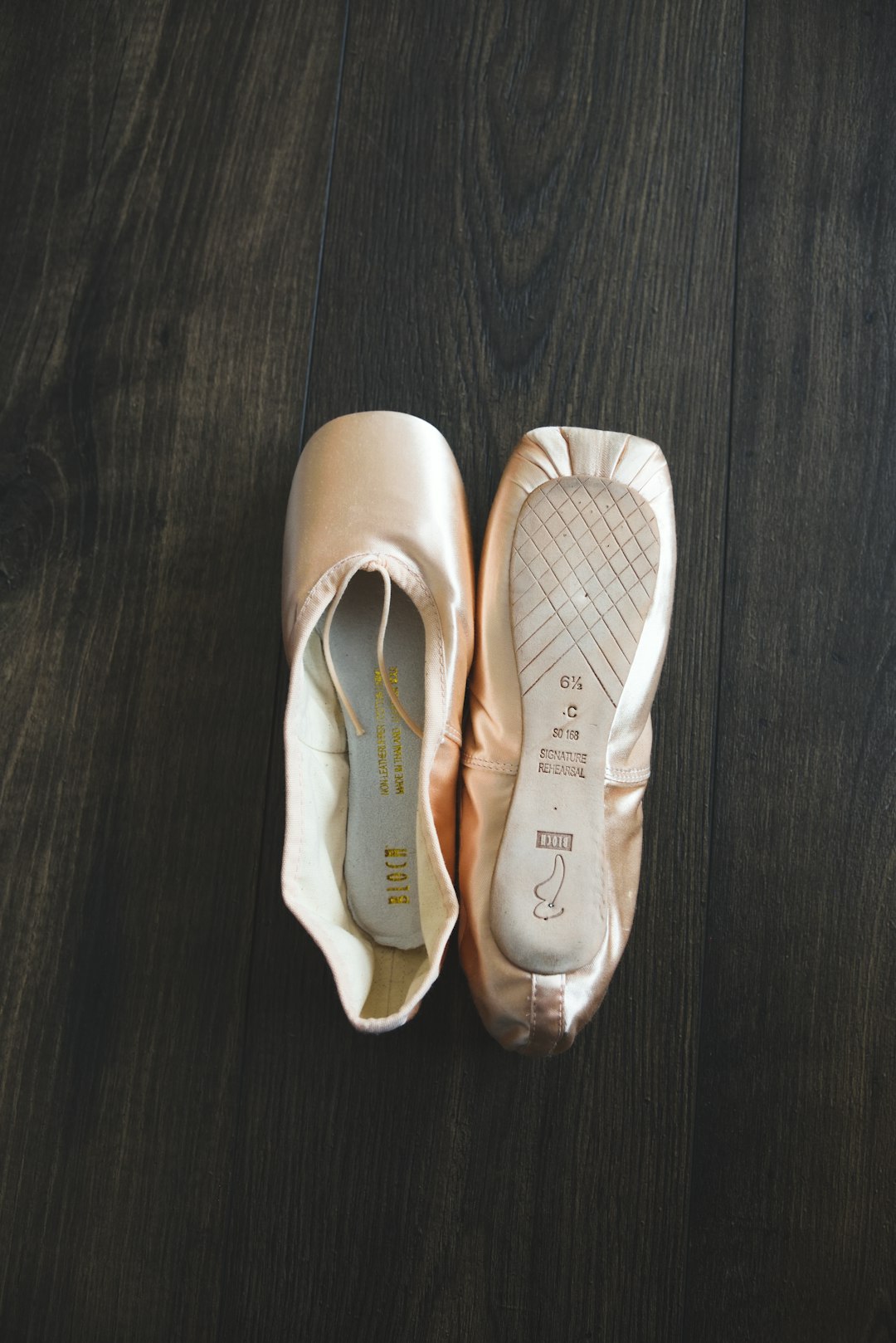
For follows: Heels between 2–3 inches with flared or slim heels provide stability without sacrificing line. The heel should be positioned directly under your body's center of gravity, not shifted forward like street heels. Beginners often benefit from starting in dance flats and graduating to heels as ankle strength develops.
For leads: Flat, flexible soles with controlled grip. Suede-bottomed shoes offer the ideal balance—enough glide for pivots, enough friction for sudden stops. Never wear rubber-soled street shoes; excessive grip transfers torque to your knees and hips.
Universal rules: Try shoes on in late afternoon when feet are slightly swollen. Walk, pivot, and balance on one foot before purchasing. Break them in at home, not on the dance floor.
Accessories: Restraint and Function
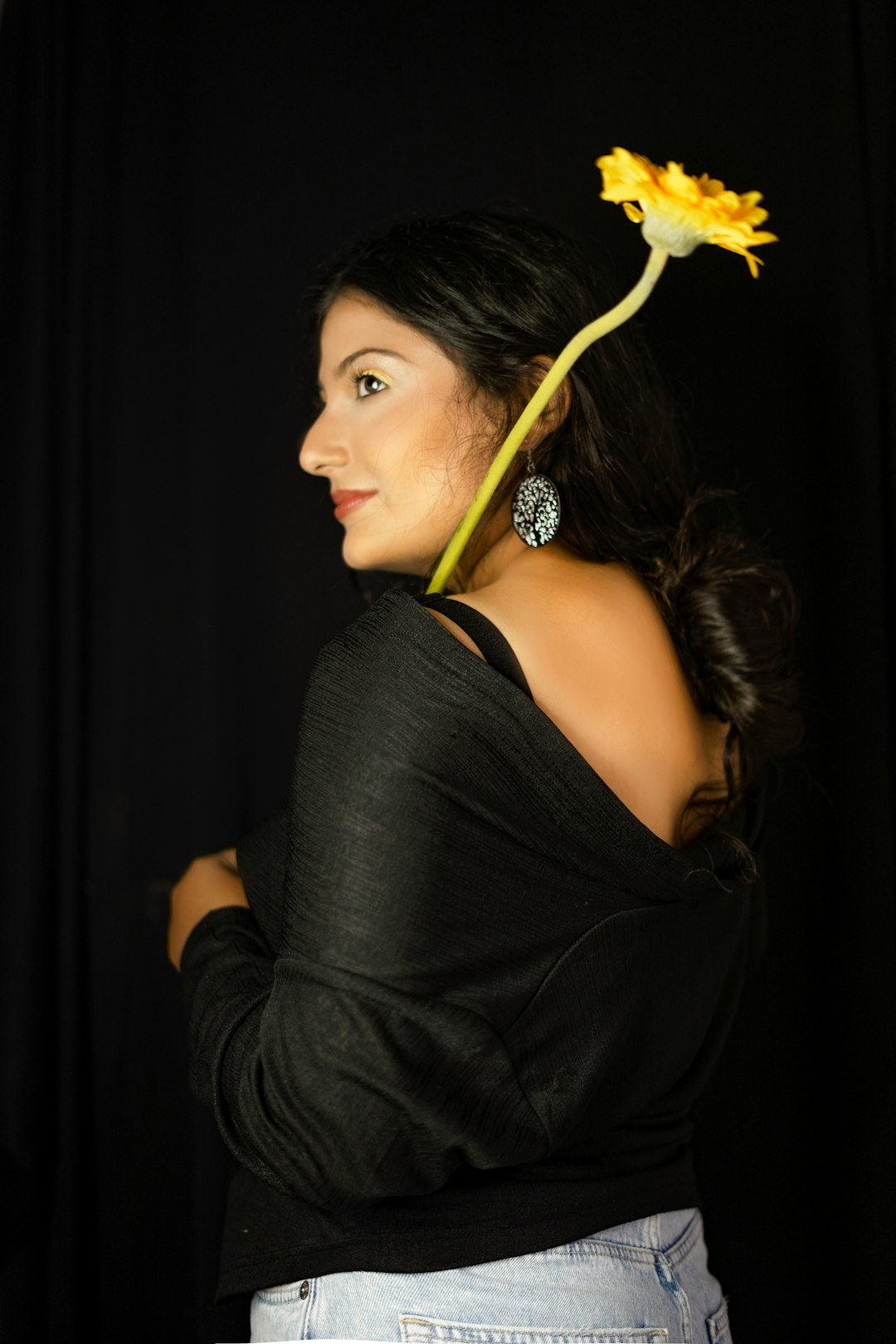
One statement piece outperforms layered competing elements. A metallic belt that catches light during spins. Handcrafted earrings that frame your face without swinging into your partner's space. A single bold ring that reminds you to extend your fingers.
Eliminate before dancing: Dangling necklaces that tangle in partner's buttons, bracelets that slide and clatter, rings with protruding stones that scratch hands. If you wouldn't sleep in it comfortably, don't dance in it.
Your First Social: A Complete Outfit
Rather than abstract principles, here's a tested starting point:
For follows: Black dance pants with four-way stretch, a jewel-tone wrap top, and practice shoes with suede soles. Add one metallic accessory—a belt, earrings, or hair piece—once you've verified the outfit moves correctly through a full song.
For leads: Dark fitted trousers with hidden stretch, a moisture-wicking button-down in a saturated color, and flat dance shoes. Roll sleeves to forearm; it signals readiness to dance