You've just signed up for your first square dance. The caller's voice echoes through the hall, couples promenade to the fiddle's rhythm, and you suddenly realize—you have no idea what to wear. Should you invest in boots? A bolo tie? That fringed vest you've seen in movies?
Breathe easy. You probably own most of what you need already. Here's how to assemble an outfit that moves with you, keeps you safe, and won't leave you overdressed—or underdressed—at your first hoedown.
Square Dance Dress Codes Aren't What You Think
Forget the Hollywood stereotype of head-to-toe western wear. Modern square dance clubs span a wide spectrum of formality, and showing up in full cowboy regalia to a casual community dance can feel as awkward as wearing a tuxedo to a backyard barbecue.
Most clubs operate on a three-tier system:
| Level | What to Expect | Typical Attire |
|---|---|---|
| Casual/Street Clothes | Community center events, beginner lessons, outdoor festivals | Clean, comfortable everyday clothing |
| Proper Attire | Club dances, special events | Collared shirts, skirts or dress pants; "western flair" encouraged but not required |
| Traditional/Full Dress | National conventions, exhibition teams, anniversary dances | Matching western outfits, petticoats, cowboy boots, elaborate accessories |
Your move: Contact your local club or check the event listing. Phrases like "western wear optional" or "proper attire appreciated" signal expectations. When in doubt, aim for the middle tier—it's easier to dress down a slightly formal outfit than to recover from underdressing.
Footwear: Your Non-Negotiable Foundation
Square dancing combines rapid pivots, sliding steps, and sudden weight shifts. Your shoes can make the difference between a joyful evening and a sprained ankle.
What works:
- Sneakers with non-marking soles — versatile, affordable, and widely accepted
- Leather-soled dance shoes — allow controlled slides on wooden floors
- Low-heeled character shoes — popular among experienced women dancers for stability
What to avoid:
- High heels (instability during spins)
- Open-toe sandals (crushed toes in crowded squares)
- Thick rubber soles that grip too aggressively (knee strain from stuck pivots)
- Brand-new stiff leather (blisters guaranteed)
Pro tip: Test your shoes on a smooth floor at home. You should be able to execute a controlled slide without sticking or skating uncontrollably.
Building Your Outfit: Movement-First Principles
The golden rule: if you can't perform a jumping jack, a deep squat, and a rapid spin without restriction or exposure, reconsider your choices.
Tops
Choose breathable, moisture-wicking fabrics. Cotton and cotton blends dominate for good reason—they handle perspiration without the cling of synthetics. Avoid rayon and polyester blends that generate static electricity (awkward in close partner holds) and trap heat.
Test before you leave: Raise both arms overhead. If your shirt lifts past your midriff, choose a longer cut or tuck it in.
Bottoms
Men: Button-down or polo shirts with khakis or dark jeans work universally. Avoid stiff new denim that restricts leg lifts. If wearing a belt, ensure the buckle lies flat and won't dig into partners during swings.
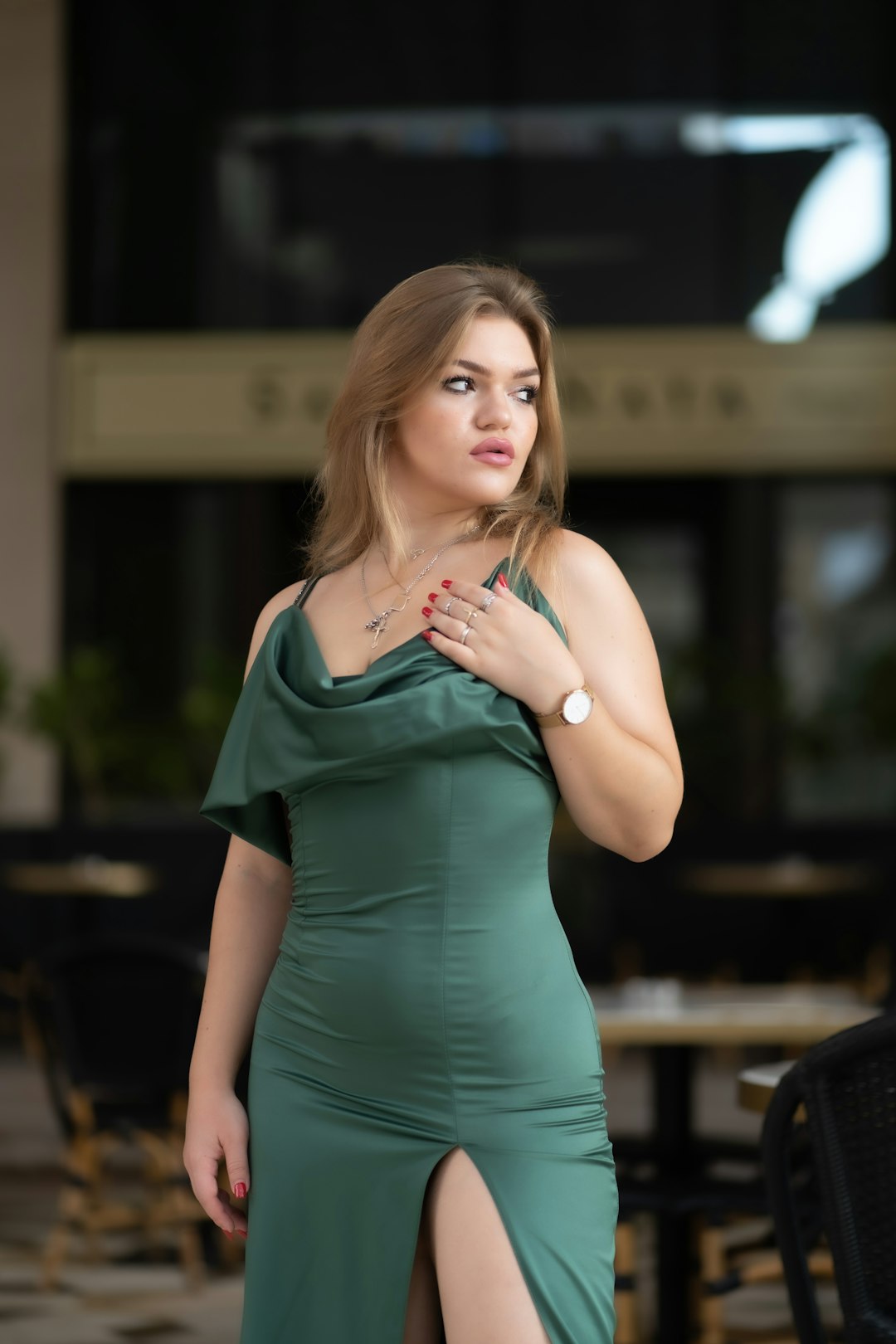
Women: A blouse with an A-line or circle skirt allows airflow during spins; alternatively, knit dresses with modest hemlines (knee-length or longer) prevent wardrobe malfunctions during allemandes. Petticoats add traditional flair and prevent skirt collapse between legs, but they're optional for casual events.
Gender-neutral: Any breathable top with pants or a skirt offering full stride mobility. Many dancers prefer yoga pants or athletic joggers for practice sessions.
The Fit Check
Stand in front of a mirror and execute these moves:
- Arms raised overhead for 10 seconds
- Deep squat with heels flat
- Rapid 360-degree spin
Anything that shifts uncomfortably, gaps, or restricts will only worsen during an energetic dance.
Accessories: Less Is More on the Dance Floor
That statement necklace looks stunning in your mirror. It becomes a liability when it catches on your corner's shirt button during a promenade.
Safe choices:
- Stud earrings or small hoops
- Short necklaces that rest at collarbone level or higher
- Flat wedding bands (raised stones can scratch partners)
- Wristwatches with flexible bands
Leave at home:
- Dangling earrings (neck and face contact is routine in square dancing)
- Long necklaces or lanyards
- Bulky rings or bracelets
- Hair clips without secure fasteners (becomes airborne during spins)
Hair management: Shoulder-length or longer hair should be secured. A swinging pony