---
More Than Just Clothes
The first time I saw a flamenco dress flare out on stage, I forgot to breathe.
It wasn't the footwork that stopped me — though that was incredible. It wasn't even the singer. It was the way the fabric moved like it had its own heartbeat, matching every emotion the dancer poured into the stage. That moment changed how I understood flamenco entirely.
This isn't a dance where you throw on any outfit and hope for the best. Your clothes are part of the performance. They're not decorations — they're an extension of your body, your story, your intensity. When you walk onto that stage in the right outfit, something shifts. The audience feels it before you even take your first step.
The Heart of the Outfit: Your Dress
Every flamenco wardrobe starts with one piece: the boda, or dress.
Think of it as the foundation everything else builds on. A good flamenco dress flows when you move and stops when you stop — it's responsive in a way regular clothes simply aren't. The best ones are made from silk, satin, or brocade, materials that catch the stage light and make you look like you're made of something extraordinary.
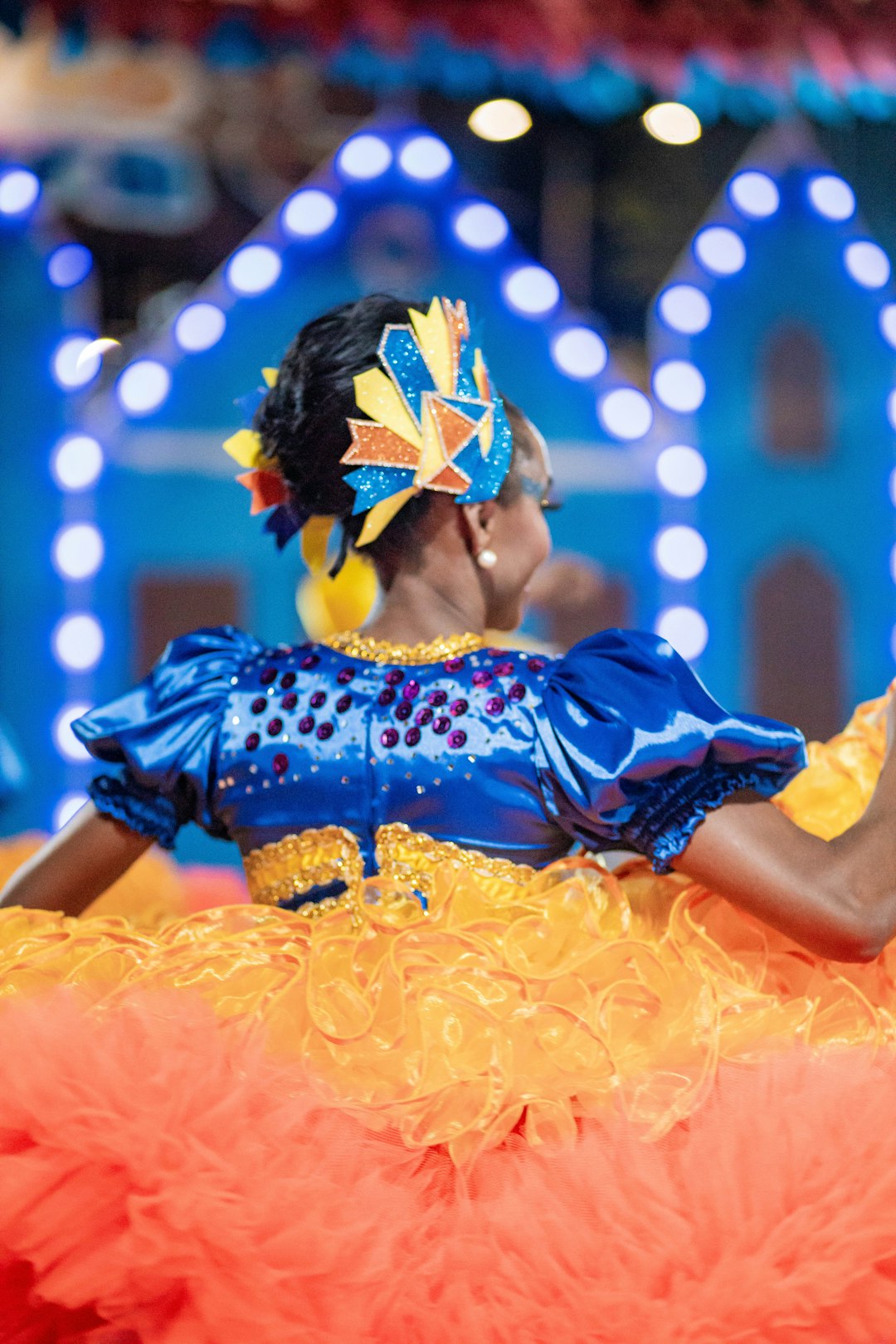
Here's what most beginners don't realize: the dress is designed to flare. When you turn, when you stamp, when you let go of all that energy — the fabric expands with you. That's not an accident. That's engineering. The ruffles and layers are positioned to create movement even when you're standing still.
And the colors! Forget subtle. Flamenco is about intensity. Deep reds, bold blacks, passionate oranges — these aren't just pretty choices, they're emotional statements. A deep red says "I have something to tell you." A black dress says "Watch me make this silence scream." Choose based on what you want your audience to feel.
Underneath It All: The Skirt
The enaguas — the underskirt — is where the volume comes from.
These aren't fashion statements. They're functional pieces that transform your silhouette. Made from tulle or organza, they create that full, dramatic shape when you move. Without them, your outfit falls flat. With them, you become impossible to ignore.
The trick is layering. Multiple thin layers move better than one thick layer — they catch air differently, creating more dramatic movement. Think of it like how a flag ripples in wind versus how a plastic bag just flaps. The more surfaces, the more beautiful the motion.
Wear what works for your body. If you're doing a more restrained, traditional style, you might want more volume. If you're dancing contemporary flamenco, you might prefer less fabric and more freedom.
The Upper Body: Your Blouse
The chaqueta — your fitted blouse — completes the silhouette.
This isn't the place to get experimental. Fit matters here. You need something that moves with your arms, that doesn't restrict your shoulder work, because half of flamenco is in your upper body. The moment your blouse fights your movement, your audience feels it.
Matching fabric to your dress isn't required, but it creates a put-together look that's harder to achieve when mixing different textures. Embroidery and embellishments draw eyes to your upper body — use that strategically.
The Foundation: Your Shoes
Zapatos — flamenco shoes — are arguably the most important piece of your wardrobe.
These aren't decorative. They're instruments. Built from leather with low, stable heels, they're designed for the percussive footwork that defines the dance. The leather molds to your feet over time, becoming more comfortable with every wear.
The color matters more than people think. Black shoes ground you visually. Matching your shoes to your dress creates a long, elegant line that makes you look taller and more intentional. Both are valid choices — decide based on your overall look.
The Details That Complete You
Accessories in flamenco aren't optional — they're essential.
The fan (abanico) is the most iconic. It extends your arms, adds another voice to your storytelling, creates drama in ways your body alone can't. A well-timed fan opens can stop a room. Learn to use it as part of your body, not something you're holding.
Statement jewelry — big earrings, bold necklaces — catches stage light and draws faces upward. Without it, you can disappear understage lights. With it, you become the center of gravity.
Hair decorations — flowers, combs, ornate clips — add that finishing touch of tradition. They're small details, but they signal that you understand this art form's history.
Finding What Works for You
Here's what matters when you're choosing your outfit:
Movement first. Can you extend your arms fully? Can you bend without fighting fabric? Go through your whole dance in the outfit before you buy it. If something restricts you, walk away.
Match your energy. Bold colors work if you're doing bold dancing. Subdued tones work if your style is more intimate. Don't fight your natural movement — dress for it.
Invest in quality. This is one place where cheap shows. Bad fabric doesn't drape, doesn't move, falls apart. A few excellent pieces serve you better than a closet full of mediocrity.
The Truth About All of This
The right outfit won't make you a better dancer. Nothing can do that except practice, repetition, more practice, and then some more practice.
But the right outfit removes barriers between you and your audience. It amplifies what you're already expressing. It makes you feel like the most authentic version of yourself on that stage.
And when that happens? That's when the real flamenco happens.
Start with one piece that makes you feel powerful. Build from there. Your wardrobe, like your dancing, is a journey — not a destination.