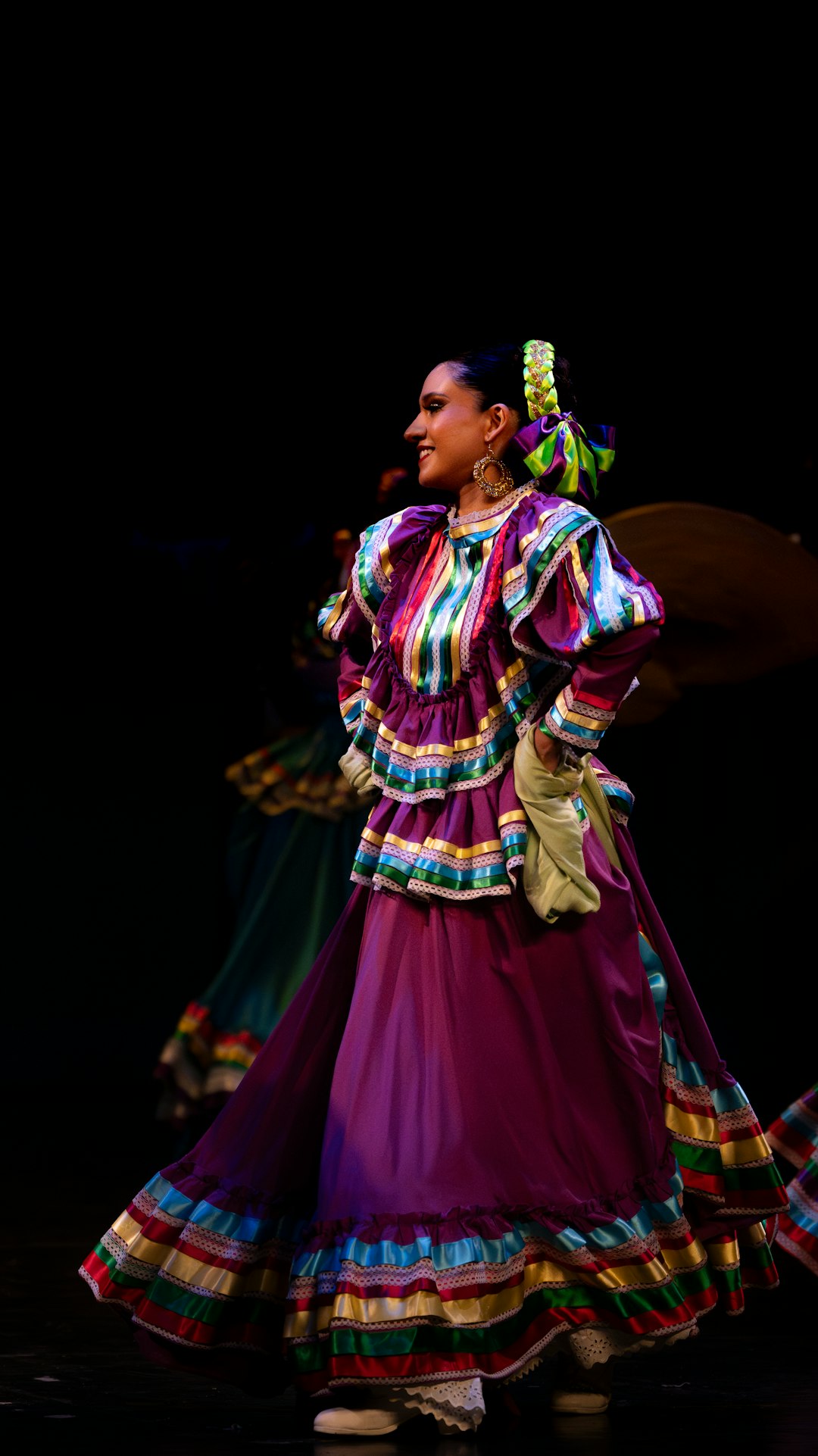
You arrive at your first milonga. The room glows amber. Couples embrace, barely moving, then explode into sweeping boleos. You realize your cocktail dress is wrong—too short, too slippery, too loud.
Tango demands more than memorized steps. Your clothing shapes every pivot, every close embrace, every breath shared with a stranger who becomes your partner for twelve minutes. Dress incorrectly, and you'll fight your outfit all night. Dress well, and you disappear into the dance itself.
Three Settings, Three Codes
Before opening your closet, know where you're going. Tango operates in distinct spaces with different expectations:
Milongas are formal social dances. Think elegance, tradition, and unspoken rules refined over decades in Buenos Aires.
Prácticas are practice sessions. Comfort trumps formality here—jeans and t-shirts appear, though dedicated dancers still prioritize movement-friendly clothing.
Performances demand theatrical flair. Sequins, dramatic silhouettes, and costumes designed for stage lighting replace social dance restraint.
This guide focuses on the milonga—the most common destination for dancers seeking authentic tango culture.
Universal Principles: The Physics of Tango Dress
Why Restriction Ruins Everything
Tango technique requires internal rotation of the hips, free leg extension, and sudden directional changes. Test any outfit with three movements before leaving home: a forward lunge, a pivot with leg wrap, and sitting to standing. If something pulls, rides up, or traps your leg, leave it behind.
The Close Embrace Factor
Tango's signature embrace places your face inches from your partner's. This intimacy creates non-negotiable boundaries:
- Scent: Unscented deodorant only. Your partner should smell your soap, not your perfume.
- Accessories: Dangling earrings become weapons. Necklaces tangle in shirt buttons. Remove or secure everything.
- Hair: Long hair requires secure containment—loose strands whip faces during turns.
Dress Code for Men
The Suit: Structure Without Constraint
The traditional milonga standard remains a well-fitted suit, but nuance matters enormously.
Fit is movement: Shoulder seams should sit precisely at your shoulder edge. Jacket length must cover your seat—short fashion cuts ride up during ochos. Trousers need enough break to cover your socks when seated, but not enough fabric to tangle your heels.
Fabric intelligence: Reject heavy tweeds and stiff canvases. Embrace tropical-weight wool (7-9 oz), lightweight cotton-linen blends, or high-quality viscose. These breathe without collapsing into wrinkles. Dark navy and charcoal read as sophisticated black alternatives that photograph better and show less lint.
The tango jacket: Some men invest in specialized dance jackets with stretch panels under the arms and back. These accommodate the embrace's forward posture without pulling across the shoulders.
Shirts and Details
Crisp white or pale blue shirts dominate traditional milongas. French cuffs with simple links elevate your presence; avoid anything that catches light or clicks against your partner. Skip pocket squares—they shift and distract.
Tango Shoes for Men: The Non-Negotiable
Your street shoes will betray you. Tango demands leather-soled shoes that glide across floorboards and release for pivots. Rubber grips, then releases too late, wrenching knees and ankles.
Options progress by commitment level:
- Entry: Leather-soled oxfords or loafers from your existing wardrobe, professionally resoled if necessary
- Dedicated: Specialized tango shoes with suede soles, cushioned insoles, and flexible construction
- Obsessed: Custom-fitted Buenos Aires imports with orthopedic support for marathon milongas
Black dominates. Brown works in summer or daytime events. Never suede uppers—they mark and age poorly.
Dress Code for Women
Dresses and Skirts: Movement Architecture
Length solves multiple problems simultaneously. Mid-calf to ankle-length hemlines allow leg extension without exposure, create elegant lines in motion, and protect you from cold venues. Pencil skirts fail entirely—fabric must flow and separate when legs move independently.
Fabric behavior: Silk charmeuse and slippery synthetics become dangerous partners, sliding against your legs unpredictably. Matte jerseys, stable crepe, and light wool knits respond to your body. Test by sitting cross-legged; if the skirt hikes to unacceptable heights or binds at the knee, reject it.
Volume control: Excess fabric transforms into hazards during close embrace. Avoid full circle skirts, excessive ruffles, or trains. Slight A-line or fitted sheaths with back slits permit the necessary leg separation for ochos and ganchos.
The Pants Option
Tailored tango pants—wide-leg, high-waisted, flowing—have earned respect in most milongas. They must be specifically designed