---
Picture this: You walk into a packed dance hall, live band ramping up, the energy already electric. You catch your reflection in the mirror and think, yeah, I look good. That's the outfit working for you before you even take the floor.
Now imagine the opposite. You're mid-tuck turn and your pants are slipping down. Your vintage brooch is spinning and almost takes out your follow. The room's 85 degrees and you're in a wool blazer you borrowed from your grandfather. That's an outfit working against you — and it'll cost you the dance.
The thing about Lindy Hop is that your clothes aren't just decoration. They're equipment. A good outfit amplifies your confidence, lets you move freely, and makes you feel like the character you've decided to play. A bad one becomes the whole problem you're solving instead of the dance itself.
So let's build you a wardrobe that actually works.
The Vibe Is Inevitable — But Don't Let It Cost You
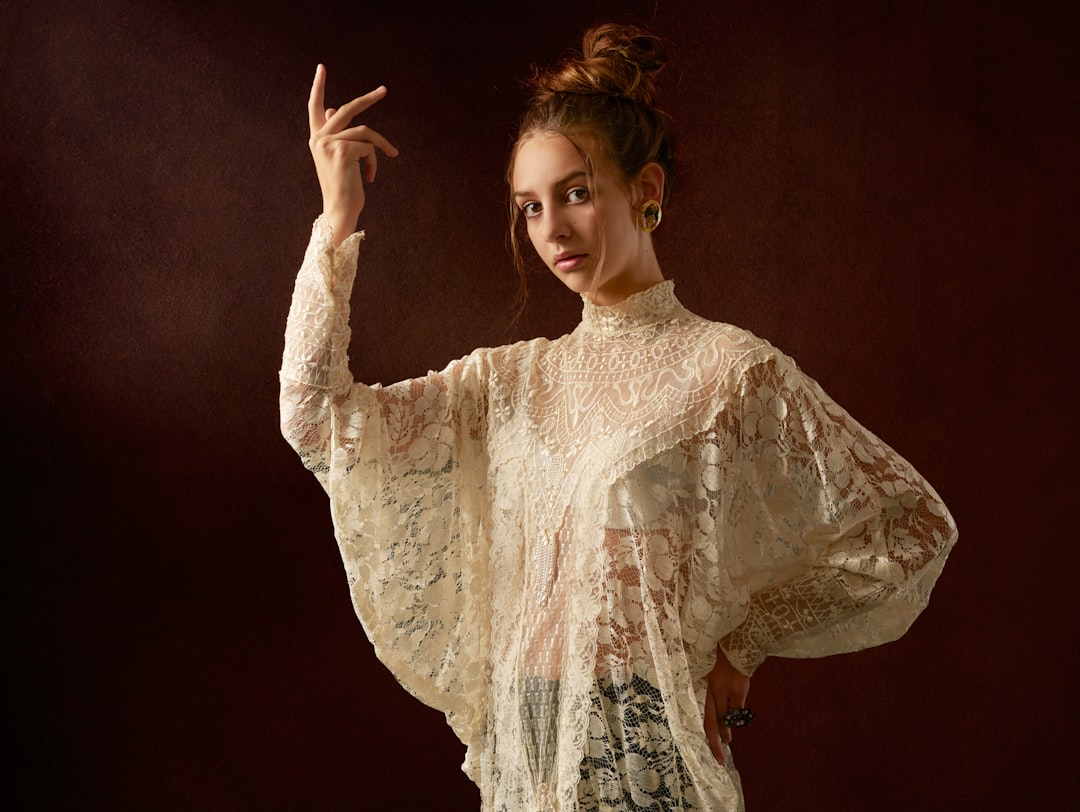
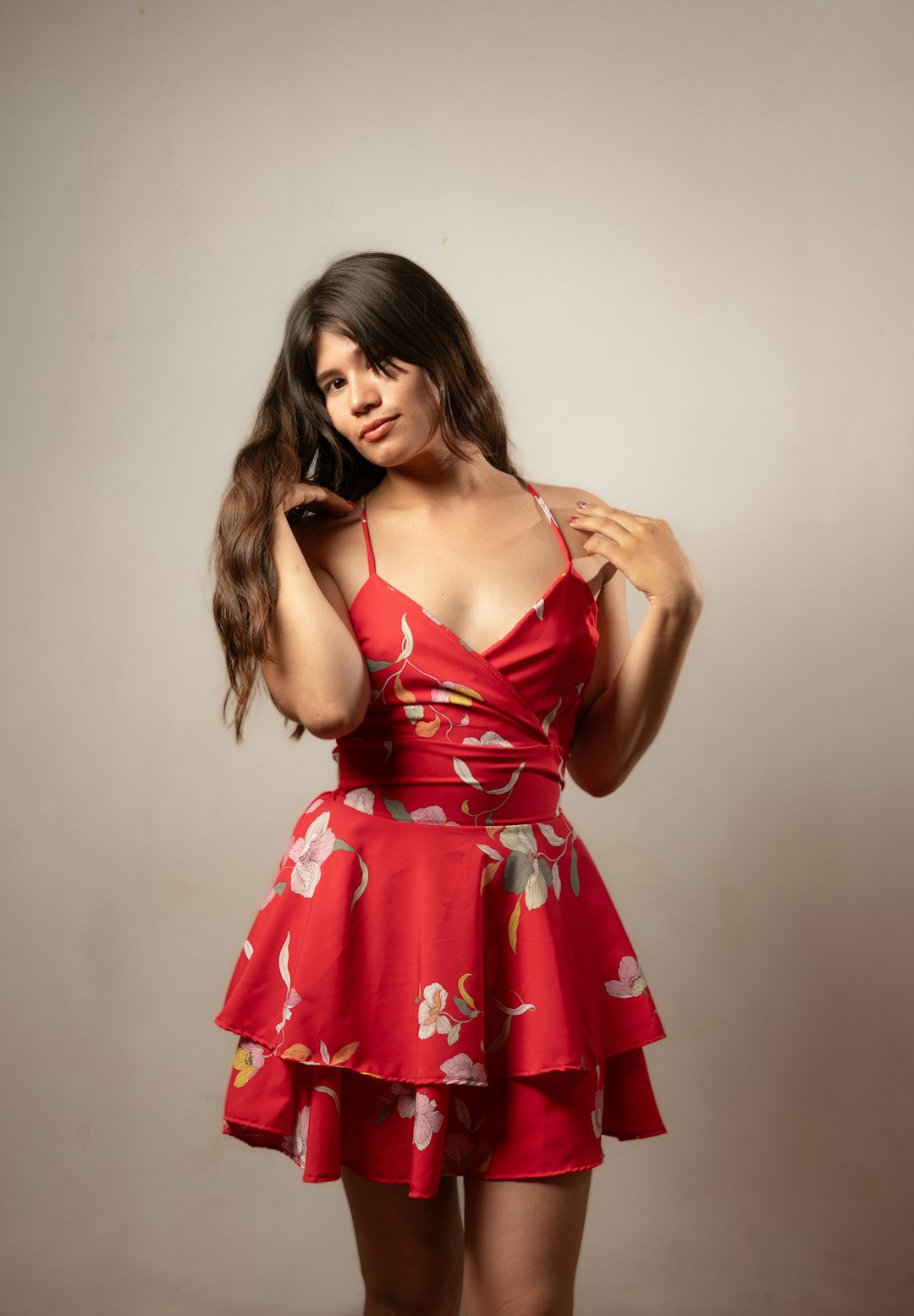
The 1920s and '30s are baked into Lindy Hop's DNA. A flutter sleeve dress, high-waisted wide leg pants, a fitted blazer — these aren't costumes; they're conversation. The scene loves a vintage reference, and honestly, half the magic of this dance is getting to dress like you're in a black-and-white film.
But here's the catch: the vintage stuff that looks greatest often moves the worst. That gorgeous 1940s button-down blouse? It's probably got restrictively tight armholes. Those authentic high-waisted pants? They might slip every time you kick your feet out.
Hit up thrift stores for authentic pieces, yes — but test everything for range of motion before you wear it out. Raise your arms. Do a swing out. Sit down and stand up. If any of that makes you wince or adjusts your plan to fast-tapdance through the whole night, keep browsing.
The goal is borrowing from the past without getting trapped in it.
Your First Consideration: Can You Actually Move?
Forget elegant. Forget "what looks cool." The first filter on any Lindy Hop outfit is raw function.
This is an athletic dance. You're spinning. You're dropping low. You're switching directions on a dime. You might be moving continuously for three hours between teaching, social dancing, a jam, and a live set your host brought in from another city. If your outfit fights any of that, you lose.
What works: natural fibers that breathe (cotton, linen, rayon). Anything with stretch woven in. Bottoms that stay up through dynamic movement without requiring constant adjustment.
What kills you: heavy wool in summer venues, anything too tight across the ribs or shoulders, jeans that bind when you kneel or crouch, long skirts you'll spend the whole night stepping on.
Pro tip: wear what you already know works to your first few dances. Figure out your baseline there, then experiment with style once you've nailed the function.
Shoes Make or Break Everything
I'll say it plainly: wrong shoes will ruin your night faster than anything else.
You need grip on the floor — not sliding, not catching, not "hoping for the best." Leather soles are the gold standard for social Lindy Hop: they slide smooth, they turn easily, they communicate with the floor beneath you. Suede soles work in a pinch and add a little brake if your floor is slick. Most dance shoe retailers offer both.
But not all leather soles are created equal. Brand-new street leather soles are dangerously slippery — they need breaking in. Buy a dedicated pair and beat them around your floor at home for a week before a social.
If you absolutely must wear sneakers, get a pair built for movement. Check the tread pattern. Test them sideways. Know that most running shoes will have you sticking to the floor and twisting an ankle when you pivot hard.
The final non-negotiable: they need to fit your foot securely. Anything that slips, slides, or lets your heel lift mid-step is doing too much harm to be worth the look.
Accessories That Earn Their Place
A hat can be magnetic. A well-placed brooch catches the light when you're driving the dance and makes you look like a star. Statement earrings draw eyes and mirror your enthusiasm.
The rule: if you can feel it, it's too much.
Heavy necklaces that flop and slap against your chest? They'll become your constant awareness. Long dangling earrings that wrap around your partner's arm in a turn? That's a story no one wants to explain. Bulky bangles that add a percussive element every time you frame? It's charming once and exhausting by the third song.
The dance floor is already the loudest place in the room. Let your accessories be subtle and functional, not a spectacle.
Dress for the Room You're Actually In
A 150-person winter workshop in a university gym has nothing in common with an August outdoor dance on a rooftop. Both are Lindy Hop, but you're dealing with totally different environments.
Hot rooms: breathe. Light layers you can peel off. Cotton that wicks. A headband that's more practical than stylish. Bring water and dress like you're going to sweat, because you are.
Cold rooms: layers that come on and off between dances. Leg warmers over those vintage trousers work. A scarf you can toss over your shoulders when you're not moving keeps you warm without bulk.
Nighttime outdoor venues bring their own problems: dew on the floor makes things slick, the chill kicks in when you stop moving. Plan for both states.
Reading the room matters as much as what you pack for it.
Let It Be Yours
The scene will give you a hundred hints about style. Vintage vibes, the colors people gravitate toward, who's in suits, who's in casual. These are references, not rules.
Your outfit in Lindy Hop is an extension of how you want to show up. The dance is an invitation to become a character, and what you wear is the costume. Maybe that's a polished 1930s gent. Maybe it's a modern dancer who just likes clean lines. Maybe it's a wild card in prints no one else is brave enough to try.
Wear what makes you feel like yourself — just make sure that self can actually move.
The Honest Truth About Confidence
Every piece of practical advice here matters less than one fact: you dance better when you feel good.
That doesn't mean expensive or "right." It means you looked in the mirror and didn't dread what you saw. It means your shirt isn't doing something distracting. It means you walked in already feeling ready, not hoping the right outfit would make you brave.
The clothes open the door. Everything else — the connection, the musicality, the joy — that's all you.
So find your fit, test your range, pick shoes that actually grip, and walk in like you own the floor. Because when you do, everyone else will feel it too.