---
The Moment That Changed Everything
I still remember the first time I walked into a tango milonga dressed like I was heading to a job interview. Button-up shirt, pressed trousers, the whole nine yards. The hostess looked me up and down, smiled politely, and said, "You look very professional. Do you dance professionally, too?"
I didn't. And my outfit proved it.
That night taught me something they don't teach in studios: what you wear to tango changes everything—not because you need to impress anyone, but because the wrong outfit will quietly sabotage your dancing while the right one lets you disappear into the music.
Why Tango Gets Weird About Clothes
Here's the thing about tango attire—it walks a strange line between "let me move freely" and "let me look like I know what I'm doing." Unlike ballet, where everyone wears the same uniform, or salsa, where the more sparkle the better, tango exists in this uncomfortable middle ground where tradition whispers in one ear and practicality tugs at the other.
The original tango dress code came from the dance halls of Buenos Aires in the early 1900s—places where men in sharp suits and women in flowing dresses moved together in rooms that weren't always warm, weren't always clean, and definitely weren't designed for dancing. That history matters, but it doesn't mean you need to dress like your great-grandfather to do the dance right.
The real secret? Your clothes should feel like a second skin. Nothing that makes you think. Nothing that pulls, rides up, or demands your attention mid-couple. If you'reAdjusting your waistband mid-dip, you've already lost the moment.
The Fabric That Saves You
Forget everything you think you know about "tango fabric." You don't need silk. You don't need satin. You need whatever lets you breathe when the pr编译器 kicks in and the room temperature inevitably rises three degrees.
For the women, here's what actually works: something with weight. A skirt with some substance moves differently than thin cotton—it follows your legs instead of flying away from you. That visual continuity matters when you're doing advanced steps and your partner needs to track your movement through fabric, not bare skin. Silk blends, heavy rayon, even a well-structured jersey—these catch light and respond to your body instead of fighting it.
For the men, that tailored suit you've been saving? Forget it. You need a shirt that moves when you move, trousers with enough give to crouch without splitting, and a fabric that handles sweat gracefully. Wool blends in summer or cotton in winter—nothing stiff, nothing that wrinkles the moment you sit down.
The rule is simple: if you wouldn't wear it to garden in, it's probably too formal. If you wouldn't wear it to garden in, it's too stiff. Find the middle ground.
Color Isn't Just Decoration
Here's something nobody talks about: the milonga's lighting will betray every color choice you make. That perfect navy dress? Under fluorescent tubes, it looks like a bruise. That black shirt that's so slimming? On a dark floor with dark walls, you vanish—your partner can't see you, the audience can't see you, and the photographer definitely can't see you.
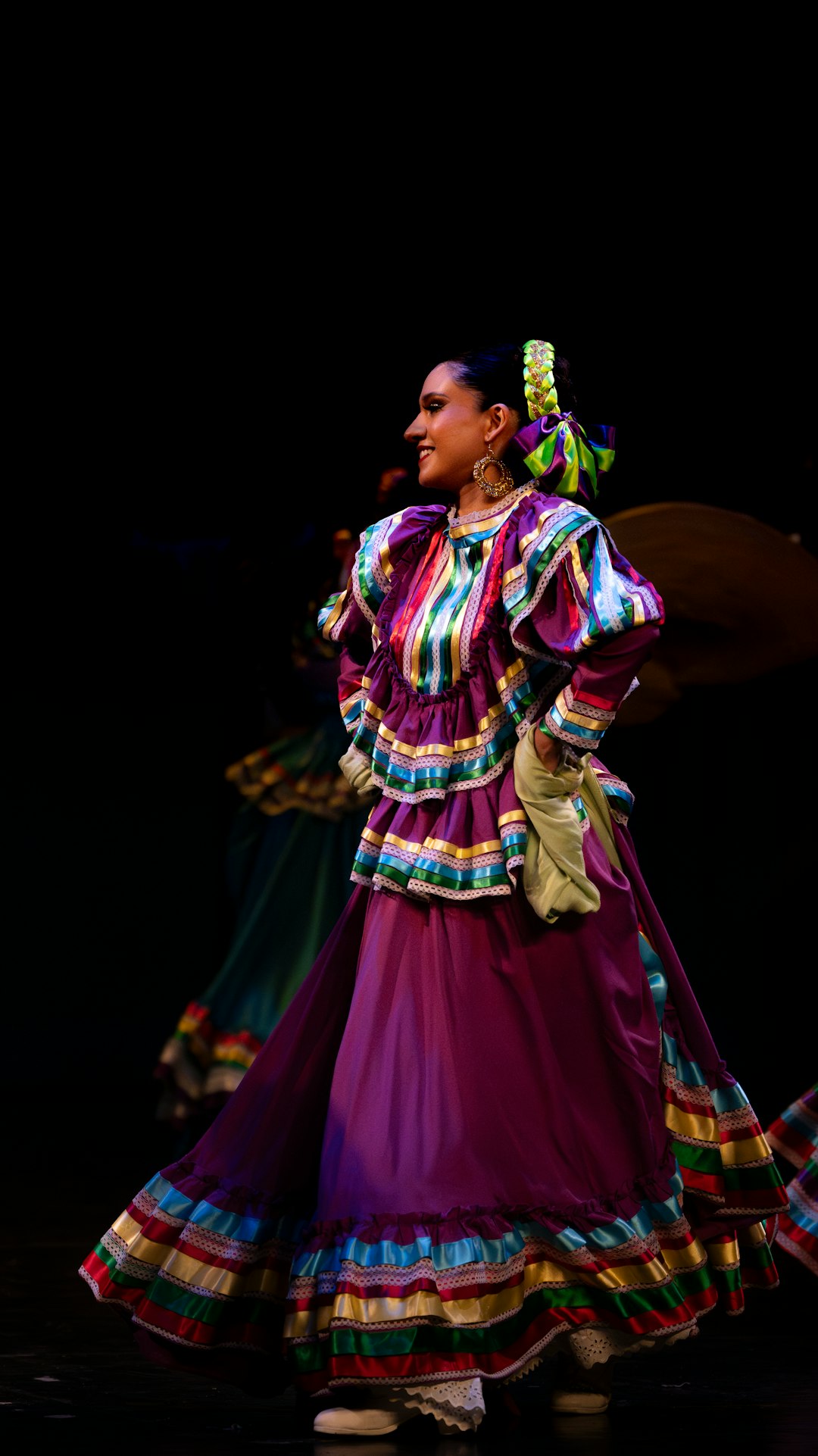
Think about where you're dancing before you pick what you're wearing. A studio with overhead lighting gets harsh—soft tones and pastels save you. An evening milonga with dim lamps and candles calls for richer colors, things that catch low light. A stage performance? Go brighter than feels natural. The stage eats color, so what feels loud in a mirror reads as perfect under stage lights.
And metallic? A little goes a long way. One accessory, one trim, one pair of earrings—metallic catches light like nothing else.
The Accessories That Actually Matter
Everyone fixates on shoes. I'll get there. But first—jewlery.
The right necklace or earrings draws the eye upward, creates visual connection when you're in closed position, and gives your partner something toaim for if they're leading by sight. Keep it simple. Nothing that swings when you turn, nothing that catches on fabric.
Now—shoes. Women, the heel debate never ends. Here's what matters: stability over height. A three-inch heel looks gorgeous and stays functional. Four inches looks incredible and betrays you around hour two. The classic tango heel has a wider base than a stiletto—use it. Break them in before the event. Nothing robs your confidence like new-shoe pain halfway through a tanda.
Men, your shoes need to slide. Suede soles in winter, leather in summer—and polished, always polished. You're on the floor, and people notice shoes. Not in a snobby way—in an "I can tell if you've been practicing" way.
Finding Your Own Tango Look
After all these rules, here's the most important one: wear what makes you feel like yourself.
The couple who pulls off tango best aren't wearing the most expensive clothes or the most traditional outfits. They're wearing things that let them forget about their body and disappear into the dance. I've seen women in simple wrap dresses and men in dark jeans absolutely demolish the floor because they felt comfortable, moved freely, and weren't thinking about their outfit once.
Confidence isn't something you buy. It's something you build when nothing on your body is telling you no.
---
The next time you get dressed for tango, think less about what looks correct and more about what lets you move. That shift alone will change your dancing before you even walk through the door.