Introduction
Are you ready to step onto the swing dance floor? With its infectious rhythms, playful partner connection, and living tradition of vintage fashion, swing dancing offers something rare in modern dance culture: function meets 1930s-40s flair. Unlike many contemporary dance forms where athletic wear dominates, swing carries a proud aesthetic heritage where dressing up is part of the experience.
But here's the challenge—your outfit needs to work as hard as you do. It must move with you through spins and turns, feel comfortable to a partner's touch, and respect the cultural context that makes swing dancing distinctive. This guide will help you navigate swing dance attire with confidence, whether you're headed to a casual social, your first Lindy Hop lesson, or a themed competition.
The Foundation: Footwear First
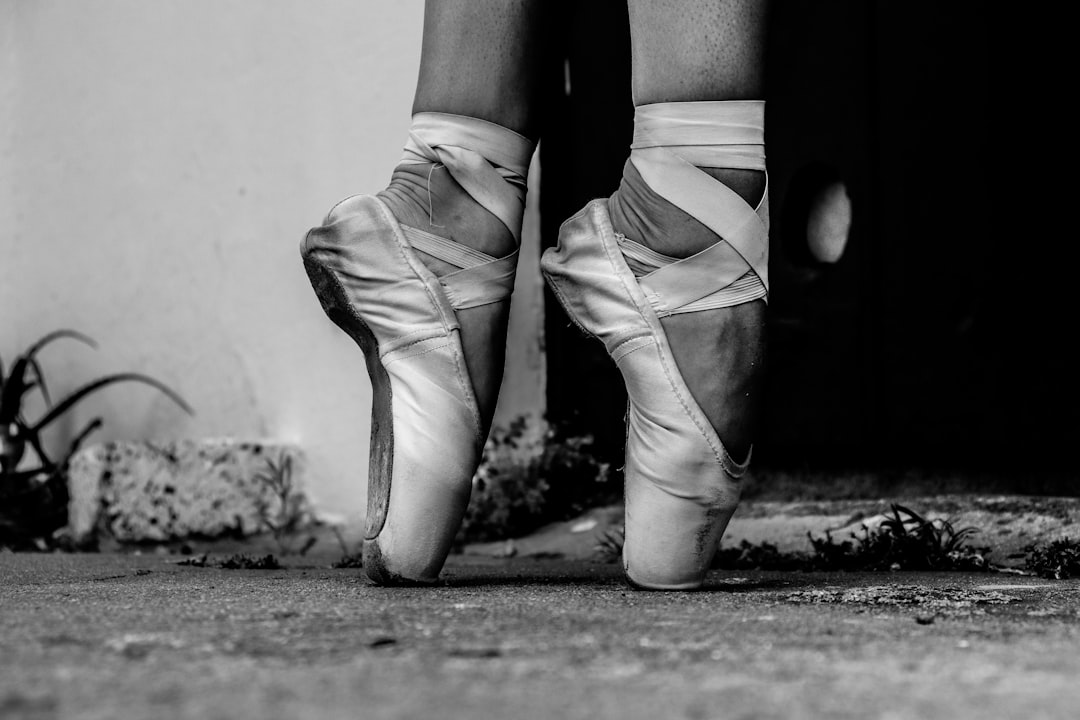
Before considering a single article of clothing, address your feet. Improper footwear causes injuries, damages dance floors, and limits your movement more than any outfit choice.
What to look for:
- Leather or suede soles that allow controlled sliding across the floor—rubber soles grip too aggressively and strain your knees
- Low, stable heels (1-2 inches for follows; flat or minimal heel for leads) that won't wobble during quick weight changes
- Secure ankle support through laces, straps, or snug fit
Budget-friendly starter options: Character shoes, vintage-inspired oxfords, or dance sneakers with suede bottoms. Many dancers convert street shoes by gluing suede patches to the soles—an affordable entry point before investing in dedicated dance footwear.
Avoid: Running shoes, flip-flops, platforms, or anything without secure heel attachment.
Comfort That Respects the Culture
Comfort in swing dancing means something specific: freedom of movement without sacrificing the polished aesthetic that defines the scene.
Fabrics That Work
Natural fibers and quality blends breathe during energetic sets and feel pleasant against a partner's hand. Consider:
- Cotton and linen for casual summer socials
- Rayon and crepe for that authentic drape and period-appropriate look
- Small percentages of spandex for recovery and stretch without synthetic sheen
Partner-aware consideration: Rough sequins, sticky vinyl, or heavily textured embellishments on backs, shoulders, or arms create uncomfortable friction during closed-position dancing. Save the statement textures for areas that won't contact your partner.
Fit for Function
Here's where swing attire diverges from generic dancewear advice:
For follows: Fitted bodices that won't shift during turns, with skirts or pants that allow full leg extension. The classic full-circle skirt isn't merely decorative—it creates beautiful centrifugal motion during spins. Length matters critically: too short risks exposure during dips or aerials; too long creates tripping hazards. The sweet spot for most follows falls 25-27 inches, hitting just below the knee.
For leads: Fitted shoulders and chest with room through the hips and thighs for lunges and kicks. High-waisted trousers with a slight break at the shoe maintain clean lines without restricting movement.
Dressing for Your Swing Subgenre
"Swing dance" encompasses distinct communities with different aesthetic expectations. Matching your attire to your specific event prevents feeling out of place.
| Style | Typical Attitude | Outfit Direction |
|---|---|---|
| Lindy Hop | Vintage reproduction, playful, historical | 1930s-40s inspired: high-waisted trousers, swing skirts, button-down shirts, hair flowers, suspenders |
| West Coast Swing | Sleek, contemporary, competition-focused | Modern dancewear, fitted separates, stretch fabrics, minimalist elegance |
| Balboa | Intimate, sophisticated, close embrace | Streamlined silhouettes, pencil skirts, tailored jackets, minimal flare that won't tangle |
| Charleston | Athletic, high-energy, theatrical | Shorter skirts or shorts for follows, looser cuts for leads, room for explosive kicks |
When in doubt, research your specific venue or event. Many dances specify "vintage optional," "dressy casual," or theme nights that guide your choices.
Accentuating Your Movement
Swing dancing is visual theater. Your clothes should amplify, not obscure, your body's rhythm.
Skirts with physics: The full-circle skirt mentioned earlier demonstrates this principle perfectly—fabric becomes part of the choreography. For follows, consider how your hemline behaves during twirls. For leads, trousers with appropriate weight and cut create satisfying lines during kick sequences.
Color and pattern strategy: Solid colors in jewel tones or classic neutrals photograph beautifully and read clearly across a crowded floor. If you prefer patterns, medium-scale designs work better than tiny prints (which blur at distance) or oversized motifs (which overwhelm).
Strategic embellishment: Sequins, beading, or embroidery draw the eye—place them where you want attention. For