You know that moment when the band hits a driving rhythm, and the floor fills with bodies flying, spinning, and laughing? That’s the magic of Lindy Hop. But amidst the joy, a practical question nags every dancer: What on earth should I wear? You’re not just picking an outfit; you’re gearing up for athletic bursts, social swirls, and a direct connection to a living history. Let’s cut through the confusion and build a wardrobe that lets you focus on the fun.
Forget the stiff formality of some dance genres. Lindy Hop was born in the ballrooms of 1930s Harlem—it’s social, it’s improvisational, and it’s a marathon, not a sprint. Your clothes have to handle sweat, sudden spins, and a crowded room where you’ll brush past dozens of other dancers. The sweet spot is where vintage spirit meets modern engineering.
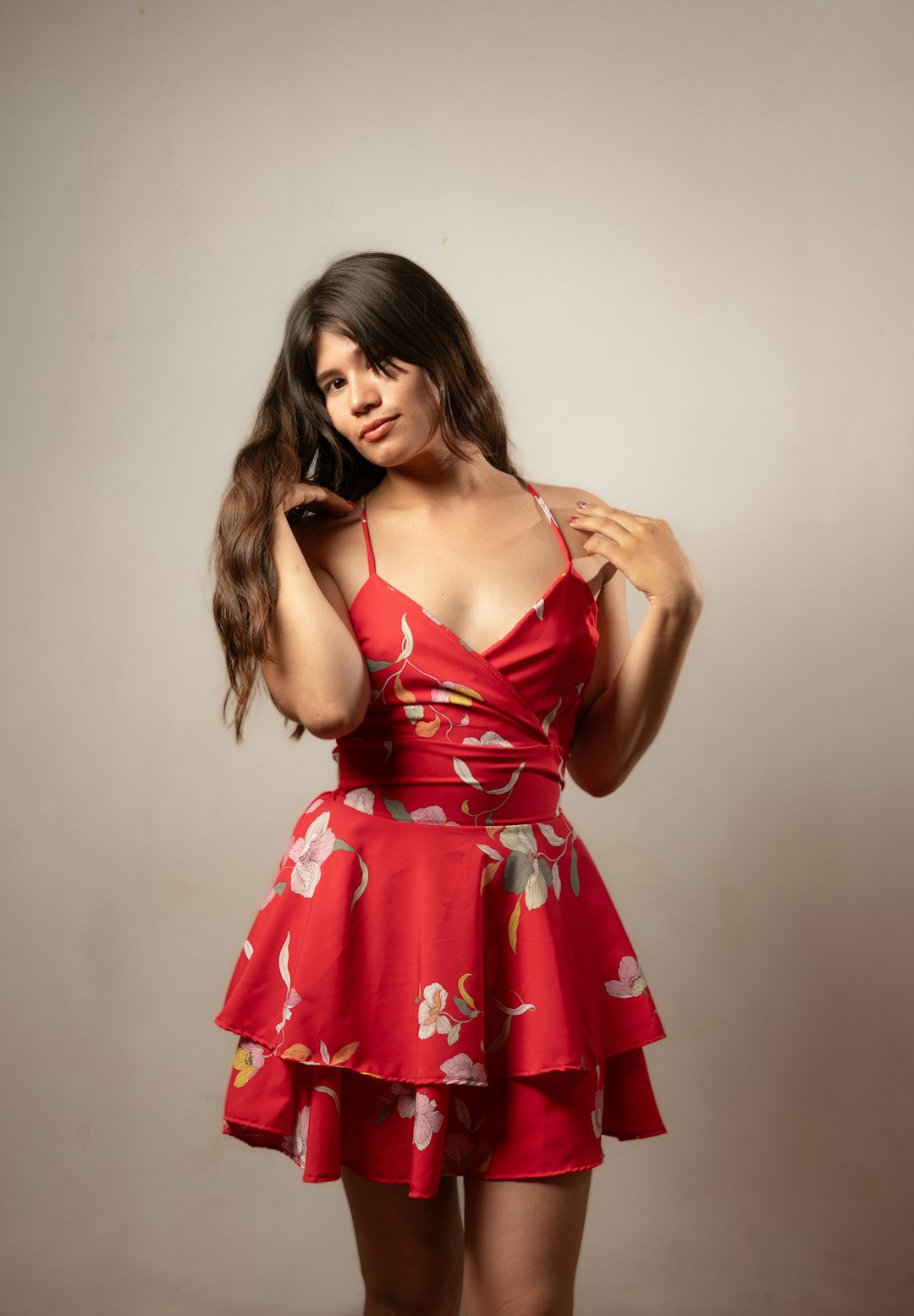
For those dancing the follow part, your skirt is a tool, not just decoration. A full circle skirt isn’t just pretty; it’s a physics experiment in centripetal force. When you swivel, it should fly out in a perfect, dramatic arc, not cling to your legs or—worse—slowly migrate upward. Do a few practice spins in the dressing room. If it misbehaves, move on. And beneath that skirt? High-waisted, moisture-wicking shorts are your non-negotiable best friends. They prevent mishaps and keep you comfortable when the room heats up.
For leads, the unsung hero is the trouser break. Pants that puddle over your shoes hide your footwork from your partner, breaking the rhythm they’re trying to follow. Aim for a clean line just at the ankle. Look for a higher rise and a bit of room in the thigh; you’ll need it for those deep, driving steps. And pockets are great, but leave the bulky wallet in your bag—anything that bangs against your partner disrupts the connection.
Now, let’s talk sweat. It’s a badge of honor here. The solution is layering with purpose. A thin, synthetic or merino base layer wicks moisture away. Over that, a breathable cotton or linen shirt keeps you cool and stylish. Then, for the walk home or a break between songs, have a sweater or jacket ready. The real pro tip? Pack a complete change of clothes. After 90 minutes, even the best gear gets saturated. Changing into a fresh shirt feels like a revelation.
Your shoes, though, are the most critical choice. They are your connection to the floor. Never, ever wear street shoes on a dance floor—the grit they carry scratches hardwood and creates treacherous, unpredictable traction. Invest in a dedicated pair. Suede soles offer perfect grip and slide on a good wood floor, but they’re useless if wet. Hard leather can save you on a sticky floor. And forget old-school gender rules; many advanced dancers of all genders prefer flat shoes for power and control, while others love the line of a modest Cuban heel. Choose what makes your feet feel strong and responsive.
Breaking in new shoes is a ritual. Wear them around the house, to practice, until they mold to your feet. Brush the suede soles to adjust their speed. Your future self, dancing confidently on a packed floor, will thank you.
Building your Lindy wardrobe is part of the adventure. It’s about respecting the dance’s history while arming yourself for its joyful, sweaty reality. When your clothes work with you—freely, comfortably, expressively—you stop thinking about them altogether. And that’s when you can truly lose yourself in the music, hit that perfect swingout, and feel the timeless thrill of the dance.