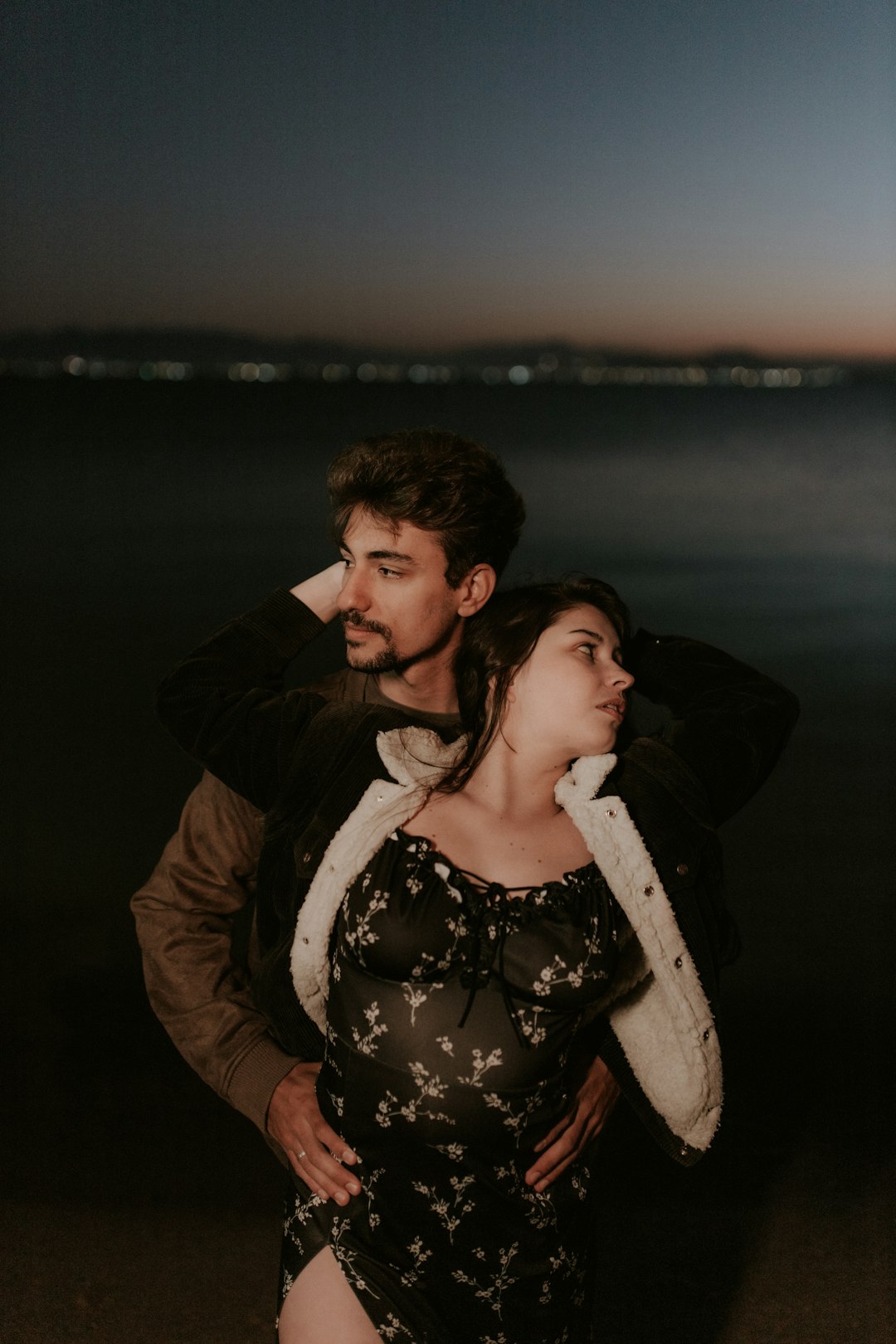
There's a moment every cumbia dancer knows. The music starts, the drums lock in, and you step onto the floor — but something's off. Your shirt's clinging, your shoes are slipping, and that "cute" accessory you picked out is now tangled around your wrist mid-spin. Suddenly the vibe dies. And it didn't have to.
What you wear to cumbia matters more than people admit. Not because of fashion, but because the right outfit disappears — and the wrong one becomes the whole story. Here's how to make sure you're dressed to dance, not dressed to fidget.
---
Let the Roots Show (But Keep Them Functional)
Cumbia comes from Colombia, and there's real power in carrying even a hint of that heritage into what you wear. A flowing pollera in deep red or forest green, a ruana draped over one shoulder — these aren't costume pieces, they're nods to where this dance actually lives. And here's the thing nobody talks about enough: traditional cumbia garments are built for movement. They're not decorative. They move with you.
If full traditional wear feels like too much for a social night out, dial it back. A linen shirt in a warm tone, wide-leg trousers in a breathable cotton blend. You still look intentional, and nothing is stopping you when you drop into a low step or snap into a turn.
Fabric choice is where most people quietly self-sabotage. Cotton, rayon, linen — anything that breathes and doesn't cling when it heats up. Skip the synthetics that look great in your closet and feel like plastic wrap by the third song.
---
Your Feet Are Telling You Something
This part gets overlooked constantly. For cumbia — with its侧足 (sweeping steps) and quick pivots — you need shoes that grip. Flat soles, soft leather or canvas, nothing that locks your ankle. A slight heel can actually help on some floors, but we're talking maybe an inch, not a statement heel.
The real enemy is a smooth sole on a worn or polished floor. You will slip. You will feel vulnerable. And that vulnerability changes how you move, even if nobody else notices. Spend five extra minutes breaking in a pair before you dance in them for real. Your future膝盖 (knees) will thank you.
---
Accessories: The Goldilocks Rule
Colorful scarves, patterned shawls, a simple cuff bracelet — these do real work in cumbia. A scarf gives you something to hold during partnerwork, something to play with during a solo, something that adds visual rhythm to your movement. That's functional decoration.
But go light. One statement piece, not a jewelry box. Earrings that catch the light are great. A necklace that bounces and needs adjusting mid-dance? That's a distraction you bought yourself. Same with anything dangling off your arms — if it swings or catches when you turn, it becomes the center of attention and pulls focus away from your movement.
---
Make It Yours, Loudly
Here's the part that separates someone who looks like they dressed to blend from someone who looks like they dressed to dance. Cumbia rewards personality. That could mean a bold color you feel incredible in, a layering combination nobody taught you but you figured out, or even a specific piece you brought back from travel that nobody else in the room is wearing.
Confidence in what you're wearing is not superficial. It settles something in your nervous system. When you feel good in your clothes, you stop thinking about your clothes — and that mental bandwidth goes straight to your movement. You're not up there wondering if your hem is coming untucked. You're just dancing.
---
The floor is waiting. And when you walk onto it dressed right, you're not just ready to move — you're impossible to ignore.