You're eight counts into the choreography, spinning through a ronde de jambe, and suddenly you're thinking about your waistband. Not the music. Not the emotion you're supposed to channel. Just the relentless squeeze of a leo that fit fine in the dressing room but has apparently declared war on your ribcage.
That's the moment you learn the truth about lyrical dancewear: the best outfit is the one you forget you're wearing.
Let the Fabric Follow the Feeling
Lyrical dance doesn't announce itself. It sneaks up on you—a shoulder roll here, a sudden drop to the floor there, a reach that seems to extend past your fingertips. Your clothes need to keep up with that unpredictability without sending you to the sidelines with a rip or a wardrobe malfunction.
I learned this the hard way during a performance of "Gravity" by Sara Bareilles. I wore a cotton tank that looked gorgeous under the warm-up lights. By the time I hit the first floor work sequence, it had absorbed every drop of sweat and stuck to my back like a wet paper towel. Never again. Now I reach for moisture-wicking blends—polyester-spandex mixes that breathe when you're suspended in a développé and don't betray you during a sweat-drenched finale.
Cotton isn't the enemy, but save it for rehearsals when you're marking through choreography. When you're performing full-out, you need fabric that works as hard as your muscles do.
The Silhouette That Disappears
There's this moment in lyrical where you're transitioning from a grounded contraction to a full split leap, and if your leggings are sliding down or your top is riding up, the magic evaporates. You're not a soaring expression of grief or joy anymore—you're just a person yanking up their pants mid-air.
Form-fitting doesn't mean suffocating. The best lyrical pieces feel like a second skin that actually wants to be there. High-waisted leggings that stay put through tilts and turns. Leotards with leg openings that don't cut into your hip line. Tops that allow your shoulder blades to move freely because you'll need every ounce of that mobility when the choreography calls for a backbend that seems to defy physics.
I keep a "movement test" in my bag for every new piece: the full roll-down, the grand battement, the sudden drop to a kneeling position. If I have to adjust it during any of those, it doesn't make it to the stage.
Color as Your Silent Partner
The right hue doesn't just flatter you under stage lights—it whispers to the audience before you even take your first step.
I'll never forget watching a dancer perform a piece about letting go, dressed in a deep, saturated burgundy that seemed to pool and shift like wine in a glass every time she moved. The color did half the storytelling. Conversely, I've seen technically flawless performances in jarring neons that fought the choreography instead of supporting it.
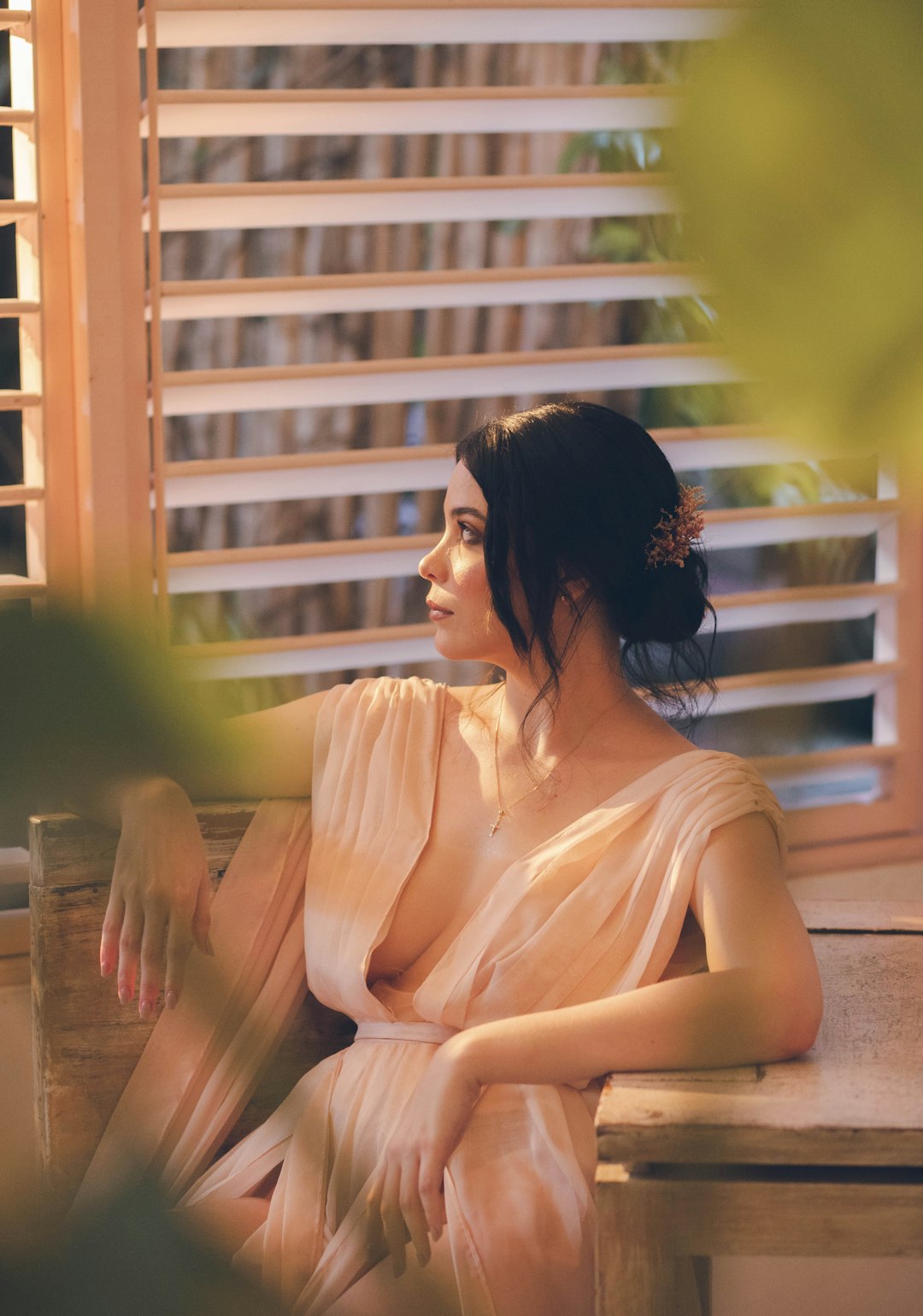
Pastels aren't automatically gentle, and black isn't automatically dramatic. A pale blush can read as vulnerability or exhaustion depending on how you move in it. A stark white can feel like hope or haunting emptiness. Think about the emotional arc of your piece, not just what looks pretty in the mirror. That dusty sage leotard might be the difference between a performance that reads as "nice" and one that makes the audience exhale without realizing they'd been holding their breath.
Barefoot or Bound: The Footwear Question
Most lyrical dancers live somewhere between bare skin and minimal coverage. There's something visceral about feeling the floor directly—every grain of marley, every temperature shift, the exact moment your weight transfers from ball to heel.
But bare feet aren't always practical, especially during six-hour rehearsal days when the studio floor feels like sandpaper. That's where lyrical shoes or canvas ballet slippers earn their keep. The key is finding something that protects without lying to you. If your shoe is padding sensation, your dancing gets padded too. You need to feel the floor's response to your push-off, the grip during a pirouette, the slide into a parallel fourth.
Look for shoes that fit like gloves—no extra material bunching at the toes, no heel slipping when you point. I break mine in by wearing them through a full contemporary class, not just walking around. They need to know what dance feels like, not what the sidewalk feels like.
When Your Outfit Becomes the Story
At some point, every lyrical dancer finds The Piece. The one where the choreography stops being steps and starts being something you can't quite name. And when that happens, your clothes should step aside and let the story take over—or they should step up and become part of it.
Maybe it's a single flowing sleeve that catches air during a turn and makes time seem to slow down. Maybe it's a strappy back detail that catches the light during a contraction, mapping your spine like a constellation. Maybe it's just the perfect shade of ocean blue that makes you feel, inexplicably, like you're underwater even when you're standing perfectly still.
The best lyrical dancewear doesn't just cover your body. It holds space for whatever you're trying to say when words fail you completely. And when you find that combination—the fabric that moves like breath, the fit that disappears, the color that resonates—you stop thinking about what you're wearing. You just dance.
There's no greater compliment than someone asking afterward, "What was that song?" because they were so lost in the moment that the outfit, the technique, the stage itself all melted away. That's when you know you got it right.