---
The Moment Everything Clicks
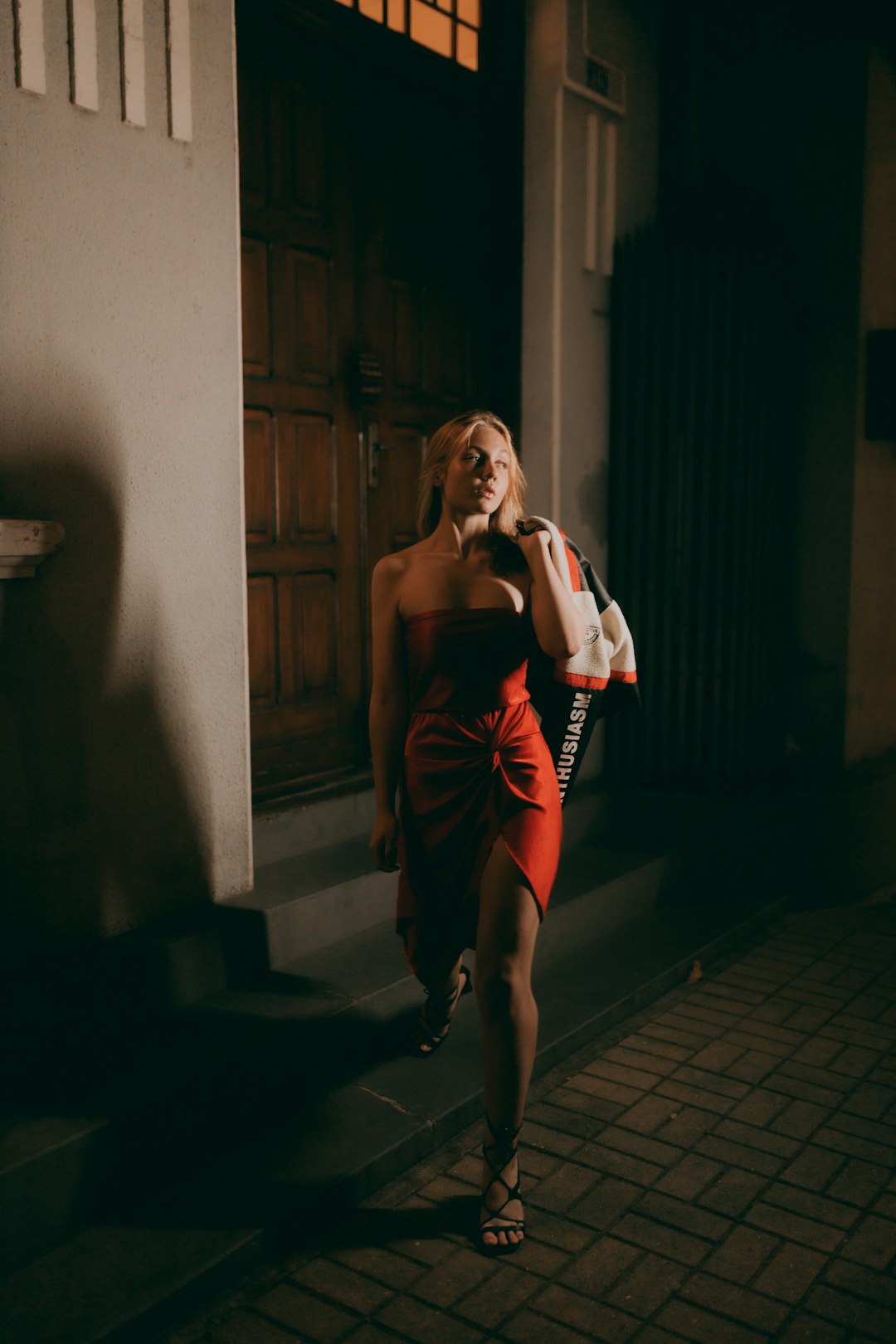
That split second when the right outfit hits your skin—something shifts. Your shoulders drop, your spine straightens, and suddenly you're not just someone in a room with music. You're ready to own it.
I've learned this the hard way. Showed up to my first salsa social in jeans and a t-shirt once. technically I could move, but I felt like I was dancing in a disguise. The next week, I wore a stretchy midi dress that moved with me—and the difference wasn't just in how I looked. It was in how I risked, how I snapped my arms a little sharper, how I nailed that turn sequence I'd been practicing for weeks.
What you wear matters. Not because anyone is judging your outfit (okay, some people absolutely are—that's their issue), but because what you wear changes your internal landscape. It tells your body how to move.
The Vibe Has to Match the Groove
Here's what trips people up: they treat all Latin dances the same. They're not.
Salsa? You want something that catches the light when you spin—sequins, satins, bright colors that explode when the spotlights hit. The whole point of salsa is that theatrical flash, that "look at me" energy. I once watched a woman in a perfectly plain black tank top lead a dance at a local club, and she was incredible, but I noticed how her simple outfit disappeared in the crowded room. You want to be seen.
Bachata is different. Closer, slower, more emotional. The clothes should invite that intimacy—flowy fabrics that drift when you sway, colors that feel romantic without trying too hard. There's a reason so many bachata dancers gravitate toward wine red, deep purple, midnight blue.
Tango—oh, tango is where elegance wins. This isn't the dance for bedazzled crop tops. Think Audrey Hepburn, think old Hollywood, think sleek lines and dark colors that make every dip look effortless. The moment you put on a structured dress or well-fitted trousers, your posture changes. You stand taller. You move like you mean it.
Fabric Is Your Friend (or Your Enemy)
I made the mistake of wearing a cotton shirt to my first tango workshop. Big mistake. Cotton holds heat and sweat, and by hour two, I was a wet mess clinging to my partner like a terrified octopus.
What works: fabrics that breathe and stretch. Spandex blends move with your body so you're never fighting your clothes. Satin has that gorgeous sheen, but look for blends—not pure satin because it tears if you look at it wrong. Polyester blends are the workhorses; they wash well, last forever, and don't wrinkle mid-dance.
The dance floor gets hot. Not "slightly warm" hot—tropical rainforest hot. Especially during a packed salsa night where everyone's burning off their week's stress. Your outfit needs to wick moisture, not hold it. Test your fabric by sprinkling water on it at home. If it sits there laughing at you, find something else.
Fit Isn't Optional
I'll be honest: I've squeezed into outfits that were technically too small because they looked so good. Every time, I regretted it. Not immediately, but mid-dance when I couldn't breathe deeply enough to nail a dip, or when my dress kept riding up and I had to choose between dancing or adjusting.
Your outfit should feel like a second skin. Snug enough that you never think about it, loose enough that you forget it's there. The best test: put it on, blast your playlist, and dance like no one's watching for five minutes. If you're constantly adjusting, if you can't take a full breath, if anything bunches or gaps—back to the closet.
Also worth mentioning: elastic waistbands are your friend. That two-hour bachata social will destroy you if you're in something with a rigid waist. The temporary discomfort you feel will become a real problem when you're exhausted and your body rebels.
Shoes Make or Break the Night
I know dance shoes feel like an extravagance. You're just doing this for fun, right? Wrong. Regular heels have suede soles that grip the floor exactly wrong—you can't spin, you stick, you risk twisting an ankle. Dance shoes have leather or synthetic soles designed specifically for sliding and spinning safely.
For women, a two-inch heel is the sweet spot. High enough to look incredible, low enough to last three hours without crying. For men, clean leather dress shoes or jazz flats. That's it.
And break them in before a big event. Nothing ruins a night like new shoes that aren't ready for a four-hour dance marathon.
Accessories: The Cherry on Top
A clear principle: everything you wear should earn its place. That statement necklace that catches every light? Sure. Five dangling bracelets that hit your partner's face during a spin? No.
Hair matters more than people think. Nothing ruins a spin faster than hair in your face. A simple scrunchie or headband isn't glamorous, but neither is stopping mid-dance to dig hair out of your lip gloss.
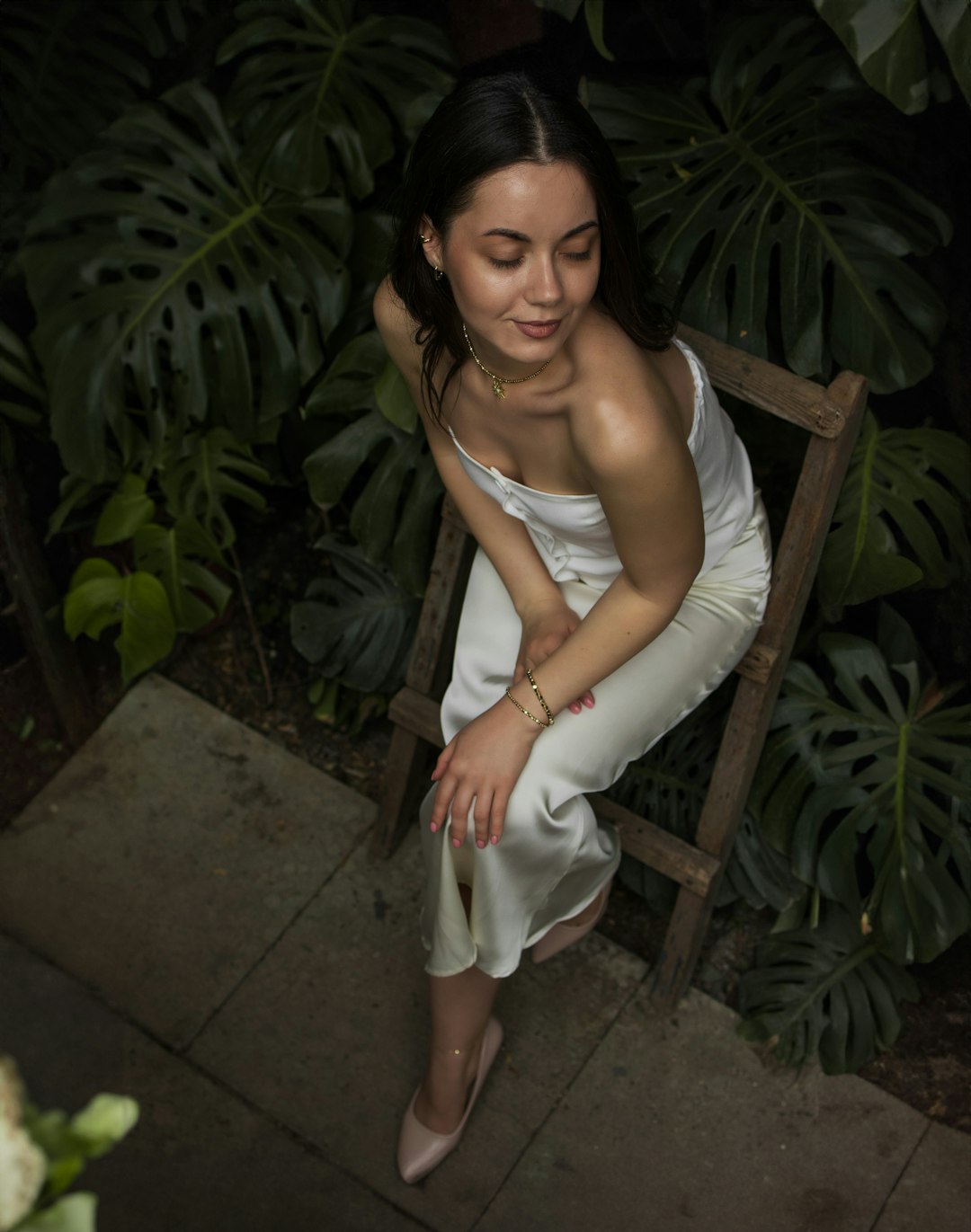
Jewelry should be minimal for salsa—too much becomes a hazard. But for bachata and tango, where you're moving slower and closer, a subtle necklace or earrings catch the eye without becoming a liability. The goal is enhancement, not a career in accessories.
Wear Your Confidence
At the end of the day, the perfect outfit is the one that makes you feel invincible. Not comfortable—notice I didn't say comfortable. You want to feel like you walked out of a movie scene, like the music was written for your entrance.
Latin dance is courage in motion. It's showing up and deciding to move your body in public, to be watched, to be present. Your clothes are part of that courage. They signal to your brain: I'm ready. I'm here. I'm going to give this everything.
Next time you're getting ready for a dance night, don't just grab whatever's clean. Think about the vibe, choose the fabric, try on five options, and then pick the one that makes you want to walk onto that floor like you own it.
Because you will.