The Brutal Truth About Yoga Pants Under Stage Lights
I still cringe remembering my first performance. There I was, dripping with confidence after months of drilling hip drops and chest isolations, wearing the same black cotton leggings I’d sweated through in class since January. The lights hit. The music started. And suddenly I understood: the audience sees you before they see your dance.
That’s the thing nobody tells beginners. Belly dance isn’t just felt in the body—it’s eaten with the eyes. Your costume speaks in the silence before the first drum beat. It whispers about your respect for the art form, your professionalism, and whether you’re a dancer who takes this seriously or someone who just wandered onstage.
But here’s the good news. You don’t need a closet that would make a Turkish costume designer weep. You just need two distinct wardrobes: one that survives three hours of rehearsal, and one that transforms you into something electric.
When Nobody’s Watching (And Why That Matters Most)
Studio clothes are where the real work happens. Forget the Instagram fantasies of flowing silk chiffon in the mirror—real practice is messy. You’re on the floor doing shoulder shimmies. You’re marking choreography in the corner while sweat pools in places you didn’t know could sweat.
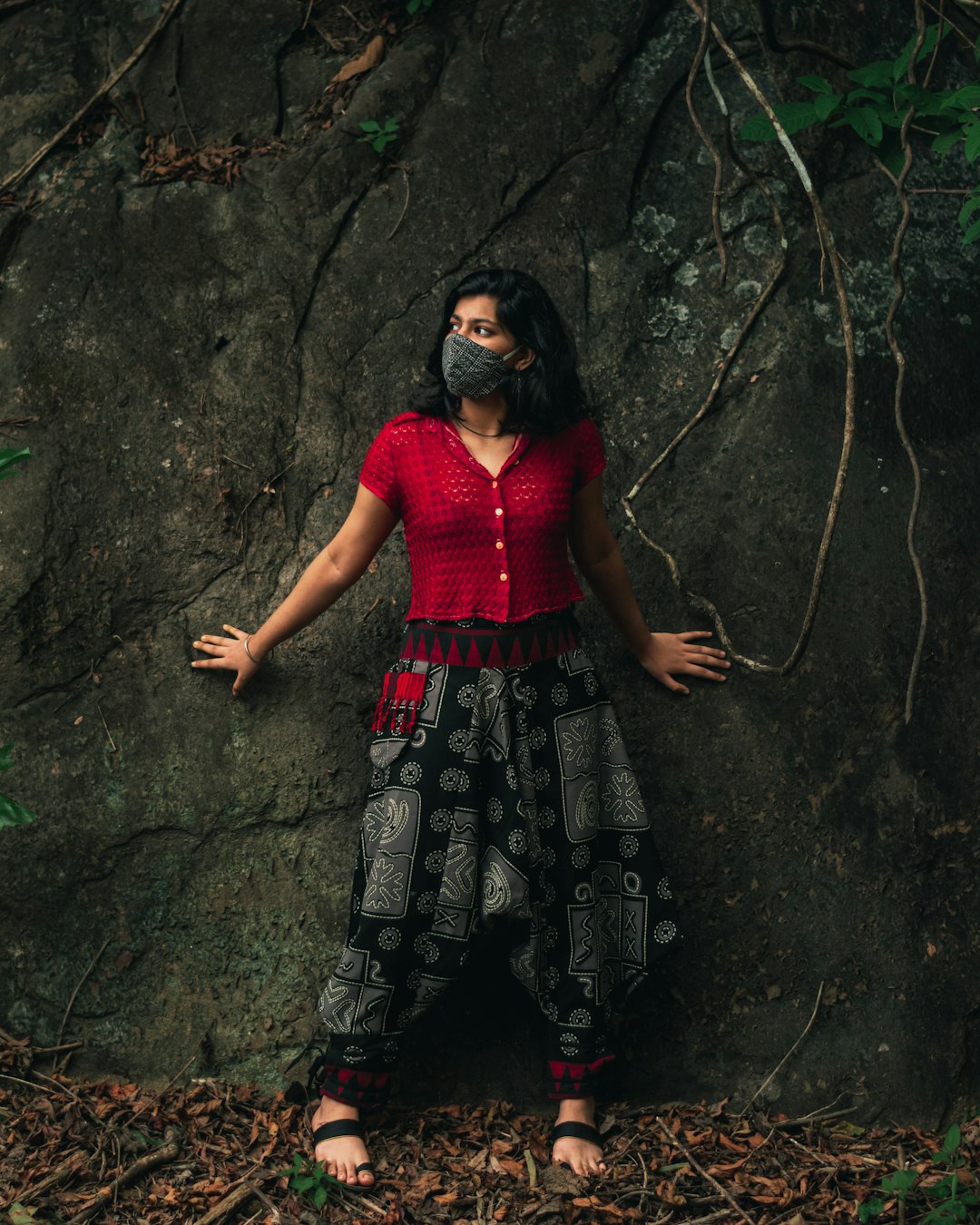
You need fabric that forgives. Breathable cotton, moisture-wicking blends, anything that doesn’t turn into a plastic bag when you’re thirty minutes into an intense drill. A fitted tank or sports bra top keeps your instructor from guessing at your hip alignment under billowing fabric. Harem pants or a simple circle skirt let your knees track properly without restriction.
Layers are non-negotiable if your studio cranks the AC. I learned this the hard way during an Egyptian cabaret workshop where my muscles stayed clenched for two hours because I was too stubborn to grab a wrap. Warm muscles move better. Cold muscles get injured. Throw a hip scarf over your basics—not the jingly coin kind that drives your teacher insane, but a simple fabric one that shows your hip movements without the percussion track.
The goal in rehearsal isn’t to look like a performer. It’s to disappear into your work so completely that technique becomes automatic.
The Moment Fabric Becomes Armor
Stage costuming operates on completely different physics. Under hot stage lights, distance swallows detail. That delicate hand-beading you loved up close? Invisible from row ten. What reads is silhouette, sparkle, and movement.
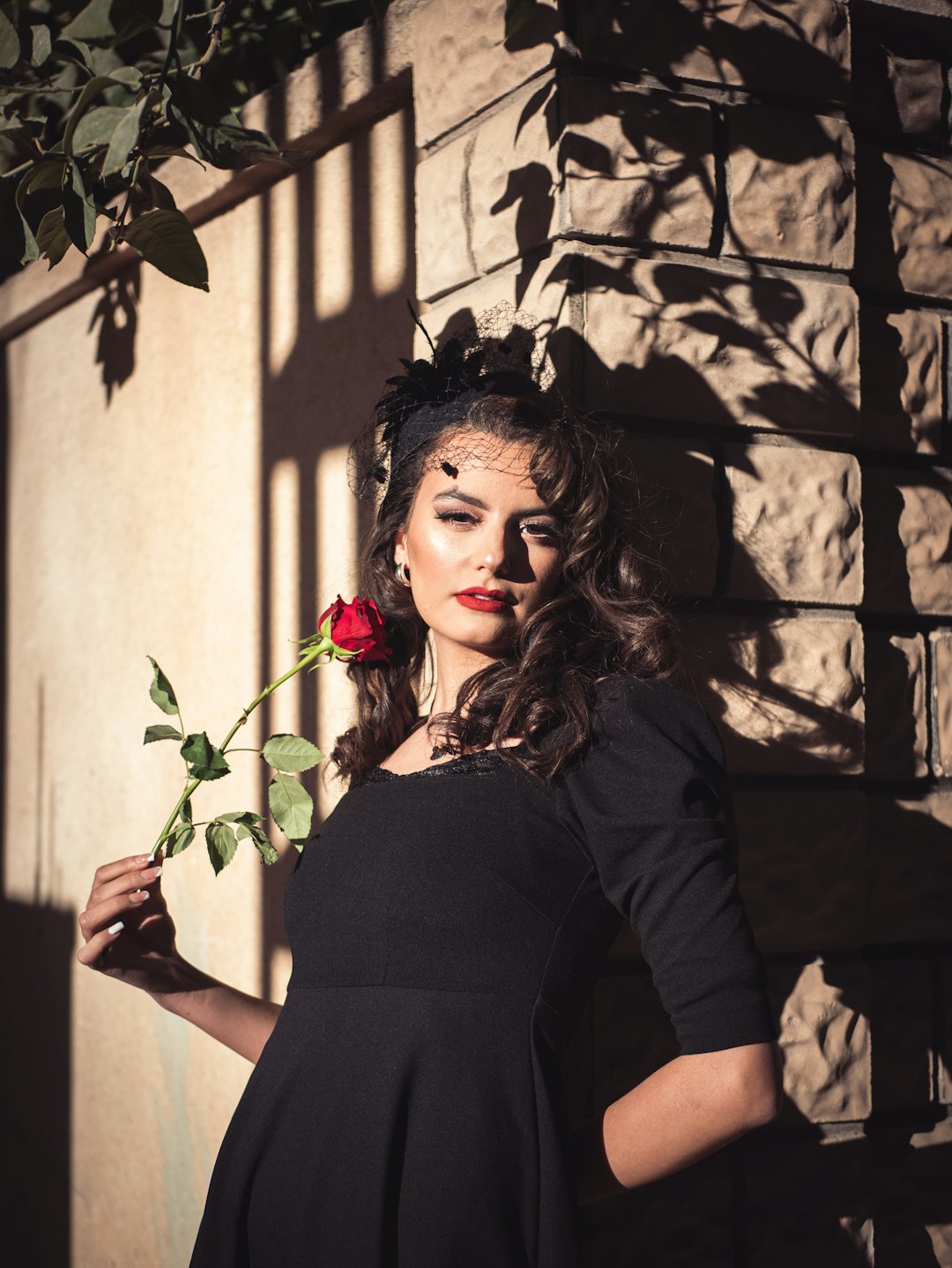
A proper belly dance costume—whether you go traditional bedlah or modern fusion—should frame your strengths. Got incredible abdominal control? A well-fitted bra and belt set with a bare midriff puts your center stage, literally. Strong, expressive arms? Draped sleeves that catch the air extend your line beyond your fingertips.
But fit isn’t about vanity. It’s about physics. I once watched a gorgeous dancer spend her entire taqsim fidgeting with a bra strap that kept slipping. The audience didn’t see her emotional interpretation. They saw anxiety. Get professionally fitted if you can, or learn to alter. Safety pins are not a long-term strategy.
And please, test your full range of motion before you commit. Sit down. Reach up. Do a full backbend. If anything rides up, digs in, or threatens to expose what shouldn’t be exposed, that costume is a trap dressed in sequins.
The Sounds You Didn’t Know You Were Making
Accessories in belly dance aren’t just decoration—they’re instrumentation. That coin belt? It’s a rhythm section. The gold bangles stacking up your arms? They accent every figure eight and undulation with a shimmer you can hear.
This is where personal style gets loud. Maybe you’re drawn to the heavy Bedouin silver look, thick and matte and ancient-feeling. Maybe you want dripping fringe that blurs your torso into liquid motion when you shimmy. Maybe you’re minimalist—a single headpiece, clean lines, nothing competing with your isolations.
There’s no wrong answer except the one that fights your movement. Heavy coins can throw off your timing if you’re not used to the weight. Fringe tangles. Headpieces slip. Every choice has a trade-off.
Footwear splits the community right down the middle. Half my teachers perform barefoot, grounded and earthy. The other half wouldn’t dream of stepping onstage without low-heeled dance sandals that protect against rough surfaces and extend leg lines. Try both. See which one makes you feel rooted or elevated. There’s no gospel here, only preference.
Wearing Culture Without Wearing a Costume
Let’s talk about the uncomfortable part. Belly dance carries roots in Egyptian, Turkish, Lebanese, and North African traditions, among others. That history isn’t a aesthetic you borrow for Tuesday night.
If you’re wearing a traditional bedlah, know why it’s constructed that way. The dropped waistline, the specific beadwork patterns, the way the skirt sits on the hips—they’re not random fashion choices. They’re cultural grammar. Using them correctly shows fluency. Using them ignorantly is like speaking a language you don’t actually know.
That doesn’t mean you can only wear exact historical replicas. Fusion exists. Innovation exists. But approach both with homework. Talk to dancers from the culture. Watch old Egyptian film clips from the 1940s. Understand the difference between Saidi cane dances and Turkish Romani styling before you mix elements like they’re interchangeable.
Your personal style should shine through, but never at the expense of respect. The best costuming I’ve seen happens when a dancer’s individuality and cultural honesty hold hands instead of arm-wrestling.
Your Wallet Will Thank You
Professional belly dance costumes can cost more than your monthly rent. The hand-beaded Egyptian pieces? Absolutely stunning. Also absolutely unnecessary when you’re starting out.
Start smart. Hit up dance community swap groups—retiring dancers often sell quality pieces for fractions of their worth. Learn basic sewing. A plain bra base from the craft store, some beads, and a weekend of Netflix can yield something uniquely yours. I built my first performance set with a hot glue gun and delusional optimism. It survived six shows. Not bad for thirty bucks.
Rental shops exist in most major cities, and many festivals have costume libraries for traveling performers. Thrift store scarves become veils. Curtain trim becomes belt fringe. Your creativity matters more than your credit limit here.
Just never, ever compromise on fit to save money. An ill-fitting expensive costume looks cheap. A well-fitting simple one looks intentional.
The Last Thing They’ll Remember
Here’s what actually happens when the music ends. The audience won’t remember whether your beads were Swarovski or plastic. They won’t recall if your skirt was authentic Egyptian cotton or a modified prom dress from Goodwill.
They’ll remember whether you looked like you belonged up there. Whether your costume moved with you or against you. Whether you seemed like a woman who stepped onstage fully prepared, fully present, fully herself.
The right belly dance attire doesn’t hide you. It reveals you. Choose pieces that let your hips say what your words can’t. Then forget about them completely and dance.