---
The Outfit That Almost Ruined My First Contemporary Class
Picture this: you walk into your first contemporary dance class feeling confident in your brand-new athletic wear—only to spend the next hour constantly adjusting a waistband that won't stay put and fabric that bunches in all the wrong places during floor work. I've been there, and honestly? It's the fastest way to kill your vibe and distract yourself from the actual dancing.
Contemporary dance demands a lot from your clothes. You're rolling across the floor one minute, extending through a dramatic reach the next, then suddenly launching into a turn sequence. The wrong outfit doesn't just look awkward—it can actually hold back your technique.
Start With How It Moves, Not How It Looks
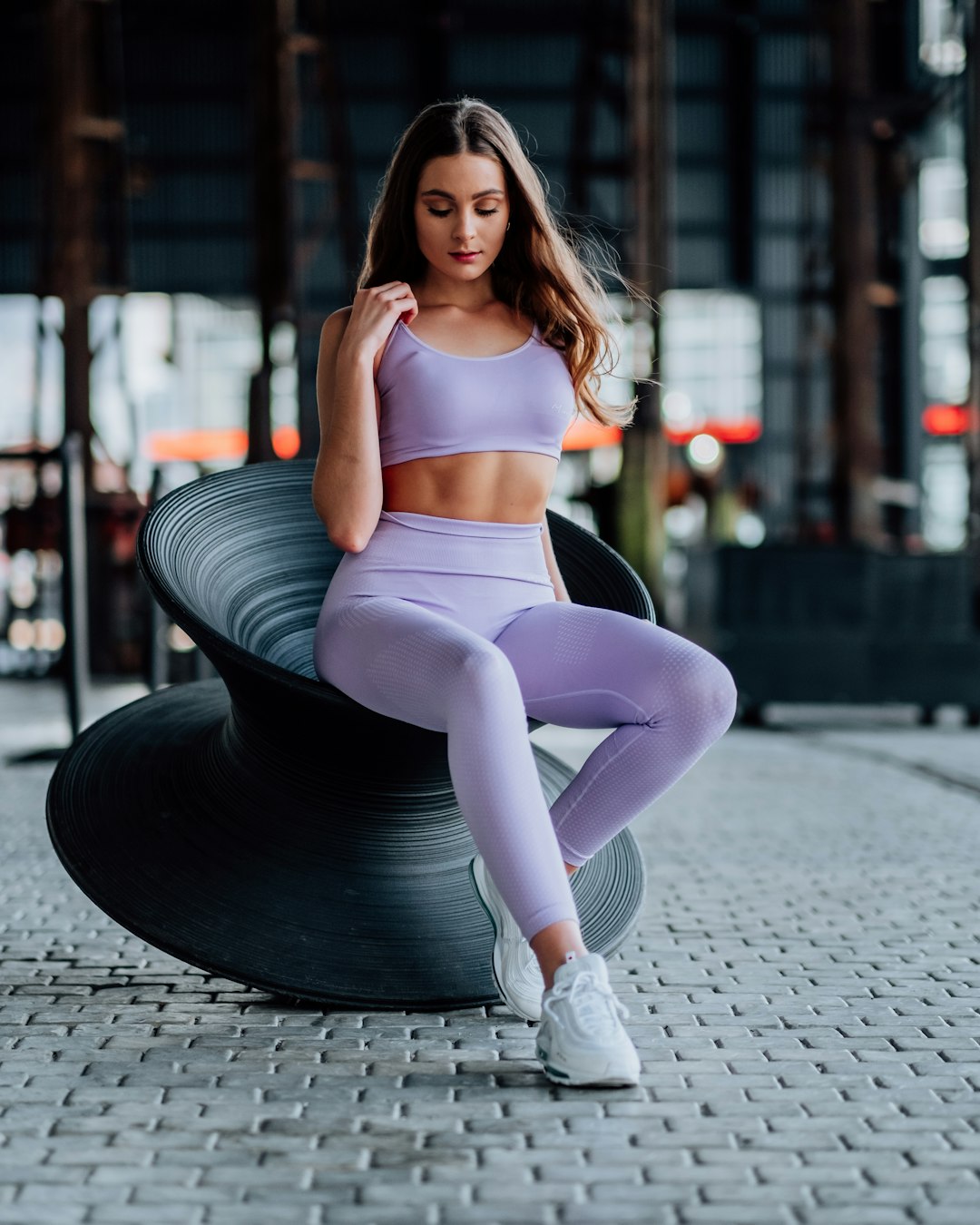
Here's the thing most dance retailers won't tell you: that cute crop top might look amazing on the hanger, but if it rides up every time you lift your arms, it's going to drive you crazy within the first ten minutes of class.
Try this instead: put on the piece you're considering and do a full range of motion—arm circles, deep lunges, rolling through your spine. If you're constantly aware of what you're wearing, that's a problem. Great dance clothes should disappear into the background so you can focus entirely on movement.
Fabric matters more than you'd think. Cotton-blend leggings feel soft against your skin, but they trap heat and get heavy with sweat. Spandex and moisture-wicking blends keep you cooler and maintain their shape through repeated washing. Your legs will thank you during that twentieth développé.
The Layering Secret That Works for Every Body
Contemporary classes often start slow with floor work and build intensity. Smart dancers layer strategically—a form-fitting base layer that stays put, plus something looser to throw on during breaks or slower sections.
A fitted tank or leotard underneath gives you freedom to move without worrying about shirts riding up during inversions. Top it with a loose crop tee or an open-front cardigan for transitions and rest periods. When the choreography heats up, you can peel off the outer layer without missing a beat.
This approach also solves the eternal dancewear dilemma: looking put-together without sacrificing a single ounce of functionality.
Color Choices That Actually Mean Something
Those neutral tones everyone recommends? There's real logic behind it, and it's not just about matching. Black, charcoal, and deep earth tones like olive or rust create clean lines that help you see your body's shape in the mirror. That visual feedback matters when you're refining technique.
But here's where personal style enters the picture: contemporary dance celebrates individuality. If you feel most powerful in a rich burgundy or a deep teal, wear it. The confidence boost from wearing something that genuinely reflects who you are? That translates directly into better dancing.
The only real rule: avoid busy patterns that break up your body line. They make it harder for both you and your instructor to see proper alignment.
What Goes on Your Feet (or Doesn't)
Some teachers insist on bare feet. Others prefer dance paws or half-sole shoes. The best approach? Ask before your first class.
Bare feet give you maximum ground connection—crucial for those grounded, earthy movements contemporary is known for. But they're not always practical on rough floors or for dancers with sensitive skin. Dance paws offer a middle ground, protecting your feet while still letting you feel the floor.
If you're dancing on concrete or especially rough surfaces, consider jazz shoes with split soles. They protect without completely sacrificing that grounded feel.
The Pre-Class Test That Saves Embarrassment
Nothing's worse than discovering mid-class that your new leggings are slightly see-through when you bend forward. Or that your beautiful mesh-top leotard has an unexpected gap during floor work.
Before wearing anything to class, spend ten minutes moving in front of a mirror at home. Do some pliés, roll through your spine, try a few floor moves. Check every angle. This five-minute habit has saved countless dancers from wardrobe malfunctions.
Make It Yours
Ultimately, the best contemporary dance outfit is one you forget you're wearing. When your clothes work with your body instead of against it, you're free to lose yourself in the music and the movement—which is exactly where the magic happens.
Start with comfort, layer in some personal style, and don't be afraid to experiment until you find what feels right. Your dancing will show the difference.