I still remember standing outside the community center, clutching my water bottle like a shield. Through the window, I could see a circle of people stomping and clapping in perfect sync, and my stomach turned. I'd signed up for a Hungarian folk dance class on a whim after watching a YouTube video, but now—facing the reality of actual human coordination—I was ready to fake a family emergency and run.
I didn't run. And honestly? That first awkward hour changed everything.
You Don't Need the Costume to Belong
The biggest lie I told myself was that I needed to look the part before I walked in. I spent an hour googling "traditional Hungarian dance shoes" and almost bought a fifty-dollar pair of leather boots that I'd have worn exactly once. Here's the truth: show up in clean sneakers and clothes you can move in. That's it.
Maria, who runs the class I attend, still wears the same faded yoga pants she's had since 2019. The guy who knows the most steps? He dances in cross-trainers. Folk dance isn't about looking authentic; it's about moving authentically. Once I stopped worrying about my outfit, I actually started listening to the instructor instead of pulling at my shirt.
The Music Will Confuse You Before It Guides You
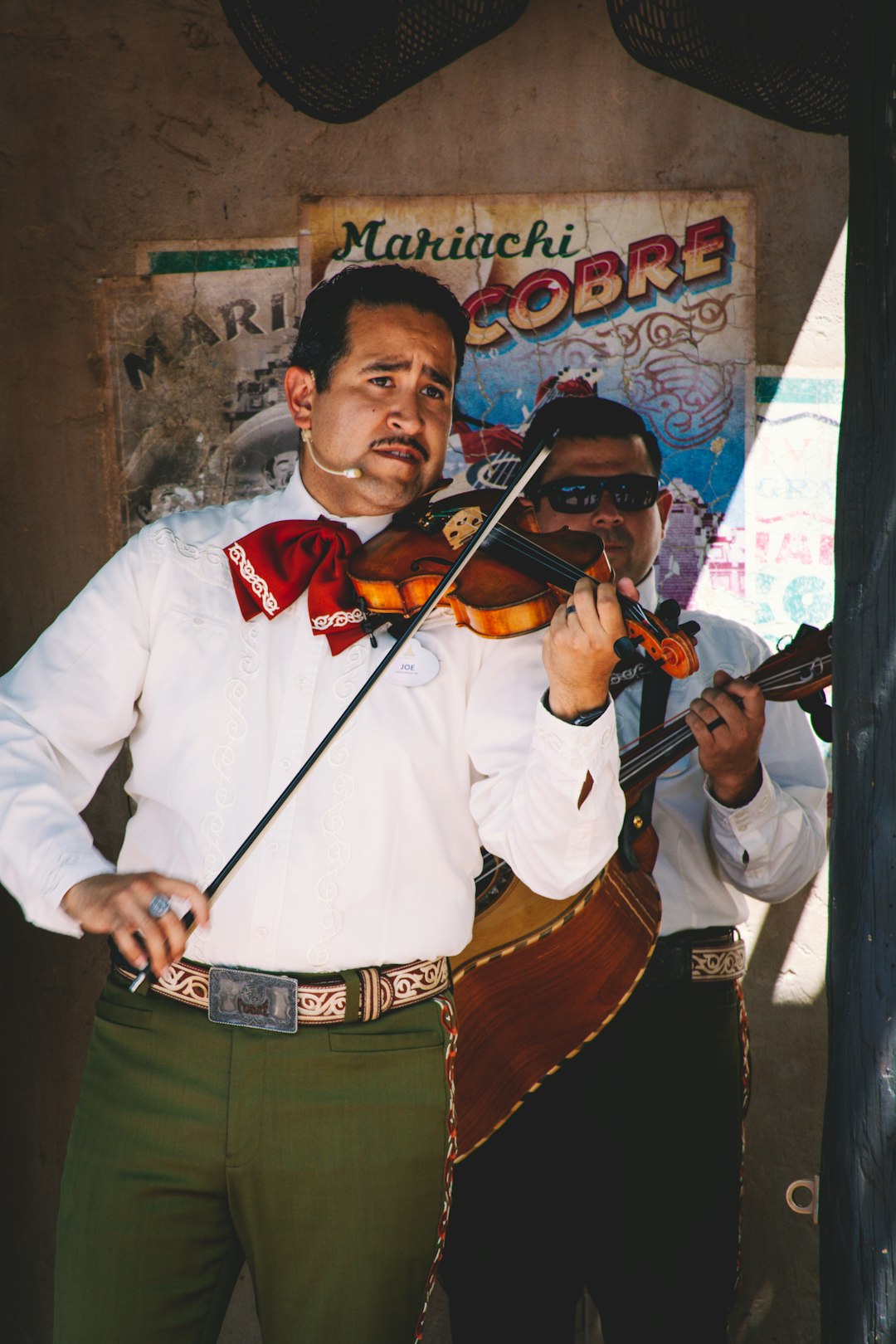
The first time the band fired up—yes, an actual live band, because folk dance people don't mess around with playlists—I couldn't find the beat. It wasn't like pop music with a clear bass drop. The violin seemed to be doing its own thing, the accordion was fighting for attention, and I had no idea where my feet were supposed to land.
Then someone pointed out the dum-dum-tss pattern in the cimbalom. They told me to stop counting and start feeling the pulse in my chest. I started humming the melody on my commute. Two weeks later, my hips moved before my brain gave permission. That's the weird magic of it—the rhythm sneaks into your body when you're not trying so hard.
Mistakes Are Part of the Choreography
I used to apologize every time I bumped into someone. After my fifth "sorry" in ten minutes, an older dancer named Greg grabbed my shoulders and said, "Stop saying sorry. Just adjust and keep going." He wasn't being harsh; he was being honest.
In folk dance, especially the line and circle dances, the group corrects itself constantly. Someone's always a half-step early, someone's always turning the wrong way. The dance doesn't fall apart because you recover together. I once watched a whole line forget a sequence, laugh, and invent a transition on the spot. The instructor clapped them on the back. That freedom to be imperfect? It's addictive.
Your Upper Body Matters More Than You Think
I spent my first three classes staring at my feet, convinced that if I just memorized the footwork, I'd nail the dance. I tripped anyway. Then a woman named Ildikó pulled me aside and said, "You're dancing like a robot. Let your arms breathe."
Folk dance isn't ballet. Your posture isn't about rigid perfection; it's about communication. A raised elbow signals a turn. The way you hold your partner's hand—firm but not crushing—tells them you're ready to move. When I finally lifted my gaze from the floor and looked at the person across from me, the steps started clicking. Dancing is a conversation, not a solo exam.
The Community Finds You
I didn't join for friends. I joined because I wanted to move more and sit less. But somewhere between learning the csárdás and failing miserably at the verbunkos, I started getting coffee with people after class. We compared blisters. We shared videos of festivals we'd never actually attend. We celebrated when Greg's grandson visited and actually stayed for a whole dance.
Nobody forces the social stuff. There's no awkward "get to know you" icebreaker. You just show up, sweat together, and suddenly you're part of something. Last month, when I twisted my ankle stepping off a curb (not dancing, just being clumsy in real life), three people from class texted me to ask when I'd be back. I'd only been going for four months.
The Real Reason You'll Stay
Nobody talks about the moment it stops being practice and starts being joy. It's not when you master the hardest step. It's usually some random Tuesday when the music starts, the room gets warm, and you realize you're not thinking about your grocery list or your inbox. You're just... there. Moving. Connected to a room full of people who also showed up.
That feeling doesn't require talent. It doesn't even require rhythm, really. It just requires you to walk through the door and be willing to look a little silly for an hour.
I'll see you on the dance floor. Try not to step on my toes.