The Night I Learned the Hard Way
Picture this: a dimly lit milonga in Buenos Aires, the bandoneón crying out its first notes, and me—stuffed into a gorgeous but rigid satin dress that clung in all the wrong places. Three steps into my first tanda, I knew. The fabric fought every pivot. The hem tangled around my ankles during a sacada. My partner's hand kept slipping on my sweat-drenched back. I spent the entire evening thinking about my clothes instead of the music. That night changed how I approach tango dressing forever.
Your outfit isn't decoration. It's equipment.
Why Fabric Choice Makes or Breaks Your Dance
Here's something experienced dancers know that beginners usually don't: the material touching your skin directly controls how well you move. A silk charmeuse dress catches the air differently than polyester. Cotton breathes when you're two hours into a milonga under warm lights. Spandex blends recover their shape after deep lunges and quick rebounds.
Women, reach for silk, chiffon, or quality stretch blends. These fabrics follow your body's momentum instead of fighting it. They drape beautifully during a volcada and don't bunch up in a close embrace. Steer clear of anything stiff or heavy—brocade might look stunning at a gala, but it'll feel like a straitjacket by the second song.
For men, cotton-linen blends or lightweight wool trousers beat synthetic dress pants every time. You need airflow. You need give. Nobody executes a clean giro in pants that don't stretch.
The Hemline Problem Nobody Talks About
Women's tango skirts live in a Goldilocks zone. Too long, and you're stepping on your own fabric mid-molinetes. Too short, and you lose the drama that makes tango visually electric—that sweeping arc of a skirt during a turn, the flash of leg during a gancho.
Asymmetrical hemlines solve this elegantly. A skirt shorter in front and cascading longer in back gives you clear footwork visibility while still delivering that flowing silhouette. Side slits do similar work: they open up during boleos and lunges, then fall back into place.
A well-structured bodice matters just as much below. It needs to anchor your upper body while your legs do whatever they want. Think of it as the foundation—the part nobody notices when it works perfectly and everybody notices when it doesn't.
For the Guys: Stop Dressing Like You're Going to the Office
Men's tango style has a problem. Too many dancers show up looking like they wandered out of a corporate meeting. The uniform of a dark suit and white shirt is safe, sure—but it's also forgettable.
Darker tones remain your best friend: black, navy, deep burgundy, charcoal. These colors absorb light and create clean lines that photograph beautifully and look sharp on any dance floor. But fit matters more than color. Your shirt should skim your torso without pulling across the shoulders when you extend your arms. Your trousers need enough room for leg projections and quick weight changes—skinny cuts will betray you mid-step.
A fitted jacket adds structure, but test it. Raise your arms. Twist your torso. Do a few ochos in your living room. If it rides up or restricts your embrace, leave it at home.
And shoes—please, invest in proper leather dance shoes with smooth soles. They're the single piece of gear that connects you to the floor. Don't cheap out.
Accessories: The One-Ring Rule
A bold necklace can frame your décolletage beautifully. A decorative hair comb catches light during turns. A man's pocket square adds a flash of personality against a dark jacket.
But here's the rule I live by: if you can hear it jingle, see it flap, or feel it shift when you move—remove it. Tango accessories should disappear the moment the music starts. They frame the dance; they don't interrupt it. One statement piece is plenty. Two is risky. Three is a costume.
Test Drive Everything Before You Dance
Never debut an outfit at a milonga. Wear it at home. Practice in it. Sit down, stand up, do a few walking sequences. Check for:
- Fabric that rides up or gaps during deep bends
- Straps that slip off shoulders in close embrace
- Seams that chafe after thirty minutes of continuous movement
- Shoes that pinch or slide on your practice floor
Your outfit should feel like a second skin—something you forget about entirely once the music begins.
Context Changes Everything
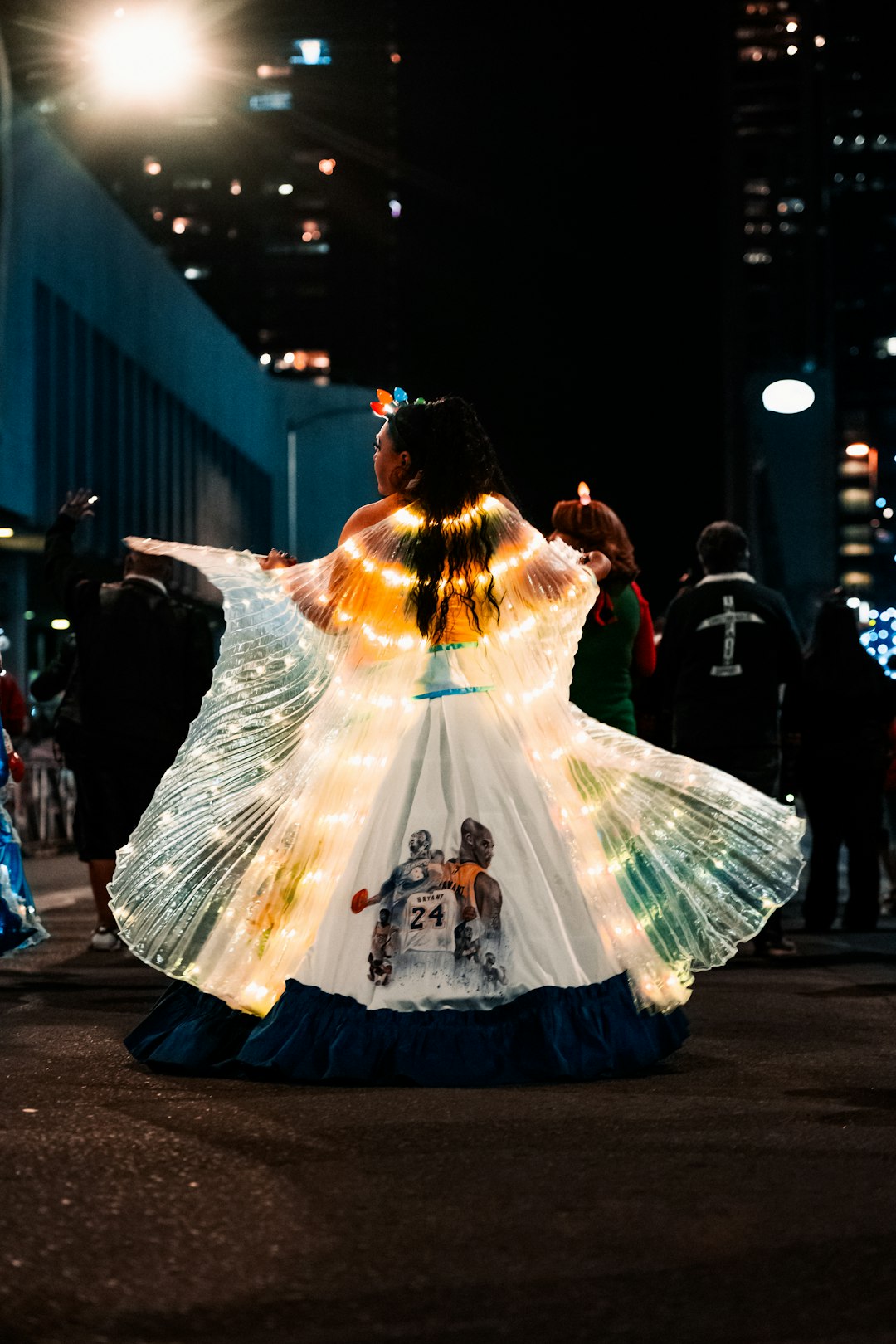
A Tuesday practice session calls for leggings and a fitted top. A Saturday milonga deserves your best dress and polished shoes. A stage performance demands drama: longer hemlines, bolder colors, maybe even a costume element that amplifies your choreography's story.
Match your outfit to the room. A sequined gown at a casual practica looks try-hard. A plain black tank top at a showcase looks like you didn't care. Neither serves you.
The Confidence Factor
Here's the part most articles skip: what you wear changes how you feel, which changes how you move. I've watched reserved dancers transform the second they put on an outfit that made them feel powerful. Their posture shifted. Their embrace tightened with intention. Their musicality opened up.
That's not vanity. That's psychology. When your clothes work with your body instead of against it, your brain stops managing fabric and starts listening to the music. You connect deeper with your partner. You take risks. You dance like yourself.
Find the outfit that lets you disappear into the dance. That's when tango stops being steps on a floor and becomes something that makes a whole room hold its breath.