Can Bodies Tell a Story That Words Barely Managed?
Here's the thing about Margaret Atwood's MaddAddam — it's a novel that barely holds itself together on the page. Three timelines, a post-apocalyptic cult of bioengineered humans, corporate greed that literally eats the world. So naturally, Wayne McGregor thought: let's put this on pointe.
The Royal Ballet's world premiere of MaddAddam was always going to be a gamble. Critics walked in expecting spectacle. They got it. They also walked out arguing about whether any of it made sense.
Spectacle Without a Spine?
The Financial Times couldn't stop gushing about the designs — towering set pieces, costumes that looked ripped from a fever dream about genetic mutation. That tracks. McGregor has never been a choreographer who plays it safe, and the Royal Ballet clearly threw budget and talent at the visual world. Post-apocalyptic wasteland rendered in tulle and LED? Sure, why not.
But the same review admitted the story felt like chewing on puzzle pieces that didn't quite fit. The narrative threads tangled instead of weaving. Atwood fans in the audience probably recognized fragments — the Crakers here, a CorpSeCorps flash there — but the connective tissue between scenes was thin.
"Thin, Dull, and Obviously Ambitious"
Alastair Macaulay didn't hold back in Slipped Disc. His three-word verdict — "thin, dull, and obvious" — stings because it points at a real problem. Ballet translates feeling beautifully. It translates dense, multi-voiced fiction about ecological disaster and transhuman evolution... not so much. Atwood's characters carry psychological baggage that a pas de deux can only gesture at. You can show a body falling. You can't easily show a body remembering the fall of civilization.
That's not McGregor's failure so much as the mountain he chose to climb.
A Quieter Praise
The Independent took a gentler angle, recognizing the sheer audacity of the project while admitting the plot remained slippery. Their reviewer seemed less bothered by the narrative gaps, treating the ballet more like an experience than a story. Atmospheric rather than linear. That framing might be the fairest one.
What the Dancers Actually Did Right
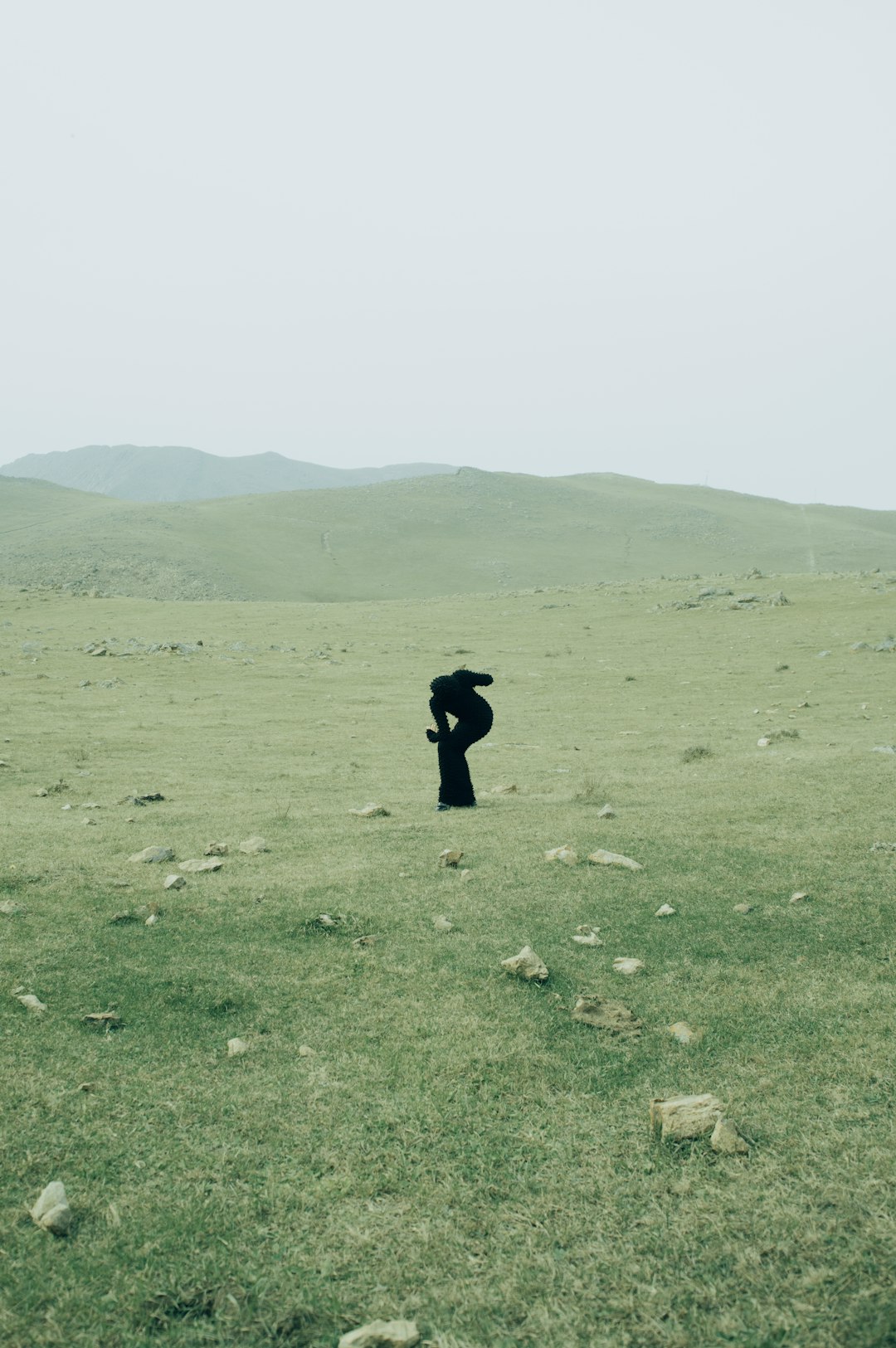
Strip away the debate about story fidelity, and something genuinely powerful emerges. McGregor's choreography lives in the uncomfortable space between classical technique and raw, almost feral movement. Dancers didn't glide — they contorted, collided, rebuilt themselves. In a piece about humanity's survival (or extinction), watching elite athletes move like creatures learning to inhabit their own bodies felt visceral.
The Royal Ballet corps brought commitment. When the music swelled into chaos, their unison shattered on purpose. Small moments — a hand reaching, a body curling inward — carried more emotional weight than any synopsis could convey. You didn't need to know who Toby was or what the Painball Arena represented. The fear, the tenderness, the desperate clinging to something human — that translated.
The Honest Verdict
MaddAddam on stage isn't a faithful retelling. It can't be. But it's not trying to be. What McGregor built is an impression — a physical memory of Atwood's world that bypasses your reading brain and hits somewhere more primal.
If you're the kind of person who needs plot clarity and character arcs handed to you, skip it. But if you've ever watched a dancer's trembling hand and felt something crack open inside you — this production has that. It's messy, ambitious, and occasionally breathtaking. Atwood herself has always been a risk-taker. McGregor honored that spirit, even when the execution stumbled.
Not every bold choice lands cleanly. That doesn't mean it shouldn't have been made.