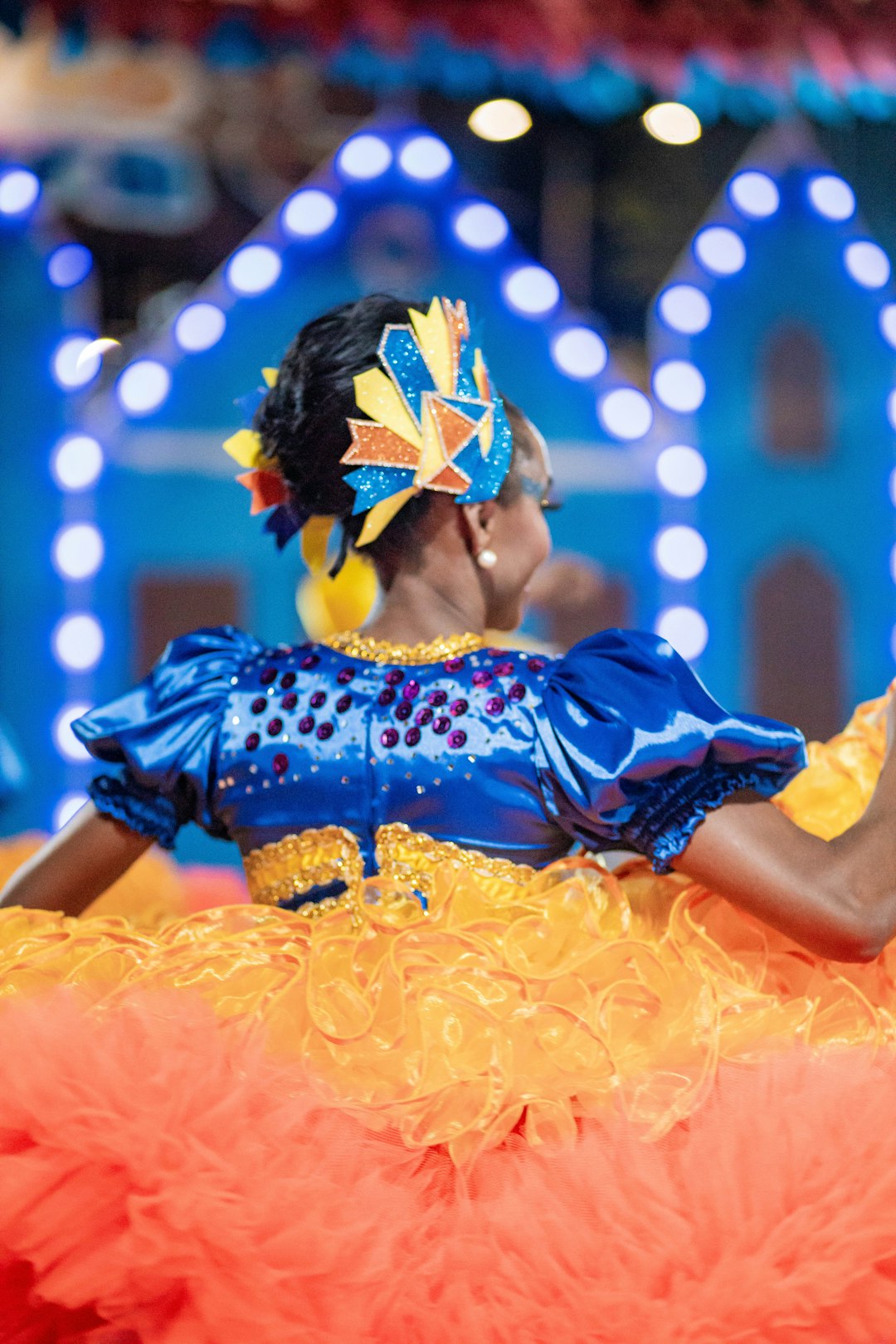
The Night I Got It Wrong
I walked into a tiny venue in Madrid's Lavapiés neighborhood expecting a proper flamenco show. You know — palmas, a lone guitarist in a wooden chair, maybe a singer with that gravelly ache in their throat. Instead, a DJ was layering breakbeats under a cantaora who looked like she could bench-press the PA system. The audience was half teenagers in sneakers and half abuelas clutching their purses. Nobody left. That's the thing about flamenco fusion — it shouldn't work, but the room never empties.
Paco Didn't Ask Permission
Any honest conversation about this starts with Paco de Lucía, and honestly, people romanticize what he did. They forget that when he brought jazz harmonies into flamenco in the '70s, a chunk of the purist community called him a sellout. He didn't care. Or maybe he did, but he played with Al Di Meola and John McLaughlin anyway, and the records they made together — Friday Night in San Francisco is the obvious one — proved that bulería rhythms could hold their own against jazz improvisation without collapsing into gimmick.
He didn't "blend" anything. He just played what he heard in his head and let other people categorize it later. That distinction matters.
The Bands Nobody Expected
Ojos de Brujo came out of Barcelona's Raval district in the late '90s, and their early gigs were chaotic. Hip-hop MCs trading bars with flamenco singers, turntablists scratching over soleá compás. Critics didn't know what shelf to put it on. The band didn't care about shelves — they cared about filling a dance floor with people who'd never set foot in a tablao.
Chambao took a different route. Their thing was chillout electronica wrapped around flamenco melodies, and yeah, some of it leaned toward "music for hotel lobbies." But the track "Pokito a Poko" still gets played at parties in southern Spain fifteen years later. That's not nothing.
Then there's Rosalía, who — whatever you think about her later pop pivot — cracked something open with Los Ángeles and El Mal Querer. She pulled flamenco palos into reggaeton structures and made it feel inevitable rather than forced. A lot of flamenco purists hated it. A lot of young listeners heard siguiriyas for the first time because of it. Both things are true.
What the Dance Actually Looks Like
Here's where it gets interesting, and also where purists get the most uncomfortable. Traditional flamenco dance has rules — strict ones. The braceo (arm movements), the zapateado (footwork patterns), the way a bailaora marks the compás. These aren't decorative. They're structural.
Now throw in a contemporary dancer who trained at PARTS in Brussels. Or a hip-hop b-boy who learned to feel the twelve-beat cycle of bulería. What you get isn't always pretty. Sometimes it's awkward, the vocabularies clashing like two people trying to walk through the same door. But when it clicks — when a dancer hits a breakbeat accent with a stamp that would've made Carmen Amaya nod — the audience doesn't analyze it. They just lose their breath.
I watched a company in Seville do a piece where a female dancer performed soleá por bulería in pointe shoes. Half the crowd gasped. The other half booed. That ratio probably means it was good art.
The Messy Middle
I won't pretend fusion always works. A lot of it is bad. Lazy electronic producers sampling flamenco guitar loops over generic four-on-the-floor beats, calling it "Flamenco House" and uploading it to Spotify with a stock photo of a woman in a red dress. That stuff is wallpaper.
The bad fusion treats flamenco like a spice — a sprinkle of "exotic flavor" over an otherwise bland track. The good fusion treats it like a conversation partner with equal authority. You can hear the difference immediately. One sounds like tourism. The other sounds like two people arguing and then deciding to go get dinner together.
Why It Keeps Going
Flamenco has always absorbed. Moors, Jews, Roma, Andalusian peasants, Gitano communities across centuries of persecution — the art form is already a fusion, born from people who had nothing except their voices and their anger and their need to dance. Saying "flamenco should stay pure" ignores that flamenco was never pure. It was desperate. Desperation doesn't follow rules.
So when a producer in Granada programs a drum machine under a martinete, or when a dancer in Tokyo performs alegrías to a Dilla beat, they're not betraying anything. They're doing exactly what the art form has always done: grabbing whatever's nearby and making it mean something.
The abuelas in Lavapiés knew that. They stayed for the whole set.