That moment when your hip drops feel automatic, and you can finally follow a whole song without thinking—that’s when the real fun starts. You’re not a beginner anymore, but the “intermediate” label can feel fuzzy. It’s less about ticking boxes and more about a shift in how you move, listen, and express. Here’s how to navigate that exciting, sometimes frustrating, in-between stage.
The Hidden Flaws in Your Foundation
Before you chase fancy layers, look at what’s already there. Most of us have little habits from our early days that can hold us back. I used to practice in front of a mirror and wonder why my shimmies looked frantic, not fluid. Turns out, my shoulders were up by my ears! Slowing down to fix that tension changed everything.
- **Your pelvis isn’t just moving—it’s leading.** If you feel strain in your lower back, you might be tilting your pelvis too far forward. Try this: stand against a wall so your head, upper back, and tailbone touch. Step away and maintain that neutral spine while doing simple hip lifts. It feels less dramatic but moves with more power.
- **Breathe like you’re not trying.** Advanced layering falls apart if you’re holding your breath. Practice just your chest circles while breathing steadily through your nose. Then add a hip vibration. The moment your breath hitches, you’ve found your current limit.
The Art of Doing Two Things at Once
Layering isn’t a party trick; it’s the heart of intermediate technique. The goal is to make combined movements look intentional, not like you’re wrestling with your own body.
Start with shimmies. That basic vibration is your new best friend. Try layering a sustained knee-driven shimmy under a slow, deliberate shoulder slide. Film yourself. Do the movements look connected or like two separate things happening at once? The magic is in the conversation between them.
For combinations, think “opposites attract.” A deep, grounded hip drop pairs beautifully with a lifted, expansive chest. Practice a chest figure-eight while doing pelvic circles. Keep your range smaller than you think—it’s about control, not maximum swing. When you sacrifice range for clarity, your movement gains texture and sophistication.
Props Aren’t Just Accessories—They’re Teachers
A veil isn’t just pretty fabric; it’s a lesson in spatial awareness and arm stamina. I remember my first silk veil felt like trying to dance with a live kite. The breakthrough came when I stopped forcing it into shapes and started breathing with it, letting the fabric ride my exhale.
Tackle props in phases:
- **Veil:** Focus on clean pathways, not tricks. Master the basic wrap and a simple toss before you try traveling with it. The veil should look like an extension of your breath, not something you’re conquering.
- **Finger Cymbals (Zils):** This is where coordination gets real. Sit down and just play the patterns—gallop, military, wahda—until your fingers move without your brain screaming. Then stand. Then walk. *Then* try adding a basic hip movement. It’s a patience game.
- **Sword or Cane:** These demand a quiet core and perfect balance. A sword doesn’t balance on your head because you’re stiff; it balances because you’re subtly alive underneath it, making micro-adjustments. Practice first with a book, then a cane, feeling for that sweet spot of poised control.
Hearing the Music Like a Dancer, Not Just a Listener
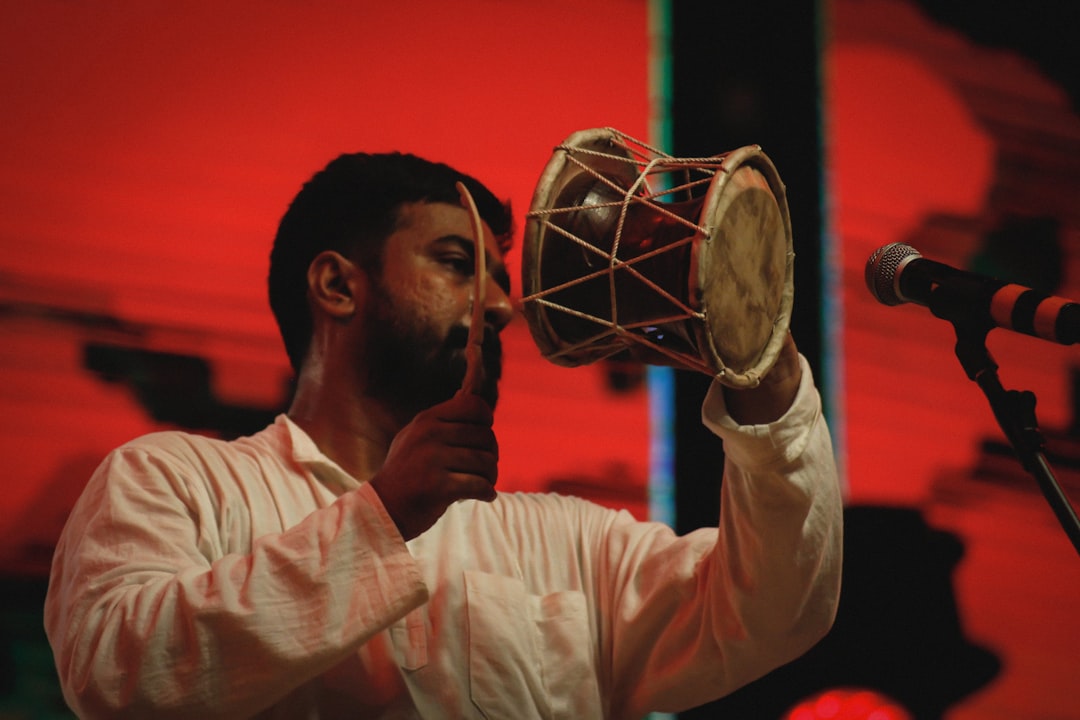
You’ll know you’re progressing when you stop hearing “a song” and start hearing a conversation between instruments. That dumbek isn’t just keeping time; it’s asking a question your hips can answer.
- **Learn the rhythms by their personality.** The Baladi rhythm is heavy and earthy—your movement should sink into it. The Saiidi is sharp and playful; think crisp accents and grounded jumps. Don’t just clap the pattern; *embody* its feel.
- **Build an improv toolbox.** Instead of panicking during a solo, give yourself a simple mission: “I’ll only respond to the flute with my arms,” or “I’ll mirror the rhythm with my feet, then answer it with a chest pop.” Structure sets you free. Plan your energy arc—a gentle start, a build to a peak, a clear finish—but leave the details open for the music to inspire in the moment.
The Unseen Skill: Owning the Space
Technique is your vocabulary; performance is how you tell the story. The biggest shift happens when you stop dancing at an audience and start drawing them into your world.
Forget looking at your feet. Lift your gaze to the back wall. Project your energy through your fingertips and sternum, like you’re trying to reach someone in the last row. A trick that helped me: choreograph a simple sequence facing the four corners of the room. It forces you to understand how your movement reads from every angle, breaking that “front-and-center” habit.
The plateau between beginner and advanced is where you become an artist. It’s where you fix the cracks, build complexity with care, and find your own voice in the music. This is the work that transforms a dancer who knows steps into one who captivates a room. Keep practicing, keep listening, and trust the process.