The First Note Hits Different
There's that split second right before the downbeat. You're standing in a line of strangers, maybe holding someone's sweaty palm, wondering if you'll remember the allemande left versus the allemande right. Then the fiddle kicks in. Not politely—properly. Your shoulders drop. Your right foot taps before your brain catches up. Suddenly that sequence of confusing calls makes sense because your body already knows where it's going.
I've watched complete beginners survive—and actually enjoy—complex contra dances purely because the band was locked in. The caller could shout anything, and as long as the fiddle kept driving that groove, nobody fell apart. That's not luck. That's the hidden architecture of folk dance, and most people never notice it's there.
The Music Isn't Background. It's GPS.
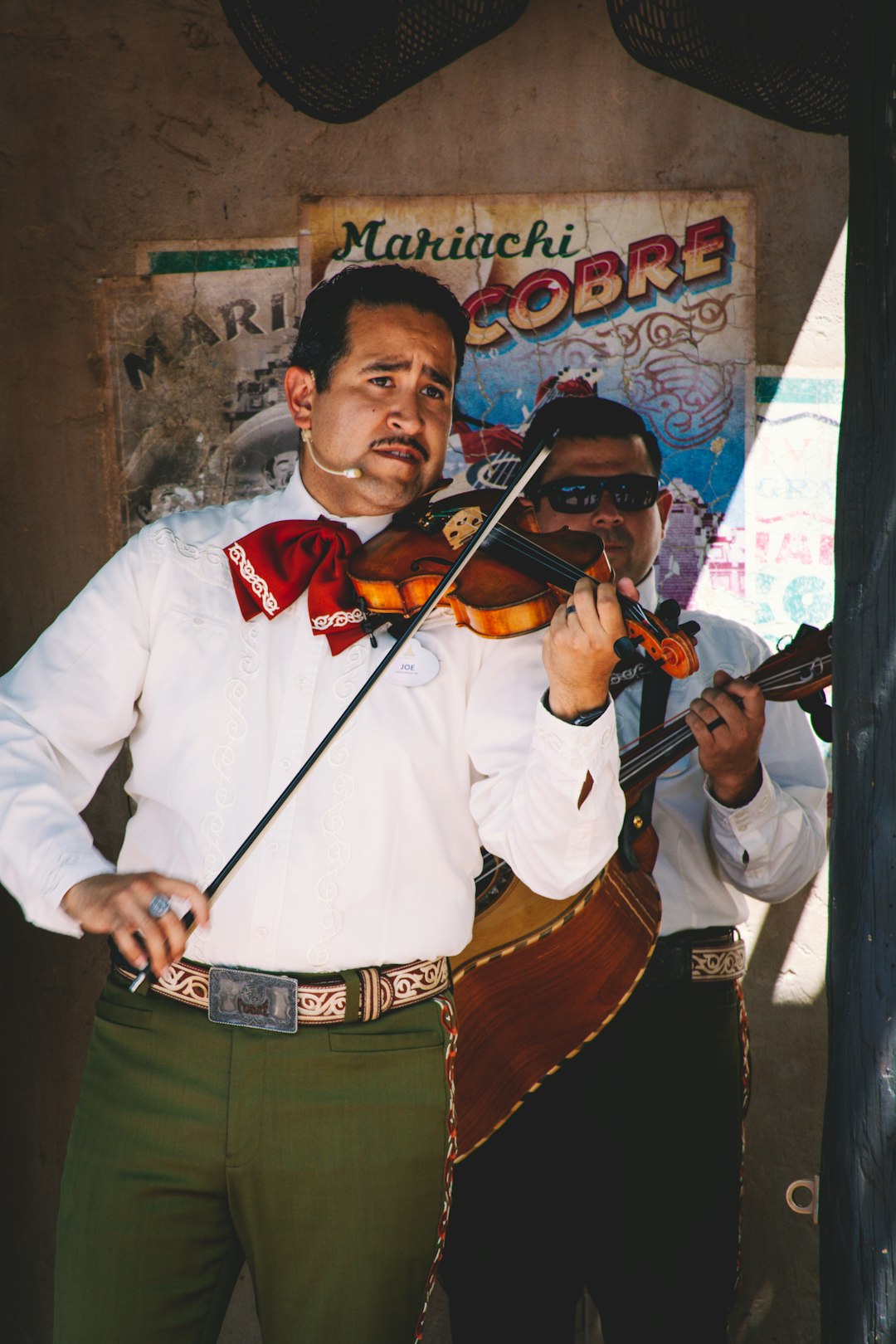
Think of the musician as a co-choreographer who works in real time. A good accordion player doesn't just play the tune; they breathe with the floor. They feel the moment half the room gets lost in the hey-for-four, so they punch the rhythm harder on the B part to pull everyone back on beat. I've seen fiddlers slow a reel almost imperceptibly when the caller's instructions run long, stretching time like taffy so the dancers don't crash into each other.
This isn't sheet music fidelity. It's a conversation. The dancers push energy toward the stage; the band shapes it and throws it back. When that loop works, you get what contra dancers call "flow state"—that ten-minute stretch where your brain shuts off, your feet keep moving, and the room feels like one living thing.
One Tune Makes the Dance, Another Kills It
Here's the dirty secret: the exact same choreography can feel like flying or feel like homework, depending on what's coming out of the speakers.
Take an Irish set dance. Put it with a stiff, metronomic backing track, and even experienced dancers look mechanical. The feet hit the floor at the right times, sure, but there's no lift. Swap in a live bodhrán player who pushes slightly ahead of the beat, and suddenly everyone's bouncing. The steps didn't change. The physics of the room did.
I danced Hungarian csárdás at a festival once with a band that treated every phrase like a question mark. The music rose and fell unpredictably. Half the room panicked. The other half—myself included—had the most alive, present dance experience of the weekend. We weren't performing steps. We were surfing a wave that could change shape without warning.
The Silence Between the Notes
The most powerful musical moment in folk dance isn't a big crescendo. It's the unexpected pause. Square dance callers use this constantly—they'll stop calling and let the band carry the instructions for eight beats. If the fiddler knows the game, they'll echo the last call in melody form. The dancers hear it, recognize the shape, and keep moving. Nobody spoke. Nobody needed to.
That mutual trust between floor and stage takes years to build, but you feel it instantly when it's present. Your spine straightens. You stop counting and start listening. The music becomes the caller, the map, and the engine all at once.
Why Recorded Music Falls Flat
Let me be direct: a playlist cannot do this job. Recorded tracks are fossils—perfect, frozen, dead. They don't know that the room is humid and everyone's moving 10% slower than last night. They can't see the beginner couple in the corner who needs an extra half-beat to complete their swing.
Live musicians adjust. They read the room the way a good DJ reads a club, except they're also managing harmonic structure, tempo, and the cultural DNA of a tradition that might stretch back four centuries. When the clarinet player in a Klezmer band leans into a phrase, they're not showing off. They're giving the dancers a handhold. Literally.
Find the Band, Find the Dance
Next time you're scanning for a folk dance event, don't just check who's calling or what style they're teaching. Look at the lineup. A mediocre caller with a great band beats a brilliant caller with a laptop every single time. Your feet already know this, even if your calendar doesn't.
Walk in, find the musician who looks like they're having the most fun, and watch their hands during the next figure. You'll see the dance happen twice—once in their fingers, once on the floor. And if you're lucky, for a few bars in the middle of the night, you won't be able to tell which one is leading and which one is following.