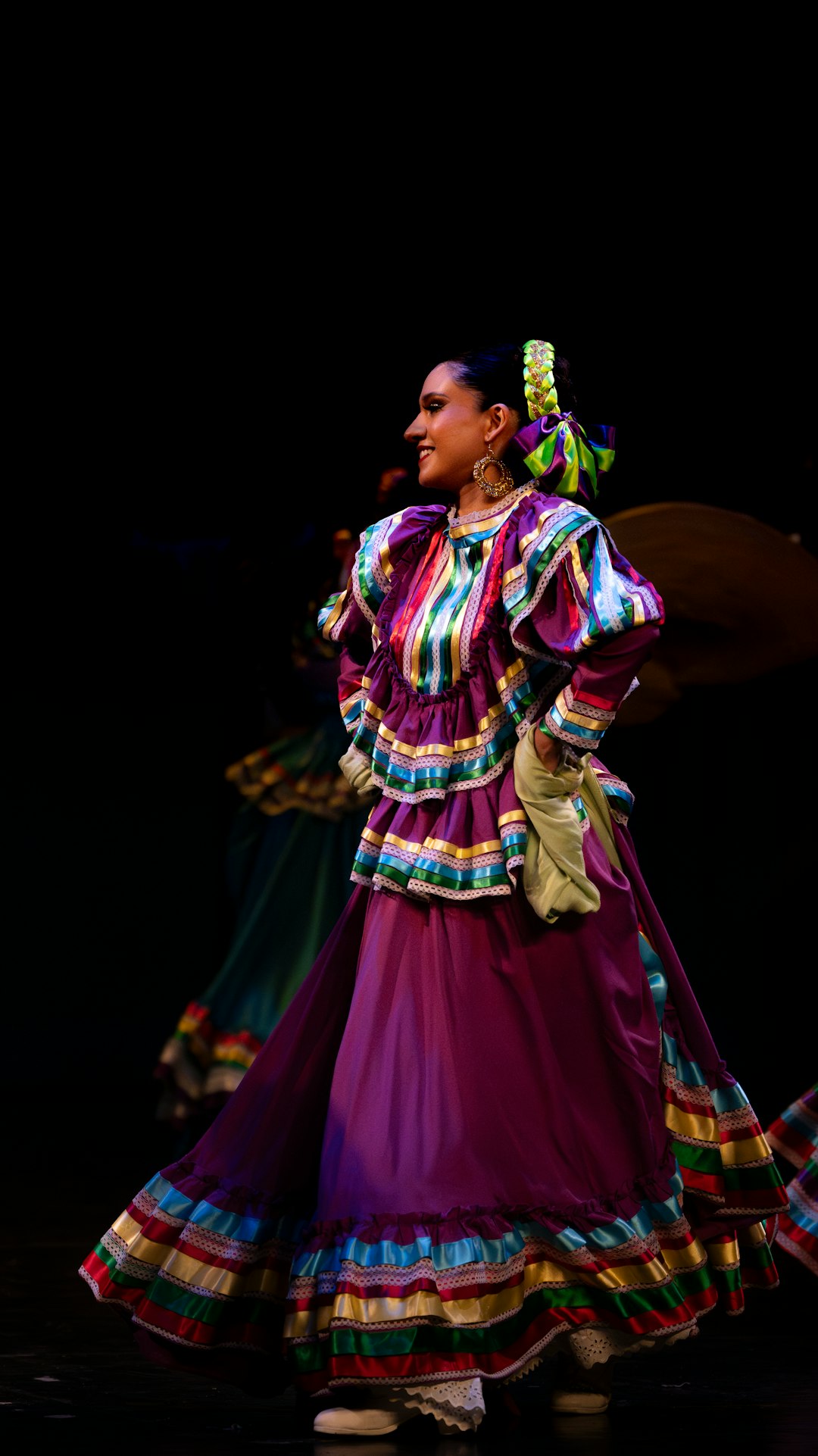
The first time I walked into a Bellflower milonga, I was wearing the wrong shoes. My sneakers squeaked against the hardwood as I hovered near the snack table, clutching a paper cup of lukewarm coffee and watching couples glide past in a quiet conversation of breath and movement. Nobody laughed. A woman in red heels caught my eye, nodded toward the floor, and ten minutes later I was stumbling through my first basic step with a stranger who smelled like cedar and peppermint. That was three years ago. Bellflower doesn't look like Buenos Aires, but on certain nights, in certain rooms, the distinction barely matters.
Start With the Small Rooms, Not the Big Names
If you're hunting for tango mastery through glossy brochures and celebrity instructors, you're missing the point of what makes this city's scene special. The real learning happens in cramped studios above auto shops on Artesia Boulevard, in community center basements with water-stained ceilings, inside converted martial arts dojos where the mirrors still show kick marks from the previous tenants.
Maria's studio—no website, just a handwritten sign on the door—runs beginner classes on Wednesday nights. She learned her craft in San Telmo and teaches the embrace like it's a language, not a formula. Her classes max out at eight couples. You won't get a certificate, but you'll learn how to listen to your partner's weight shift before it happens.
When You Want Structure Without the Attitude
Not everyone thrives on casual drop-ins. The Bellflower Community College dance program offers something rare: legitimate academic rigor without the conservatory price tag. Their tango courses sit inside a broader Latin dance curriculum, which means your tango teacher probably also knows salsa footwork and can explain why Cuban motion doesn't belong in a close embrace.
Professor David Chen—students just call him DC—has a reputation for being tough on posture but gentle on ego. His semester-end showcase isn't mandatory, but half his beginners usually sign up anyway. There's something about failing publicly in front of forty supportive strangers that accelerates your growth faster than another month of private mirror work.
The Real Classroom Is Social
Here's what the studio websites won't tell you: you don't actually learn tango in class. You learn it during the practica—the informal practice session after formal instruction ends—when the overhead lights come up and everyone admits they're confused. You learn it at the monthly milonga hosted in a converted church hall on Somerset, where a retired couple named Rosa and Guillermo have been dancing together for forty-one years and still argue about the tempo between songs.
Tango Nights, a loose collective rather than a formal school, organizes these gatherings. No enrollment fees. No level requirements. Just a ten dollar cover, a playlist that mixes Di Sarli with unexpected Piazzolla, and a room full of people who remember what it's like to be new. The first time a follow gently corrected my frame mid-dance, I understood why they call this a conversation.
Choosing Your Path
If you're brand new and terrified, start with the small studios. Look for classes labeled "absolute beginner" or "intro to embrace." Avoid anything promising mastery in six weeks—that's not how this dance works.
If you've got some mileage and you're hitting a plateau, the community college route gives you anatomy lectures and choreography theory that recreational classes skip. You'll understand why your lower back aches after thirty minutes, and how to fix it.
If you're broke but committed, show up to the social dances. Bellflower's tango economy runs on reciprocity. Dancers trade private lessons for help with website updates. Someone always needs a ride to the airport. The community absorbs people who show up consistently, regardless of what's in their wallet.
The Point Isn't Perfection
Last winter I watched a man in his seventies lead his wife through a simple eight-count basic at the holiday milonga. She moved slowly, recovering from knee surgery. He adjusted his embrace to take her weight, shortening his steps so she never had to pivot more than she could manage. The floor cleared around them, not because they were impressive, but because they were true.
That's what Bellflower teaches you, if you let it. The steps matter, sure. Musicality helps. But tango lives in the space between two chests, in the risk of standing close to a stranger and agreeing, without words, to move together through three minutes of music.
Your shoes will still squeak at first. Find the room with the creaky floorboards anyway. Someone there is waiting to dance with you.