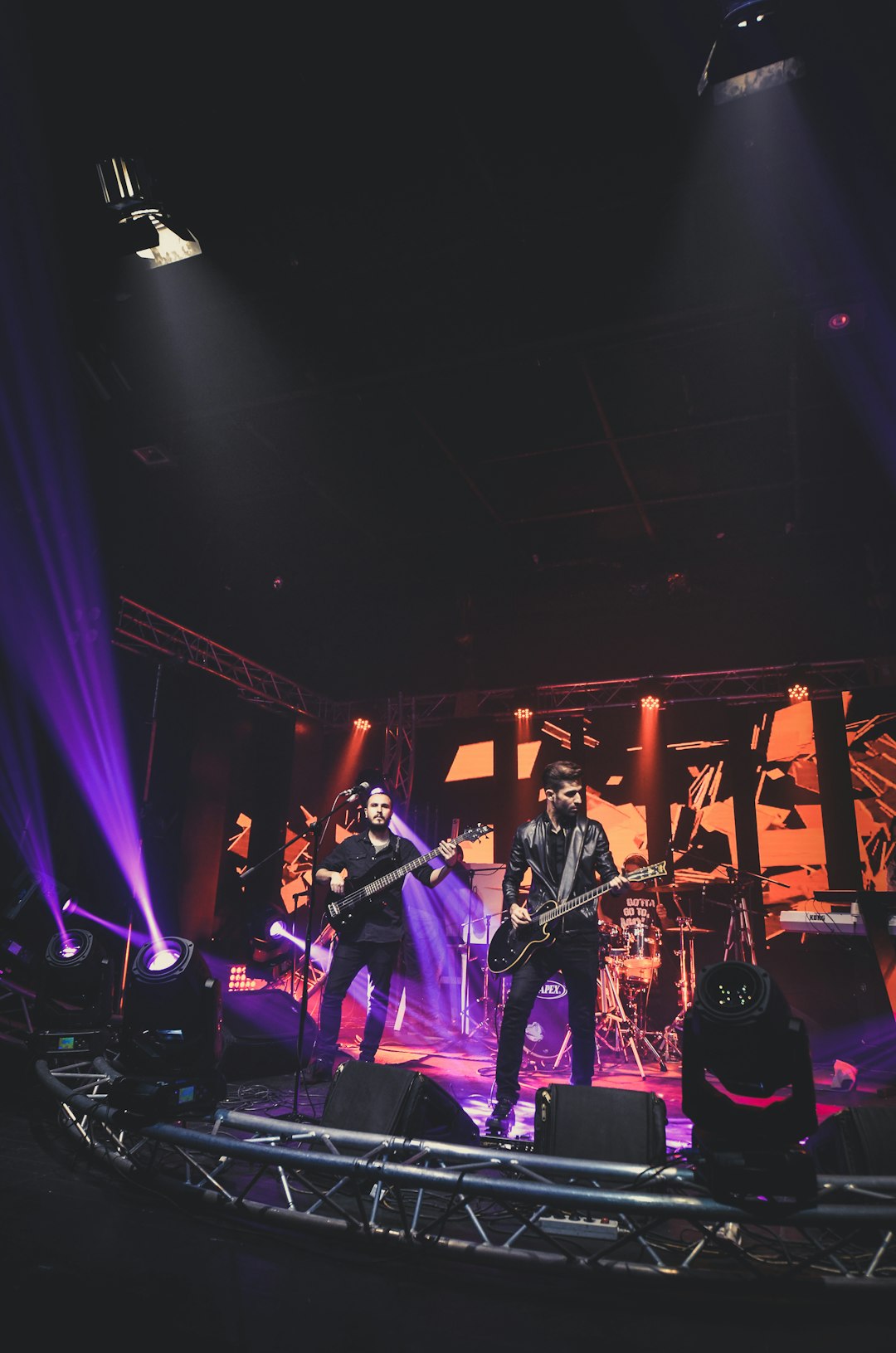
Your first night at the Cochiti Lake Folk Dance Academy, you’ll probably trip on the entrance rug. Everyone does. Maria, who runs the front desk, will laugh and tell you it’s an initiation. By 7 PM, the studio smells like rosin and the lavender tea she brews in the back room, and the floorboards—original pine from the 1980s—groan under your feet like they’re keeping rhythm.
That’s the thing about folk dance here. Nobody’s trying to sell you a polished, Instagram-ready experience. The studios in Cochiti Lake are messy, warm, and stubbornly human.
The Spots Worth Your Tuesday Nights
The Academy isn’t the only game in town, though it’s been the anchor since 2004. Their flamenco classes are legit—Instructor Rodriguez studied in Seville for three years and still mutters counting in Spanish when he thinks nobody’s listening. But don’t sleep on their Tuesday night Irish set dancing. It’s less about perfection and more about how fast you can recover when the ceili spin goes sideways.
Harmony Folk Dance Studio sits in a converted hardware store on Main Street, and they kept the original concrete floors. Cold in winter, perfect for African dance drumming sessions that vibrate up through your ribs. Amina, their lead instructor, has this rule: no mirrors during the first three classes. “You’re not here to watch yourself,” she told me once. “You’re here to feel where your body meets the drum.” They throw a quarterly potluck where someone always brings way too much red chili, and nobody complains.
Global Rhythms is where you go when your knees beg for mercy but your heart still wants to move. They specialize in international social dances—Argentine tango on Thursdays, Israeli hora on Sundays—and the median age skews higher, which means you’ll get partnered with people who actually know how to lead without yanking your shoulder out. The lobby has mismatched couches and a donation-based coffee station that runs on the honor system.
When You Want to Break the Rules
Folk Fusion Dance Collective meets in a warehouse behind the old rail yard. It’s not pretty—exposed brick, space heaters that work when they feel like it—but the choreography here is what happens when traditional steps get drunk and crash into hip-hop. Last month, they performed a piece that started with a Ukrainian Hopak and dissolved into something that looked like krump battling ballet. Half the audience didn’t know what to do with it. The other half stood up cheering.
This isn’t the place for purists. It’s for people who’ve spent years in traditional classes and need to vandalize their own muscle memory.
Keeping the Old Ways Alive
Then there’s Traditional Steps Dance School, tucked behind the library in a building that still has asbestos ceiling tiles nobody’s bothered to replace. Señora Garcia has been teaching ballet folklórico there for twenty-two years. Her skirts are heavier than they look, and she will make you do the basic zapateado until your calves scream. But she also knows every dancer’s name, their kid’s names, and who’s going through a divorce. Her classes are half technique, half group therapy, and she refuses to let the younger generation forget where these steps came from.
Showing Up Anyway
Nobody in Cochiti Lake cares if you have two left feet. What matters is that you keep showing up. Folk dance here isn’t a performance art you consume—it’s something you stumble through together. You’ll get the steps wrong. You’ll clap on the wrong beat during the hora. Someone will always help you find the downbeat without making you feel like an idiot.
The city doesn’t have a famous dance scene. It doesn’t need one. What it has are rooms full of people who believe that culture survives best when it’s sweaty, slightly disorganized, and shared between strangers who become friends.
So buy the shoes, or don’t. Wear sneakers. Wear boots with heels that catch in the floorboards. Just show up. The rhythm here has been waiting for you—it’s not going anywhere.