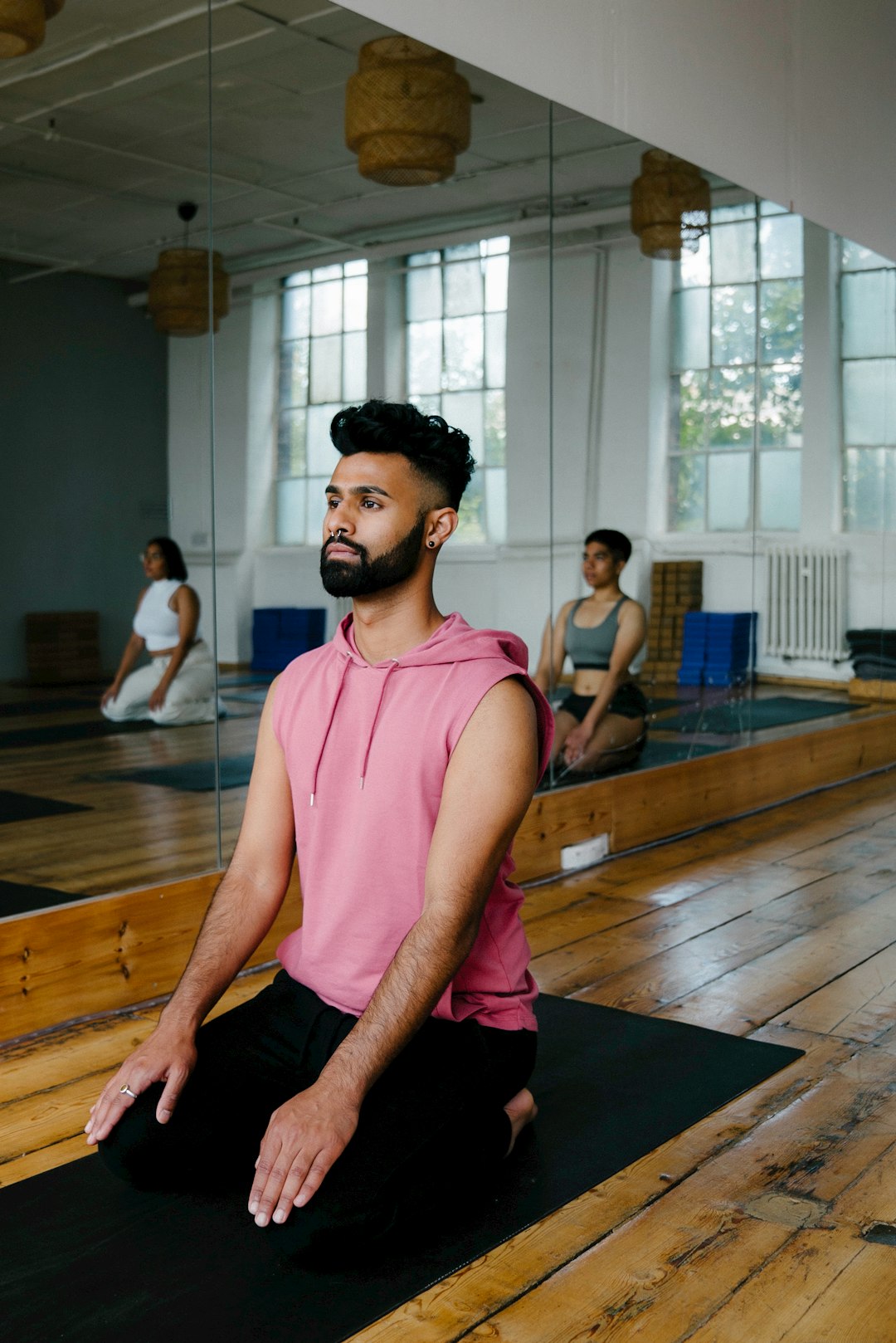
There's a moment in every lyrical dance class when the music shifts
The pianist's melody swells, and suddenly you're not thinking about pointed toes or straight lines anymore. You're just... moving. That's the magic dancers chase, and Elkhart City happens to have some of the best studios in the region for catching it.
Three studios have built real reputations here. Elkhart Dance Academy draws families who want solid technique without the pressure of competition prep. Walk into their evening classes and you'll see teenagers laughing between barre exercises, then completely transforming when the lyrical track starts. Graceful Moves Studio takes a different approach—they're the spot for dancers who've always felt a bit odd in traditional ballet classes, the ones who close their eyes during choreography and feel the music in their chest. Then there's Rhythm & Soul, where the walls are covered in photos from past performances and the instructors talk about "story arcs" and "emotional peaks" like they're directing a film.
What actually matters when you're picking a studio
The fancy mirrors? Don't matter. Sprung floors matter—a lot. If a studio has them, they'll mention it. If they don't, your knees will tell you after a few months.
Watch a class before you sign up. Not the advanced students—they'll make everything look effortless. Watch the beginners. Are they comfortable messing up? Does the instructor crouch down to correct someone's alignment, or shout corrections from across the room? That tells you everything about how you'll be treated when you're struggling.
Class size matters more than most people realize. Lyrical demands nuance—the difference between "sad" and "heartbroken," between "joyful" and "triumphant." You can't learn those distinctions in a room packed wall-to-wall with dancers. The studios that cap their lyrical classes at 12-15 students? That's intentional.
For the ones starting from scratch
You don't need ballet training to begin. Honestly, some of the most compelling lyrical dancers came from hip hop or had no dance background at all. What you do need is willingness to look silly sometimes, to fall out of a turn and laugh it off, to let your face show actual emotion instead of that "performance smile" competition dancers learn.
Your first few weeks will feel awkward. That's normal. Lyrical asks you to be vulnerable in a way most dance styles don't—there's nowhere to hide behind crisp technique or flashy tricks. You're just... you, moving through space.
The real reason to show up
Something happens when you find the right studio. You stop counting down the minutes until class ends. You catch yourself choreographing phrases in the grocery store aisle. The playlist on your phone shifts toward songs with lyrics that ache.
Elkhart's dance community isn't huge, but it's genuine. The dancers here show up for each other's showcases, swap music recommendations, argue about which Sara Bareilles song makes the best lyrical track. It's the kind of community that notices when you miss a week and asks if you're okay.
Find a studio whose vibe clicks with yours—not the one with the fanciest website or the most impressive trophies. The right space will feel like walking into a friend's living room, except there's Mariah Carey playing and everyone's barefoot.