The First Step Is Always the Most Awkward
I'll never forget watching my neighbor, Carlos, at the Fairbury Fall Festival last year. The man works in accounting. I've seen him explain tax deductions with the enthusiasm of a DMV clerk. But when that accordion hit and the guacharaca started scratching out its rhythm, something flipped. His feet became a blur. His hips found a groove I didn't know accountants possessed. By the second chorus, half the crowd had joined him in a spinning, laughing swarm under the string lights.
That moment cost me three weeks of pride and a pair of decent dance shoes. Because I had to know: what exactly are they teaching in Fairbury's Cumbia classes, and how do I get some of it?
More Than Steps—It's a Conversation
Cumbia didn't politely knock on Fairbury's door. It kicked it open sometime in the early 2000s, carried here by Colombian families who weren't about to leave their music behind. What started as backyard gatherings has grown into something the town genuinely guards with pride.
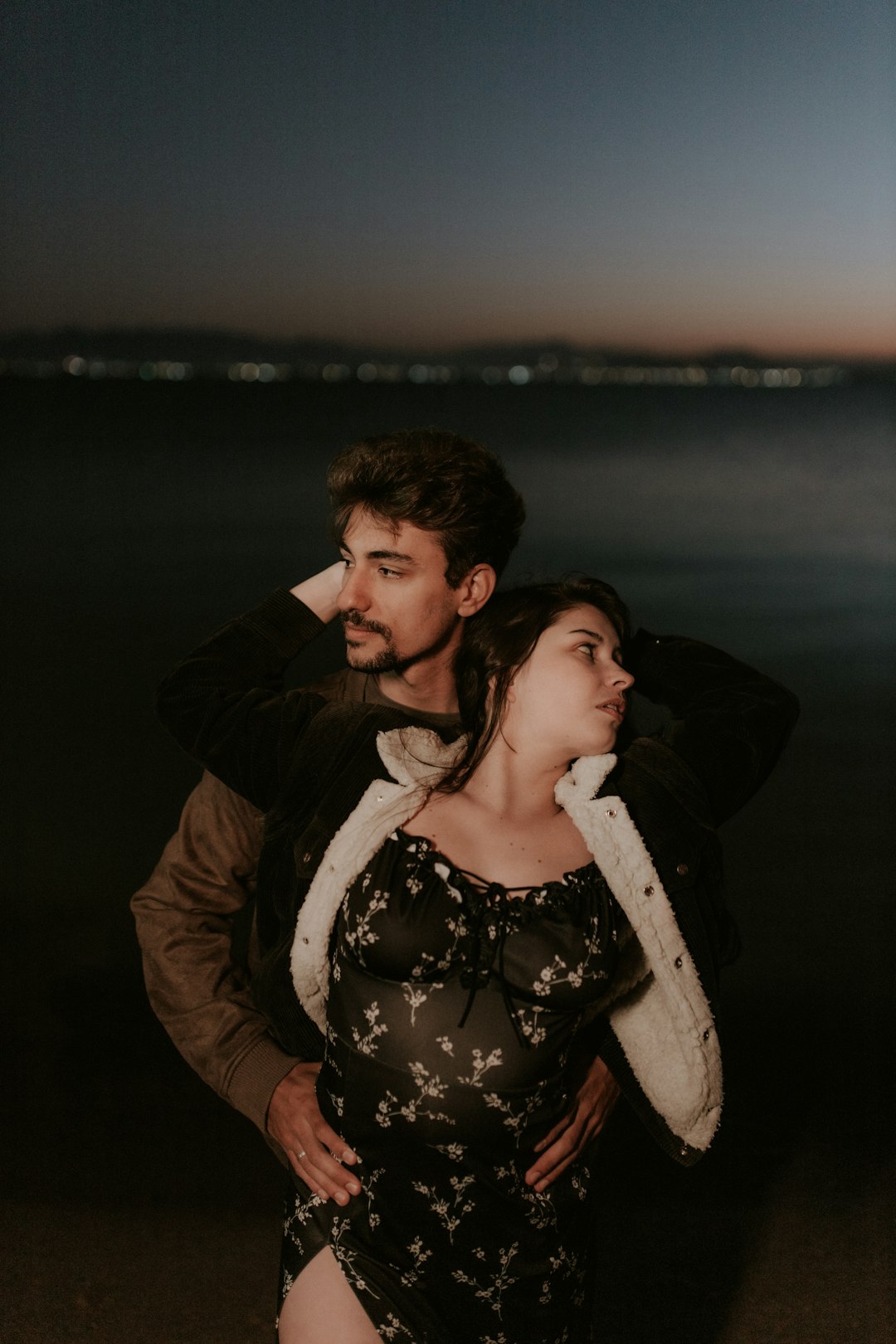
The dance itself? Think of it as a dialogue you're having with the floor, your partner, and a rhythm section that refuses to sit still. Your feet sketch out the pulse. Your upper body relaxes into the sway. There's a push and pull to partner work that feels less like choreography and more like a really good argument you're both winning.
Three Rooms, Three Vibes
Fairbury's Cumbia scene isn't one-size-fits-all. Depending on what kind of night you're trying to have, you've got options.
Fairbury Dance Academy runs the most structured program in town. Maria Elena Vargas, who founded the place in 2015, treats Cumbia history like required reading. You'll learn the coastal style versus the more urban interpretations. You'll drill footwork until your calves file a complaint. But when you finally nail that proper cumbia turn without stepping on your partner, you feel it in your spine. Students here talk about "the click"—that moment when the rhythm stops being math and becomes muscle memory.
Across town, Latin Groove Studio throws the rules out the window. Walk in on a Tuesday night and you'll find dental hygienists dancing next to college kids, everyone laughing at themselves in the floor-to-ceiling mirrors. Instructor Jake Ortiz has a gift for making beginners feel like they belong there. The studio's monthly Cumbia Social Nights are genuinely chaotic in the best way—live DJ, snack table, zero pressure, maximum joy. People bring their kids. Someone usually brings a dog.
Then there's DanceFit Fairbury, which solved a problem I didn't know I had. Their six p.m. Cumbia blast classes treat the dance like the workout it secretly is. Forty-five minutes of sustained movement, and you'll discover muscles in your obliques that have been hiding since high school. The playlist is relentless. The energy is almost aggressive. You'll be dripping sweat and grinning like an idiot by the cool-down.
What Actually Happens When You Show Up
Most newcomers worry about showing up alone. Don't. Half the class is solo dancers, and partner rotation happens naturally. You won't need special shoes right away—sneakers with a smooth sole work fine. Leave the heavy running shoes at home; they'll stick to the floor and fight you.
A typical class opens with ten minutes of loosening up your joints and finding the basic pulse. Instructors usually demo the foot pattern slowly: step together, step, rock back. It looks simple until the music starts and suddenly your brain can't talk to your feet anymore. That's normal. Week one feels like patting your head and rubbing your stomach. Week three, something loosens. By week six, you're the person other beginners are watching across the room.
The music itself carries you more than you'd expect. Cumbia has this built-in momentum, a forward-rolling groove that makes standing still feel wrong. Once your body locks into that pulse, the steps start arriving on their own.
Your Invitation to Sweat
Fairbury isn't the biggest dot on the map. We don't have a subway system or a professional sports team. But on any given weeknight, in one of three studios across town, you can find regular people transforming themselves into something rhythmic and alive.
Carlos still works in accounting. I still can't do my taxes without help. But last month at the studio social, I spun a complete stranger through a cumbia turn, and we both emerged breathless and laughing on the other side. That's the thing nobody tells you when you sign up for classes. You come for the steps. You stay for the moments where the music takes over and you finally stop thinking about how you look.
The accordion is warming up. Your spot on the floor is waiting.