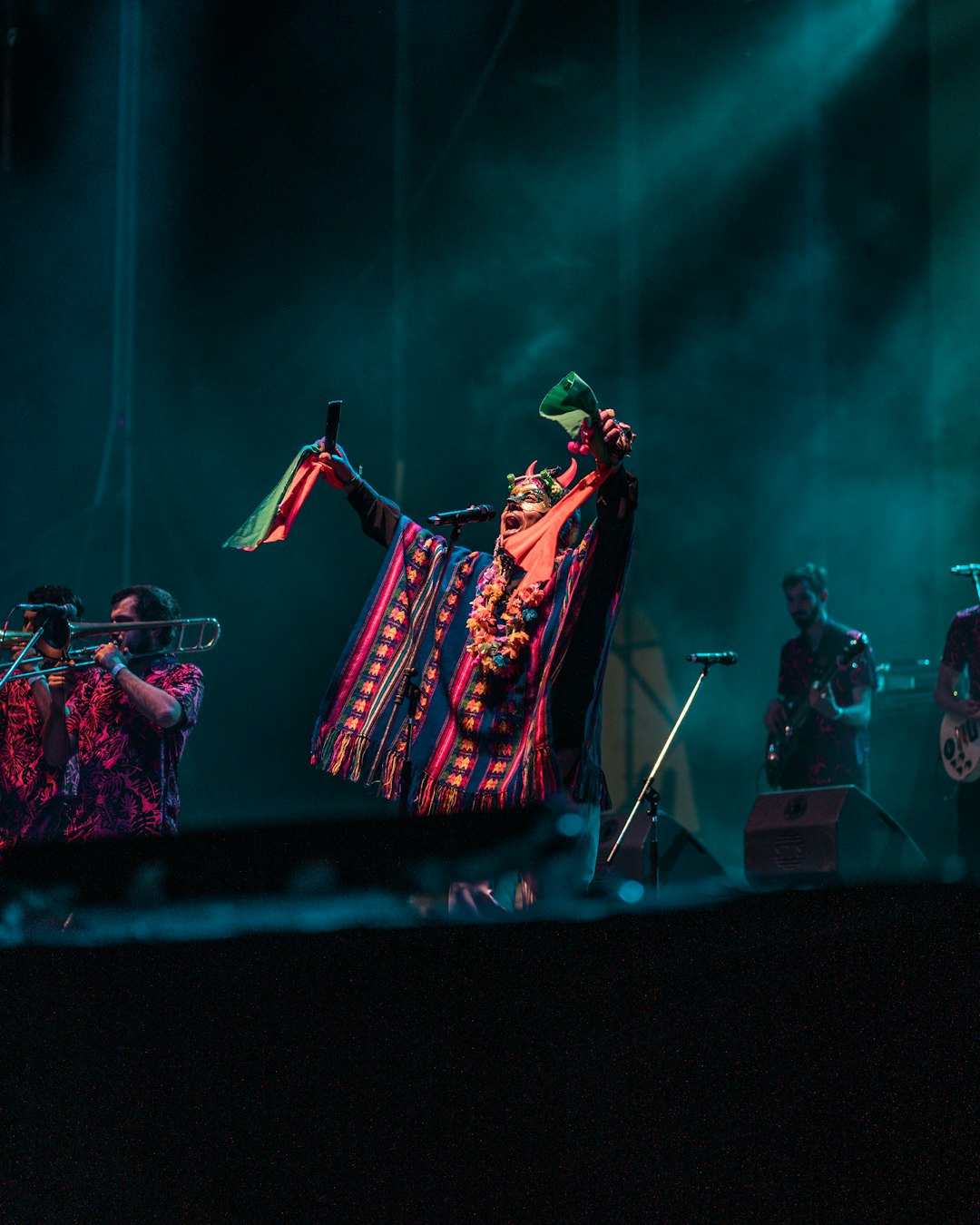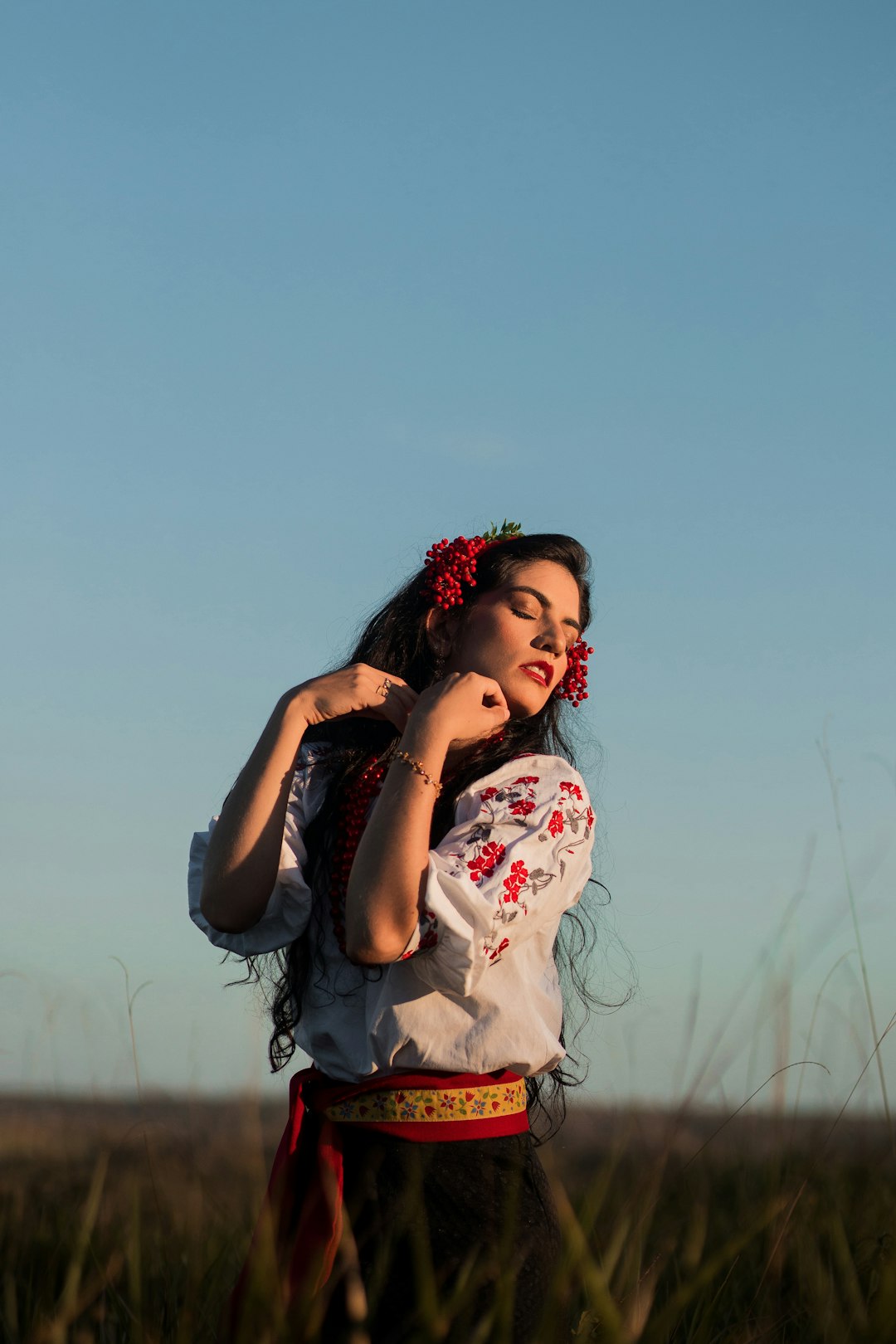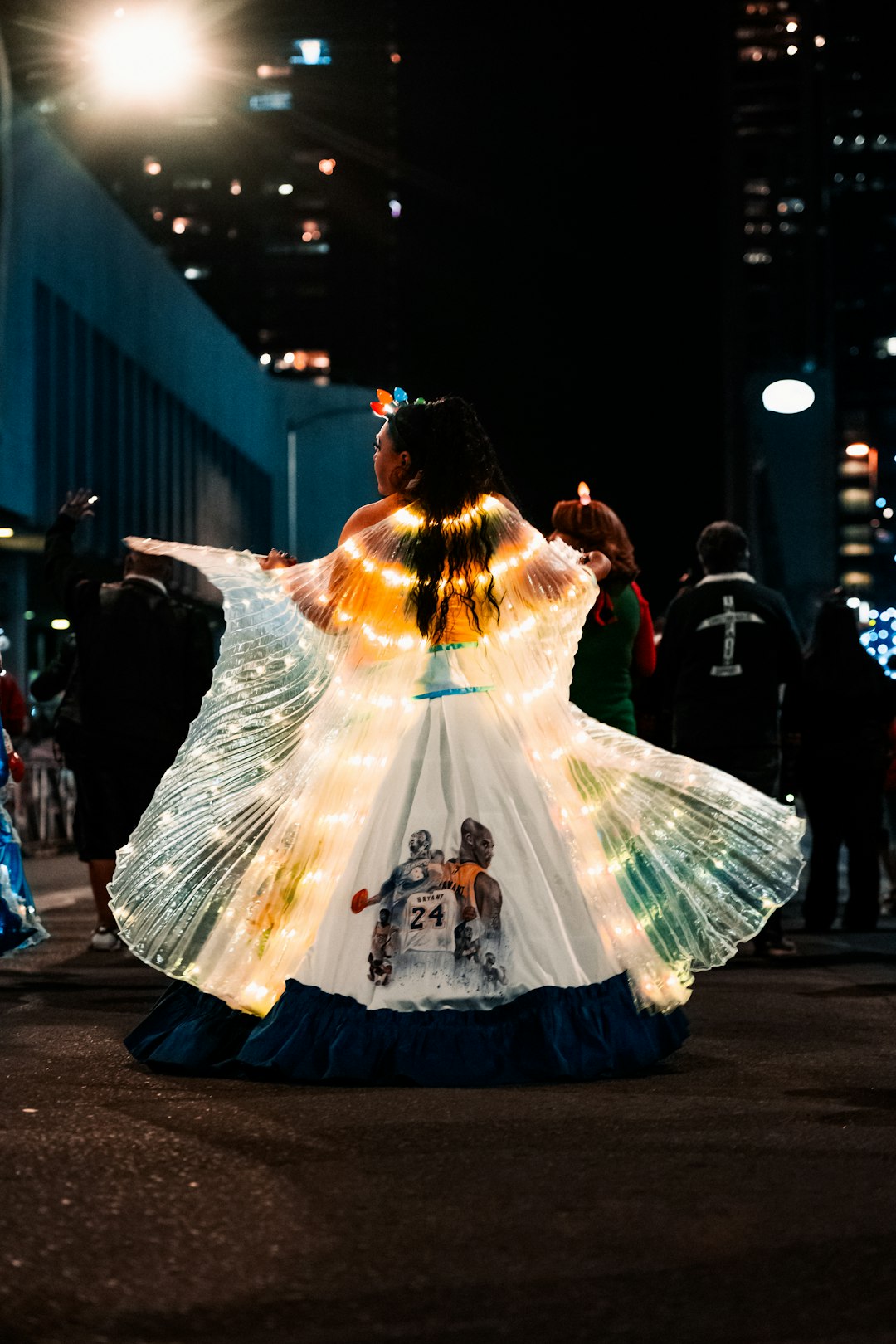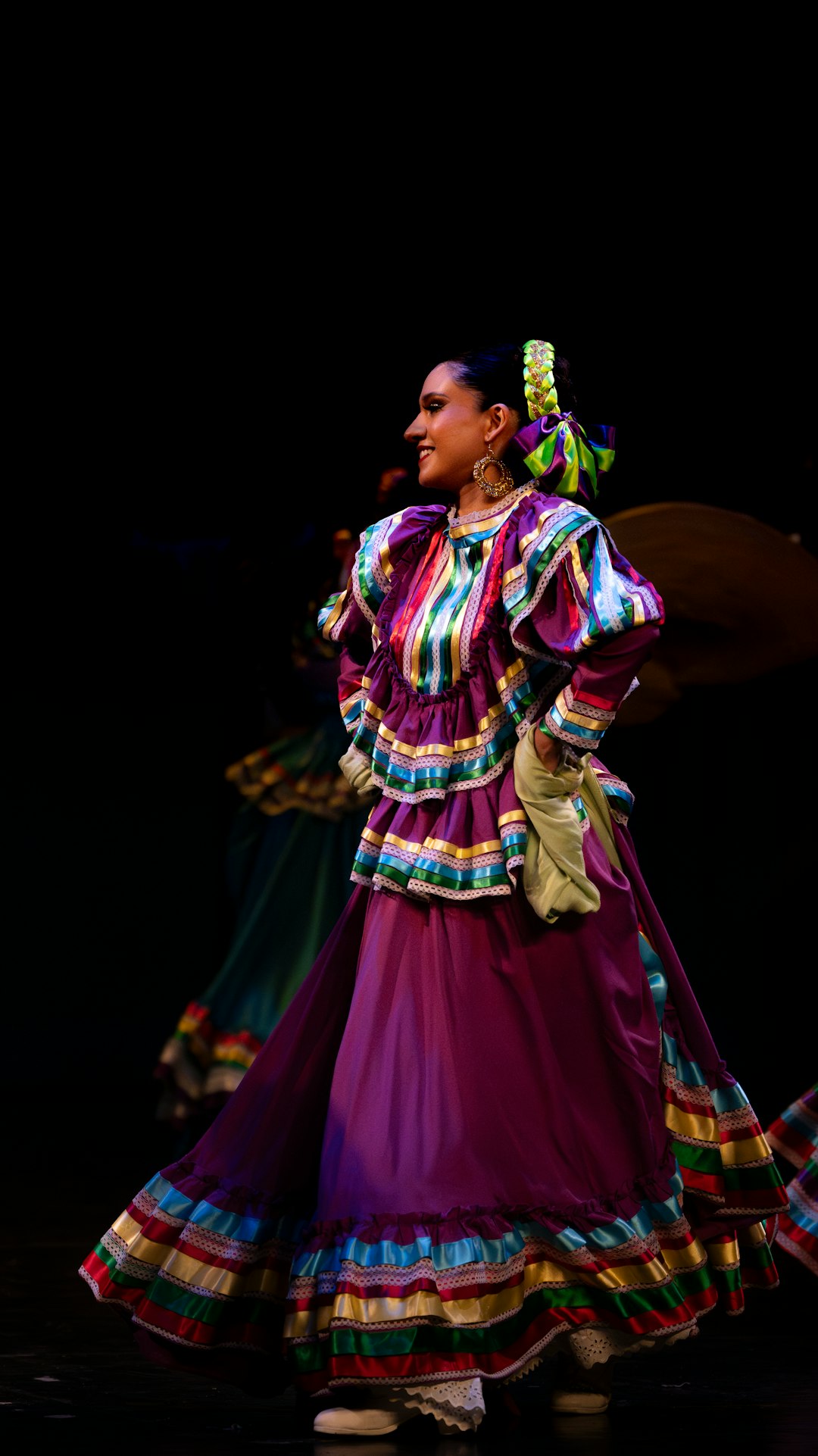
On a Thursday evening at La Pista Dance Studio, the lights dim and twenty pairs of dancers press into close embrace, their feet tracing slow, deliberate paths across the worn maple floor. This is the weekly milonga that has anchored Parkway City's Tango community since 2017—but it no longer tells the whole story. Across the city, at least three studios are now teaching Tango through radically different lenses, from VR-assisted solo training to fusion choreography that borrows from hip-hop and contemporary dance.
The Traditionalists
Tango arrived in Parkway City largely through the efforts of immigrant instructors and dedicated travelers. At Academia del Tango, co-founder Martín Ríos spent six years training in Buenos Aires before opening the studio in 2014. His beginner classes still enforce the strict fundamentals: the walk, the embrace, the weight transfer that makes a lead readable and a follow responsive.
"We don't skip the boring parts," Ríos says. "If you don't understand the walk, you don't understand Tango."
Ríos's approach has maintained a loyal following. Academia del Tango currently enrolls roughly ninety students across six levels, with many progressing to the studio's monthly milonga at a converted warehouse in the River District. The events typically draw 120 to 150 dancers, ranging from retirees who started in their sixties to twenty-somethings who discovered the dance through film or travel.
The Experimenters
Three miles east, at Kinetic Arts Collective, Tango shares curriculum space with aerial silks and breakdancing. Since 2022, instructor Dae Park has taught a class titled "Tango Recomposed," which applies contemporary floorwork and isolations to traditional Tango vocabulary.
Park, who trained in both Buenos Aires and Brussels, describes the class as "a conversation between disciplines, not a replacement." Students learn a standard ocho, then explore how to interrupt it with a contemporary release or a hip-hop drop. The result is not stage-ready fusion for everyone—some students return to more traditional studios afterward—but it has attracted dancers who might otherwise never try partner dancing.
In February 2024, five of Park's advanced students performed a Tango-contemporary piece at the Parkway Arts Festival's winter showcase. The choreography retained Tango's signature close embrace for roughly half its duration, then dissolved into solo phrases that echoed but did not replicate partner work. The audience response was divided, but the conversation it sparked was arguably the point.
The Technologists
The most conspicuous experiment is happening at Estudio Sur, where founder Ana Lucero launched a VR-assisted Tango program in late 2023. The setup is less futuristic than it sounds: beginners wear headsets during solo drills to study a projected follower's footwork from multiple angles, including an overhead view impossible to achieve in a standard mirror-facing class.
"Lead-follow can't be learned alone," Lucero acknowledges. "But placement, timing, and body awareness? Those can accelerate dramatically when you see the movement from inside, not just in front of you." After four weeks of VR prep, students transition to in-person partner work. Lucero says the crossover retention rate has climbed from 55 to 78 percent since introducing the headsets.
The program has also reached a small but growing remote audience. Three subscribers in rural Montana currently join the VR drills via streamed sessions, though Lucero admits she's still figuring out how to build them toward in-person partner dancing at a distance.
What Holds It Together
Despite their differences, Ríos, Park, and Lucero all operate within a single ecosystem. Students cross-register. Instructors occasionally guest-teach at rival studios. And on the first Friday of each month, the three studios jointly host Milonga Unida, a rotating social dance that draws anywhere from eighty to two hundred dancers depending on location and season.
The event has no cover charge for first-timers, a policy all three owners agreed to in 2022. "We compete for students Monday through Thursday," Ríos says. "But on Friday, we're building the same community. Without that, none of us survive."
For newcomers, the entry points are multiplying. Traditional classes still dominate enrollment, but the alternate tracks—contemporary fusion, VR prep, even a six-week "Tango for Salsa Dancers" intensive that Academia del Tango piloted last fall—are expanding who shows up and how they stay.
The common thread is harder to market than technology or fusion choreography: the negotiation between two bodies in real time. Whether learned through a headset, a contemporary floor sequence, or a decade of close-embrace practice, that conversation remains the center of the form.
Ready to try it? La Pista's Thursday milonga offers a free beginner lesson at 7:30 p.m. before the social dancing begins. No partner required.