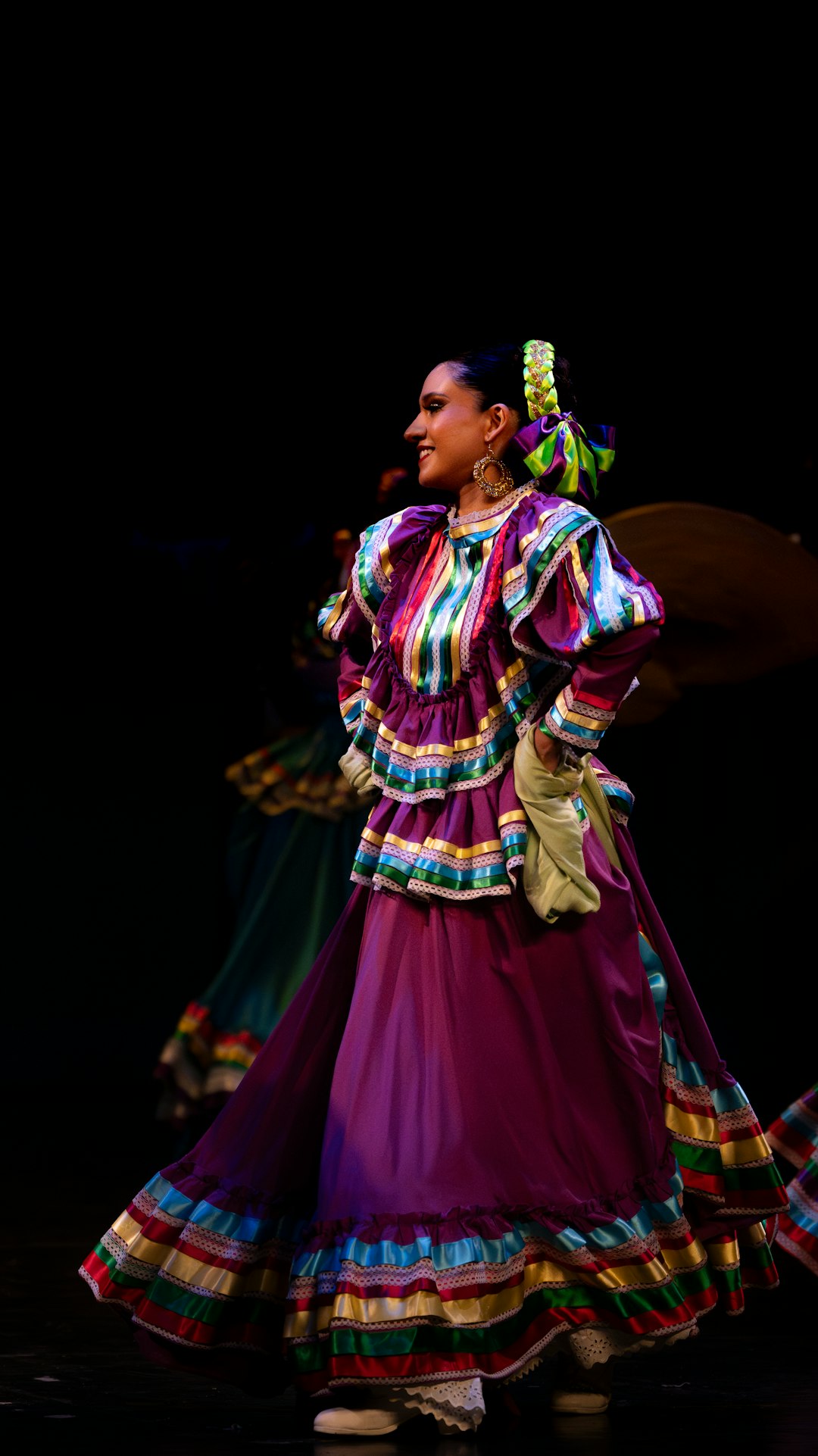
There's a moment in tango when your partner's chest rises beneath your hand, the bandoneón sighs through the speakers, and suddenly your feet know something your brain hasn't caught up with yet. That's the moment every dancer chases — and in Aripeka City, you've got real options for finding it.
Not the watered-down, follow-the-instructor shuffle you might have tried at a resort once. Actual tango. The kind where you stop counting steps and start having a conversation without words.
The Academy That Takes the Craft Seriously
Aripeka Tango Academy has earned its reputation the slow way — by refusing to cut corners. Their beginner track alone runs twelve weeks before they'll even whisper the word "milonga." Instructors drill posture, embrace, and musicality as separate skills before asking anyone to combine them. It sounds tedious until you realize you're building a foundation that won't crumble the second you hit a crowded dance floor.
The advanced workshops dig into milonga and vals, not just tango proper. Students who stick around past the first year tend to move differently — more grounded, more relaxed, more responsive.
A Studio That Borrows From Everywhere
DanceSphere Studio doesn't treat tango like a museum piece. Their instructors pull from contemporary movement, contact improvisation, and even flamenco to shake dancers out of rigid patterns. One regular Tuesday class had students walking backward in ochos while blindfolded, relying entirely on pressure and frame from their partner. Unusual? Absolutely. Effective? The studio's waitlist speaks for itself.
Guest teachers cycle through every couple of months — last season featured a Buenos Aires choreographer who spent a week unpacking the cabeceo and why it matters more than any step sequence.
More Than Steps on a Floor
Tango Pulse leans into the stuff other studios skip. History nights. Listening sessions where you break down orchestras by ear — D'Arienzo's driving rhythm versus Pugliese's aching pauses. Philosophy discussions that start with Gardel and end somewhere around vulnerability and trust.
Sounds pretentious on paper. In practice, it's a Thursday evening with empanadas passed around while someone plays a 1935 recording and asks, "What do you hear first?" Dancers leave Tango Pulse not just better technically, but more connected to why this dance exists in the first place.
The Place That Won't Let You Sit Down
Rhythm & Soul runs on momentum. Classes bleed into practicas, practicas bleed into weekend milongas, and somehow you're dancing three nights a week without meaning to. The head instructor, a former competitive dancer with zero patience for self-consciousness, has a gift for getting beginners onto the social floor before they feel "ready."
That's the trick, really. You're never ready. You just start.
Small Rooms, Big Progress
The Tango Room keeps things tiny — six couples max per session. You can't hide in a group that small, and the instructors won't let you. Private corrections happen mid-dance: a hand repositioned on someone's back, a weight shift adjusted by a single inch. The studio itself feels like someone's living room that happens to have a sprung floor and a killer sound system.
Perfect for dancers who've plateaued and can't figure out why.
The Real Answer
Here's what nobody tells you when you're shopping for tango instruction: the "best" studio is the one that makes you show up on a rainy Tuesday when you'd rather stay home. Aripeka has enough variety that you can find that place. Walk into a few. Take a trial class. Notice which room makes you forget to check your phone.
The shoes don't matter yet. The music does. Go listen.