You can hear Cedar Key before you see it. Beyond the cry of gulls and the slap of waves against weathered docks, there’s another rhythm—footsteps on wooden floors, the swirl of a skirt, the infectious laughter that spills out of open doorways on humid evenings. This isn't just a fishing village; it's a town that dances. And you don't need to be an expert to join in.
The heartbeat of it all might be found at the Cedar Key Cultural Center. Step inside on a Tuesday night, and you'll find a retired shrimper patiently teaching a group of teenagers the steps to a Scandinavian polska. The air smells of lemon oil and old wood. They’re not just moving their feet; they’re tracing stories of immigrants who brought these steps across oceans generations ago. The center doesn’t just offer classes—it hosts "dance swaps" where a Cajun two-step might trade places with a Greek kalamatianos before the night is over.
Then there’s Rhythmic Roots Studio, tucked behind the garden of a seafoam-green cottage. It’s run by Anya, a woman whose hands speak as much as her feet. Her specialty? The subtle, grounded folk dances of the Balkans and Georgia. Don’t expect a drill sergeant. Her studio feels like a spirited living room session. She’ll press a cup of mint tea into your hand and say, "Forget the count. Listen to the dumbek. Let the drum tell your ankles what to do." Beginners leave feeling like they’ve unlocked a secret language their body already knew.
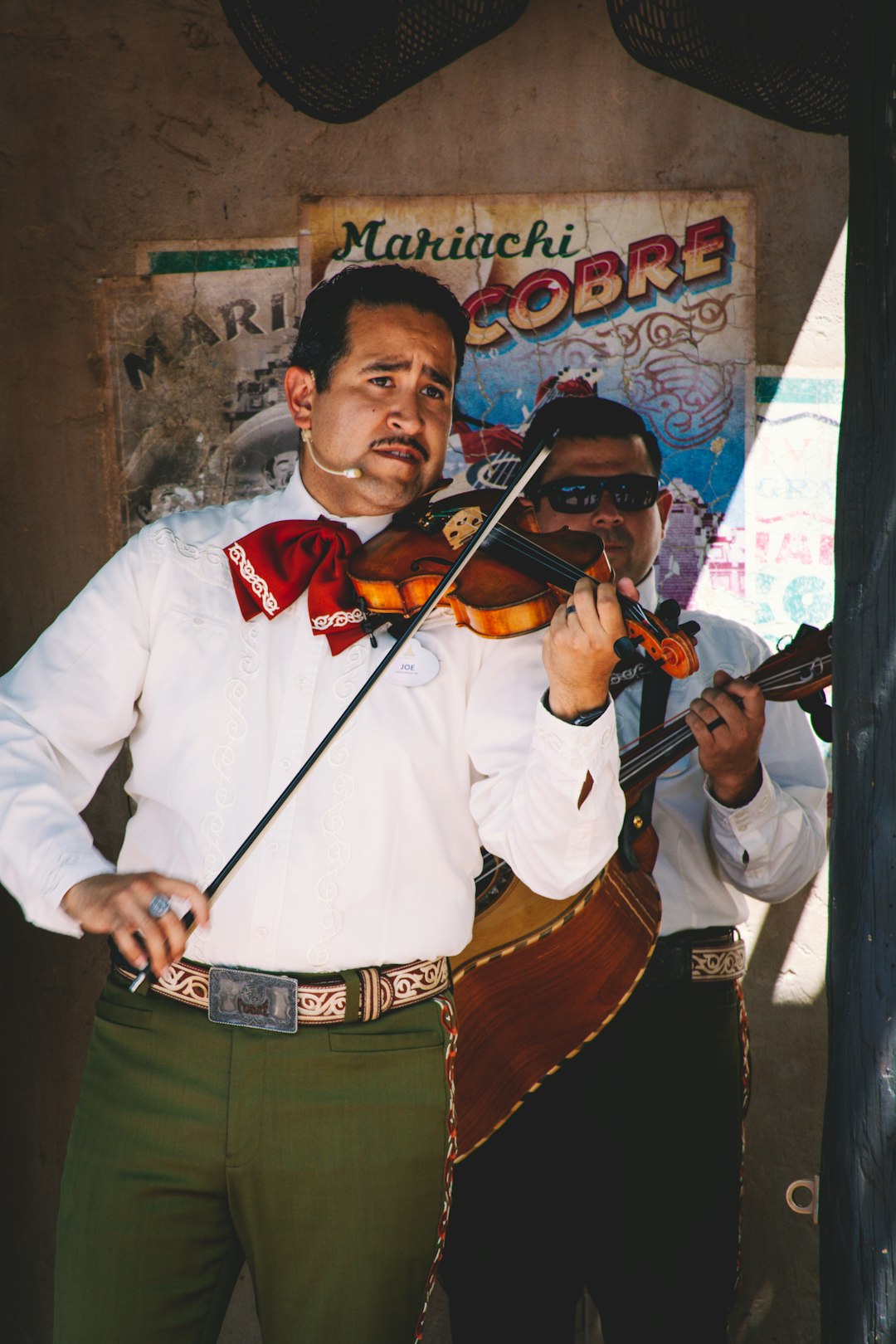
But the most magical moments often happen unplanned. The Folk Dance Collective isn't a building with a sign. It’s a rotating potluck that meets at the community pavilion, in a supporter’s barn, or on the packed sand of a quiet beach at sunset. Someone brings a fiddle, another an accordion. There’s no instructor, just a circle of neighbors guiding each other through the steps of a Scottish reel or a simple, joyful Mexican son. A fisherman might stomp out the rhythm of a German Schuhplattler, his slaps echoing over the water. Here, dance isn't a lesson to be mastered; it’s the glue of the community itself.
What makes Cedar Key’s scene unique isn’t polished studios or trophy cases. It’s the understanding that these dances are living, breathing things. They’re as much a part of the local landscape as the cedar trees and the tidal flats. You learn a jig not to perfect it, but to feel the same joy someone a hundred years away felt on this very land.
So, come with two left feet. Come with curiosity. The fiddles are tuning, the floorboards are waiting, and Cedar Key is ready to show you how a town moves when it dances with its whole history in its heart. Just follow the sound of the stomp and the laugh on the salt-tinged air.