The first time I watched Earlene Watts move across the floor at the Munson Community Center, I thought: this is what happiness looks like. She was seventy-three years old, had two new knees, and was absolutely demolishing a Cajun two-step to a scratched vinyl recording of BeauSoleil. Nobody told her she was too old. Nobody told her the floor was too crowded. She just moved, and the rest of us made room.
That's the thing about folk dance in Munson City — nobody's watching the door.
More Than a Step, It's a Story
I get it. When someone says "folk dance," your brain probably goes somewhere predictable: school gymnasium, weird costumes, that one unit in phys-ed where you learned a square dance and spent the whole time trying not to hold the wrong person's hand. Forget all that. The folk dance tradition in Munson City isn't a museum piece. It's alive, breathing, spilling beer on the floor and laughing when someone takes a wrong turn.
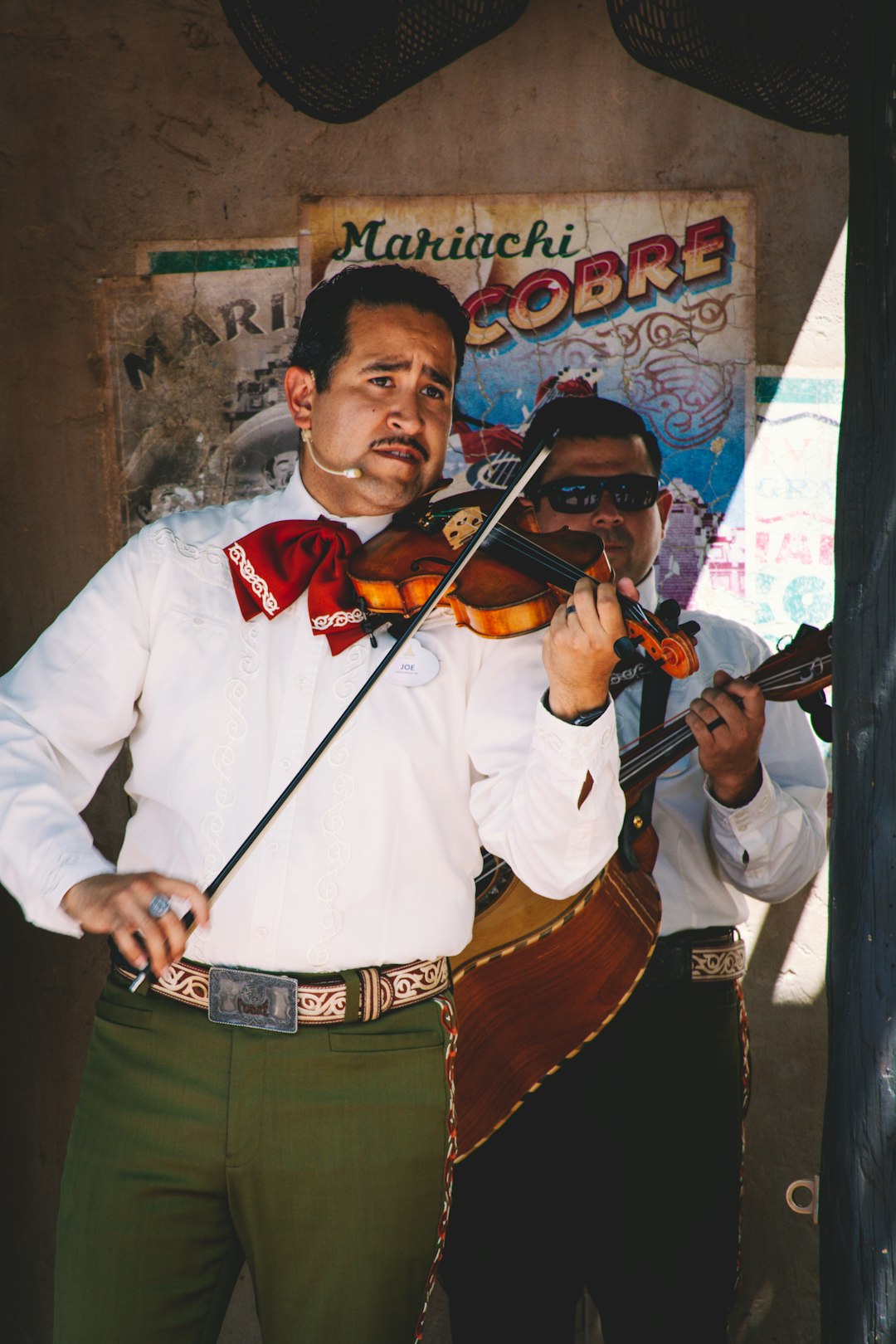
Folk dance here means something different depending on who you ask. For Manuel Rosario — the Cajun accordion player who's been playing at the Wednesday night jams at Palmetto Park for sixteen years — it's about the conversation between musicians and dancers. "You learn to listen," he told me once, mid-set, slightly out of breath. "The dance isn't just your steps. It's how you respond to what the music does." He's right. That's the part nobody puts in the brochure.
For the Caribbean families who settled along the southern edge of Munson City in the seventies and eighties, folk dance means the syncopated rhythms of quadrille and bele, the kind of movement that comes from somewhere deep and collective. Floribbean Dance Studio, run by sisters Denise and Camille Toussaint, teaches these traditions with the kind of rigor you'd expect from conservatory training but with none of the pretension. Their Saturday morning sessions are packed — retirees, kids on summer break, a surprisingly competitive group of teenagers who discovered the footwork connects to Haitian dancing on TikTok and traced it backward.
The Places That Matter
Let's be honest: knowing folk dance exists and actually finding where it happens are two different things. Munson City's dance infrastructure isn't Instagram-friendly. You won't find it by searching "folk dance near me." You find it the way everyone else does — someone mentions it, you show up, and then you're there every week for the next five years wondering how this became your life.
The Munson Community Center on Cypress Avenue is the reliable one. Every Thursday evening, from six to nine, the back hall fills with folding chairs pushed against the walls and a borrowed sound system that crackles when the humidity rises. Donna Marsh runs the session with the patience of someone who has seen every mistake possible and decided they were all fine. Beginners are welcome. Seriously. Last month a man named Gerald showed up in flip-flops and cargo shorts having never danced before. By the end of the night, he was doing a passable approximation of the Virginia reel, grinning like he'd discovered fire.
Heritage Dance Academy is the more serious option — and I say that with love. If you've ever wanted to understand why a particular dance developed the way it did, what historical pressures shaped the footwork, what migration patterns brought a tradition from the British Isles to the Florida panhandle, Heritage is your place. Janet Whitfield teaches with the intensity of a university lecturer and the warmth of someone who genuinely wants you to care. Her winter series on Appalachian clogging sold out in two days. Students showed up with notebooks.
Getting Your Hands Dirty
Here's the thing about folk dance that surprises people who come from other dance backgrounds: you don't wait for someone to teach you everything. A huge part of the tradition is watching, jumping in, and being willing to look foolish. The community events in Munson City reflect this.
The Annual Folk Dance Festival in October is the big one — three days, multiple stages, dancers traveling from Tallahassee and Savannah and the Carolinas. But the real magic of the festival isn't the performances. It's the open floor. At some point on Saturday afternoon, someone plugs in a portable speaker, and suddenly there are thirty people who have never danced together trying to figure out the same polka, laughing when they collide, figuring it out anyway. That's the tradition. That's what it's always been.
Monthly dance jams at Riverside Pavilion are lower-key but equally important. Bring a lawn chair, bring a partner if you have one, bring nothing if you don't. The live band — rotating players, never the same twice — will play until they get tired or the city tells them to stop, whichever comes second. Last summer I watched a woman named Patricia teach a dozen strangers a merengue variant she'd learned from her grandmother in Kingston. Nobody had sheet music. Nobody had choreography. They just moved, and by the third song, it looked like they'd been doing it together for years.
The Honest Truth
Nobody does folk dance because it's efficient. You could get better cardio at a gym. You could learn more technique in a ballet studio. You could find more structured programming in a dozen other places.
But folk dance does something else. It puts you in a room with people who are choosing to be there, doing something old and strange and a little bit awkward, trying to keep up with music that doesn't wait for you. It connects you to a version of your community that existed before you and will exist after, if people keep showing up.
Earlene Watts is still dancing. I've seen her at least twice a month for the past three years. She told me once that her doctor recommended she cut back on the two-step because of her knees. She told her doctor that her knees were her business.
She's right about that too.
---
If you're in Munson City and want to explore the dance scene, start with a Thursday night at the Community Center. No experience needed. No partner required. Just show up and see what happens.