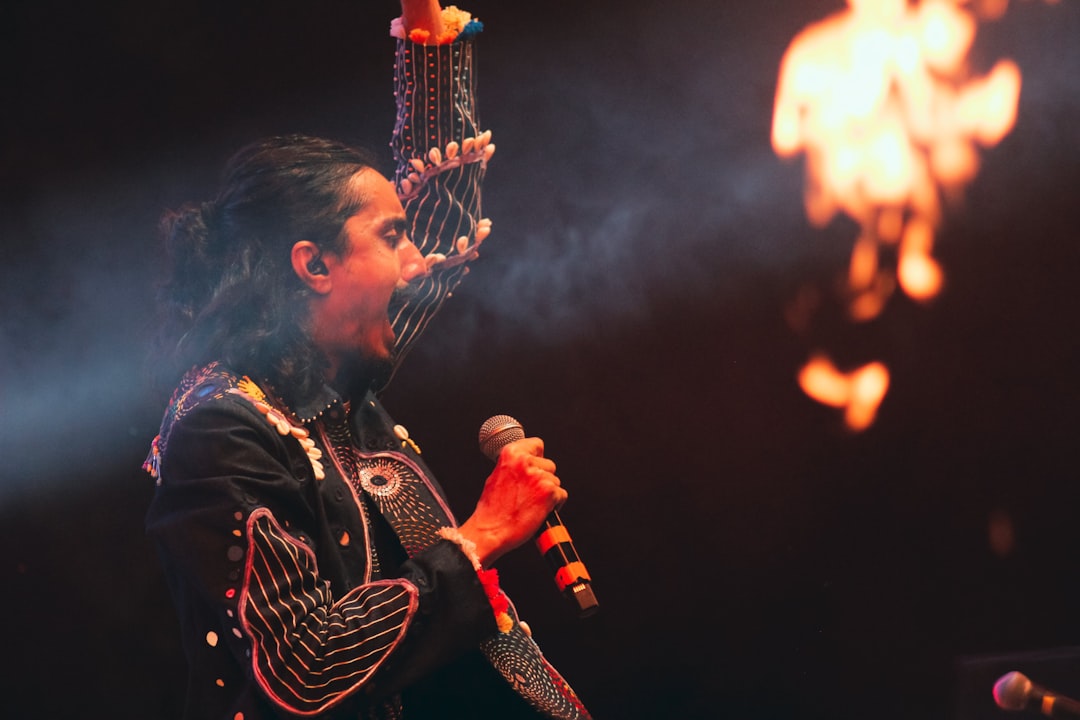
The first time you hear the berimbau thrum in a Sioux Falls studio, it feels like a beautiful paradox. That deep, vibrating wire—calling from the heart of Brazil—echoes against walls overlooking miles of South Dakota sky. This isn't just a workout; it's a conversation between continents, happening right here in the heartland.
Forget what you think you know about the Great Plains. Beyond the cornfields and memorials, a different kind of history is being played out in a circle called a roda. Capoeira, that mesmerizing blend of game, dance, and martial art, hasn't just arrived here—it's put down roots and started to flourish.
Take a drive down a Sioux Falls side street, and you might miss the unassuming entrance to the Prairie Warriors Capoeira Academy. Step inside, though, and the energy is unmistakable. You'll see a ten-year-old practicing a ginga (the fundamental swaying step) next to a retired rancher learning his first escape move. The instructor, Mestre Corisco, speaks about Capoeira not as a sport, but as a "living library" of movement and music. Their outreach programs in local community centers are quietly introducing this Afro-British art to a whole new generation.
Then there's the Mount Rushmore Capoeira Center, tucked away in the Black Hills. Imagine training with the scent of pine in the air, your au (cartwheel) framed by the vast, silent forest. It’s less a gym and more a retreat. People come for weekend workshops, staying to hike and absorb the stillness, finding that the rhythm of Capoeira pairs surprisingly well with the rhythm of nature.
But Capoeira isn't just kicks and flips. The soul lives in the music. At the Dakota Acrobatics and Music School, they get this completely. Here, learning the berimbau, the pandeiro (tambourine), and the call-and-response songs is just as important as mastering a headstand. You might walk in during a class and find a circle of students, instruments in hand, their voices weaving the old Portuguese lyrics that dictate the style and speed of the game unfolding in the center.
What’s really happening in these spaces is more than fitness. It’s connection. In a region where communities can feel spread out, the roda becomes a powerful gathering place. You’ll see farmers debating the best way to cook feijoada with software engineers, all while clapping to the same beat. The shared struggle to learn a new movement, the collective laughter when someone falls—it breaks down barriers in a way few other activities can.
The future here isn’t about becoming a Capoeira mecca on par with Rio. It’s about something uniquely South Dakotan: integrating this vibrant tradition into the existing cultural fabric. Teenagers are forming their own baterias (instrument groups) in high school music rooms. Families are making Saturday morning rodas their new tradition.
The circle of the roda is endless, with no corners to hide in. And here, under the endless prairie sky, that circle is getting wider every day. The berimbau calls, and more and more, the heartland is answering.