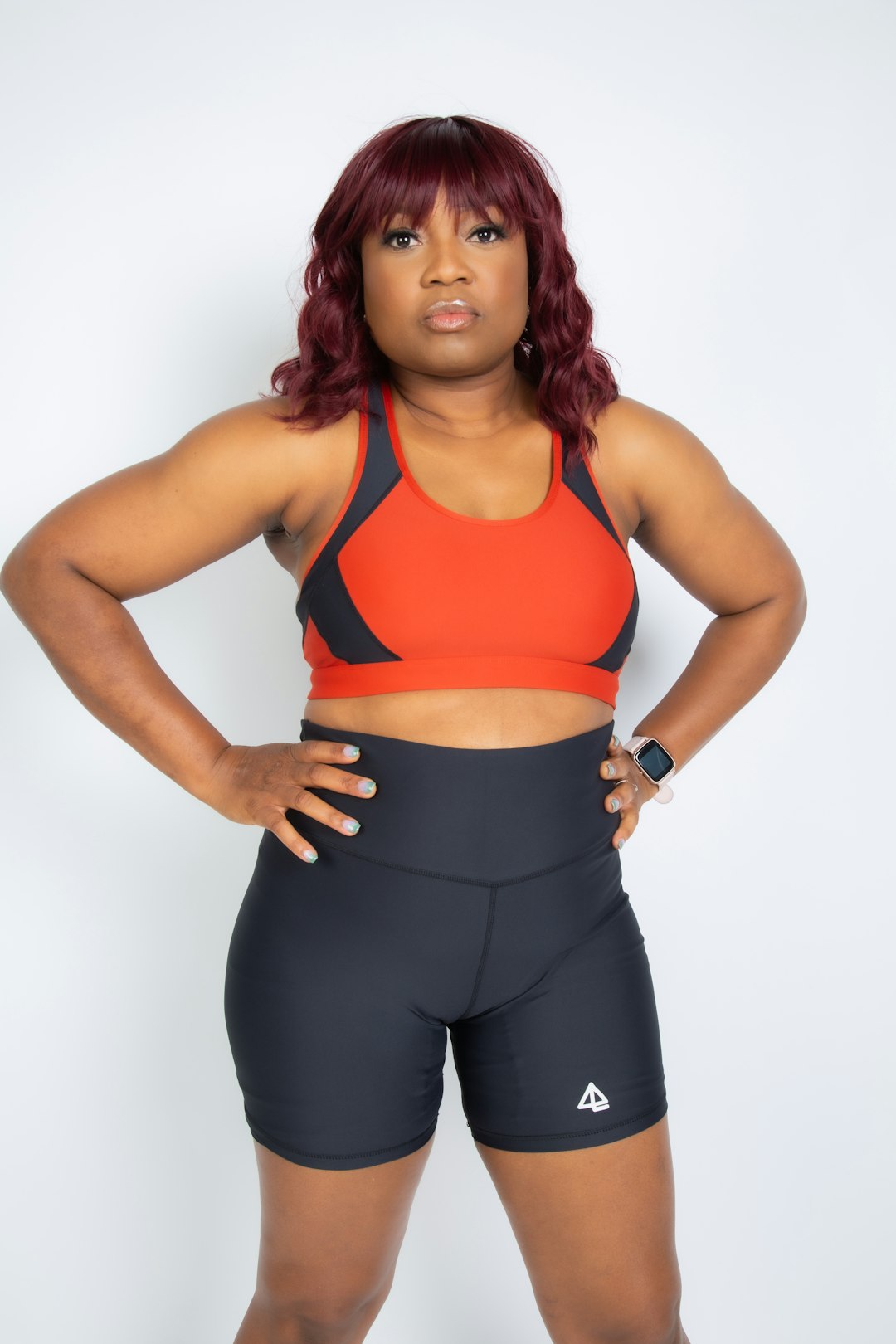
Why Stark City Keeps Producing Incredible Jazz Dancers
Walk into any audition in the tri-state area and you'll notice something. The dancers who grew up training in Stark City move differently. There's a looseness in their shoulders, a musicality in their phrasing that feels effortless. That's not an accident—it's the result of a dance ecosystem that's been quietly building itself for decades.
Stark City never got the spotlight the way New York or LA did. And honestly? That worked in its favor. Studios here had to earn students through word-of-mouth, not flashy Instagram ads. The instructors stuck around because they actually wanted to teach, not because they were waiting for their big break on Broadway.
What Makes Jazz Dance Worth Learning in the First Place
Forget what you've seen on competition reality shows. Real jazz dance isn't about tricks and acrobatics thrown together with a smile. It grew out of social dances in African American communities—moves that carried history, resistance, and pure joy in every beat.
The best jazz dancers I've watched in Stark City understand this. They don't just execute steps. They listen to the music like it's having a conversation with them. A good turn isn't just a turn—it's an answer to a saxophone riff. A sharp isolation isn't just technique—it's attitude made visible.
That kind of connection takes training. The right training.
The Studios Worth Your Time (And Why)
Rhythm & Soul Dance Academy
Tucked on Elm Street downtown, Rhythm & Soul has been around long enough that some of its earliest students now send their own kids there. That says something.
What sets it apart isn't the fancy sprung floors (though those are nice on your knees). It's the faculty. These aren't choreographers who teach on the side while chasing performance careers. They're educators first. Ms. Delacroix, who runs the jazz program, has a way of breaking down a syncopation pattern until your body just gets it. No yelling, no boot-camp energy. Just clear, patient instruction.
They run a proper leveled system—real levels, not just "beginner" and "advanced" with nothing in between. If you've never taken a dance class, you won't be thrown in with someone prepping for a professional audition.
Urban Groove Studio
This one's for the dancers who hear a Kaytranada track and immediately start moving. Urban Groove leans contemporary in its jazz approach, pulling from street styles and commercial choreography without losing the fundamentals.
The owner, Marcus Hill, danced on tour with a few major R&B acts before coming home to Stark City. His classes reflect that—there's a swagger to the movement vocabulary here that you won't find in a more traditional studio. Classes fill up fast, especially the Friday night open sessions where guest choreographers cycle through monthly.
One thing to know: Urban Groove skews younger. If you're over thirty and walking in for the first time, you might feel ancient. But the vibe is genuinely welcoming—nobody's judging you for being the oldest person at the barre.
Jazz Fusion Center
Here's where things get interesting. Jazz Fusion Center does exactly what the name promises: it mixes jazz with everything else. Hip-hop grooves layered under jazz technique. Latin rhythms driving a jazz combination. Even some Afro-fusion workshops that connect the style back to its roots.
The drop-in workshop model means you can sample different classes without committing to a full semester. Perfect if you're still figuring out what style clicks with you. Their Saturday afternoon open-level workshops regularly draw dancers from neighboring cities—people drive an hour just for a two-hour class.
The space itself is nothing glamorous. A converted warehouse with mirrors propped along one wall and a sound system that's seen better days. But the energy in that room during a packed workshop? Electric.
How to Pick the Right One
Don't just sign up for the studio closest to your apartment. Take a drop-in class at each one. Pay attention to how you feel walking out. Did the instructor correct you in a way that helped, or just made you feel small? Did the other students seem like people you'd want to be around week after week?
Jazz dance is personal. The studio that makes one dancer thrive might suffocate another. Rhythm & Soul is your best bet if you want structure and solid technique. Urban Groove if you need that contemporary edge. Jazz Fusion if you're restless and want to experiment.
One Last Thing
Stark City's jazz scene doesn't have the prestige of a big coastal city. What it has is authenticity. Studios here survive because students keep coming back, not because of a brand name on the door. That's rarer than you'd think.
So yeah, the city's got good pizza and terrible parking. But if jazz dance is something you're serious about—or even just curious enough to try—you won't find a better place to start. The floor's waiting.