The Night I Fell for Tango in Paradise
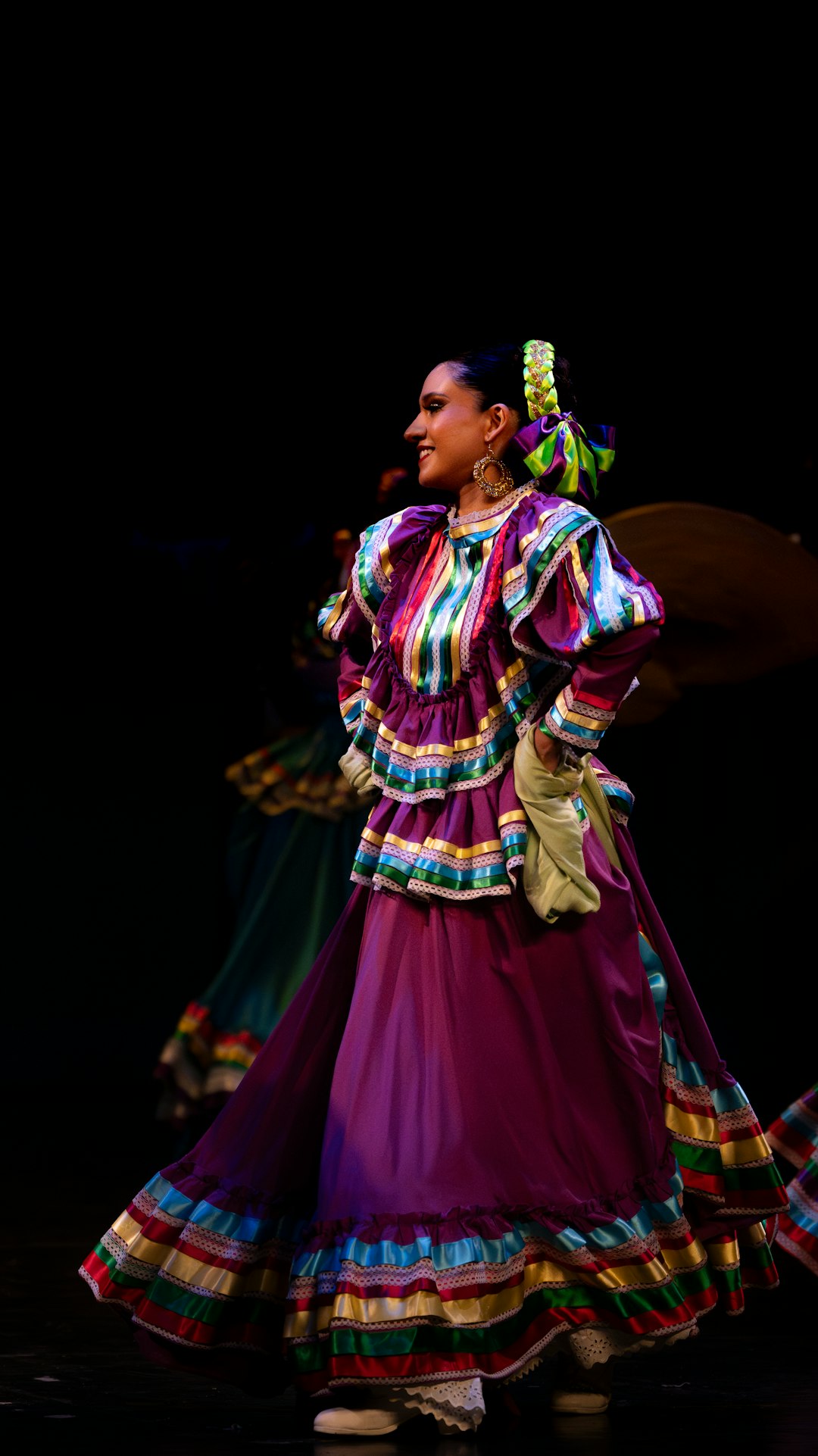
The first time I walked into a milonga in Waikoloa, I had zero idea what to expect. A friend dragged me along, promising "it's just walking to music." Three hours later, I'd sweat through my shirt, laughed at my clumsy ochos, and met a community of dancers who'd become some of my closest friends. That's the thing about Tango in this corner of the Big Island—it grabs you when you least expect it.
Waikoloa Beach Resort might be famous for its golf courses and that instagrammable beach, but the tango scene here? That's the real hidden gem. Whether you're visiting for a week or you've lived here your whole life, these five schools will change how you think about dance.
Waikoloa Tango Academy: Where Serious Dancers Get Made
Let's be honest—some dance studios feel like they're going through the motions. Not here. Walk into Waikoloa Tango Academy on a Tuesday night and you'll see advanced dancers drilling embellishments while beginners giggle through their first forward crosses. The energy's infectious.
What sets this place apart? The instructors actually dance socially. That might sound obvious, but you'd be surprised how many teachers can demonstrate a figure but can't navigate a crowded floor. Here, you'll learn how to adjust your embrace for someone taller than you, how to pause when the music breathes, and—critically—how to apologize with your eyes when you accidentally kick someone's ankle.
The studio itself screams "we take this seriously" without being intimidating. Floor-to-ceiling mirrors, a sprung wood floor that's gentle on your knees, and a sound system that makes Pugliese sound like he's playing live. They've got beginner intensives on weekends if you're visiting short-term, plus ongoing technique classes for locals ready to level up.
Pro tip: Show up fifteen minutes early. The best conversations happen before class starts.
Aloha Tango Studio: Less Pressure, More Joy
Not everyone wants to perform on stage. Some of us just want to move without feeling like we're being graded. That's the vibe at Aloha Tango Studio—a converted warehouse space where the focus is connection over perfection.
Maria, who runs the place, discovered tango in Buenos Aires in her fifties. She'll tell you she "didn't have a dancer's body" and couldn't hear the beat. Now? She glides across the floor like water. Her teaching philosophy is simple: if you're not having fun, something's wrong.
Classes here skew smaller, which means more individual attention. You'll spend less time drilling sequences and more time learning how to actually feel the music. It's not about memorizing steps—it's about developing a conversation with your partner and the orchestra.
The weekly milonga happens every Friday at 7pm. Don't let the word intimidate you. It's basically a social dance where you can practice what you've learned in a supportive environment. I've seen complete beginners get asked to dance by advanced leads who patiently guide them through the basics. That kind of generosity? It's rare, and it's what keeps people coming back.
Pacific Tango Fusion: Where Tradition Meets Experimentation
Okay, confession time: I used to think fusion dance styles were just a cop-out. "Why mix tango with salsa?" I'd grumble. "They're completely different beasts." Then I took a class at Pacific Tango Fusion and ate my words.
This isn't about diluting tango. It's about expanding what your body can do. The instructors here teach classic Argentine technique, but they also show you how a bolero connection can inform your tango embrace, or how west coast swing's elasticity can add drama to your giros. It sounds strange on paper, but on the dance floor? It works.
The space itself is worth mentioning. Think industrial-chic—exposed brick, soft lighting, a small bar serving wine and kombucha. It feels more like an art gallery than a dance studio, which somehow makes the whole experience feel more special.
If you're the type who gets bored drilling the same eight-count basic for months, this is your spot. They'll challenge you. They'll push you outside your comfort zone. And yeah, you might look ridiculous sometimes. But that's part of the process.
Sunset Tango Lounge: Dancing Under the Sky
Picture this: it's 6pm, golden hour, and you're practicing your cruzada as the sun melts into the Pacific. There's a light breeze, the smell of salt air, and a speaker playing D'Arienzo's "Loca" at just the right volume. That's a typical evening at Sunset Tango Lounge.
This open-air studio sits on the edge of the resort, and honestly, the location does half the teaching for them. When you're dancing with an ocean view, you naturally move differently—more expansive, more present. It's impossible to stress about perfecting your ganchos when a sea turtle might surface nearby.
Classes here are intentionally small and stress-free. The instructors focus on building confidence, especially for dancers who feel self-conscious. They'll remind you that nobody's watching your feet—they're watching your connection, your musicality, your willingness to be vulnerable.
Is it the place for competitive training? Probably not. But if you want to remember why you fell in love with dance in the first place, come here. Bring a water bottle. Stay for the sunset.
Island Tango Collective: Community First, Everything Else Second
Some studios feel transactional—show up, pay, learn, leave. Island Tango Collective is the opposite. This community-driven school operates more like a family than a business, and that changes everything.
The teaching collective rotates, so you'll learn from different dancers with different styles. One week it's Carlos, who dances with the precision of a surgeon. Next week it's Lei, who moves like she's telling a story with her body. This variety teaches you adaptability—a crucial skill for social tango.
But what really makes this place special? The events. Monthly workshops with visiting teachers from Buenos Aires and San Francisco. Outdoor dances on the hotel lawn. A yearly "tango marathon" that draws dancers from across the islands. If you're looking for your people, you'll find them here.
Prices are sliding scale, which means nobody gets turned away for lack of funds. It's the kind of policy that sounds idealistic until you see it in action—then you realize it creates a richer, more diverse community.
Ready to Take Your First Step?
Here's the truth nobody tells you: the "best" tango school doesn't exist. What matters is finding the right fit for you. Do you want rigorous technique or playful exploration? A social scene or serious training? An ocean view or a sprung floor?
Visit a few studios. Take an intro class. Pay attention to how you feel when you walk in versus when you walk out. The right place will leave you energized, curious, already planning your next visit.
And hey—if you see someone struggling with their ocho cortado, offer them a tip. Or better yet, ask them to dance. That's how the community grows. That's how you'll grow.
Waikoloa's tango scene is small but mighty. Come find us. We'll save you a dance.