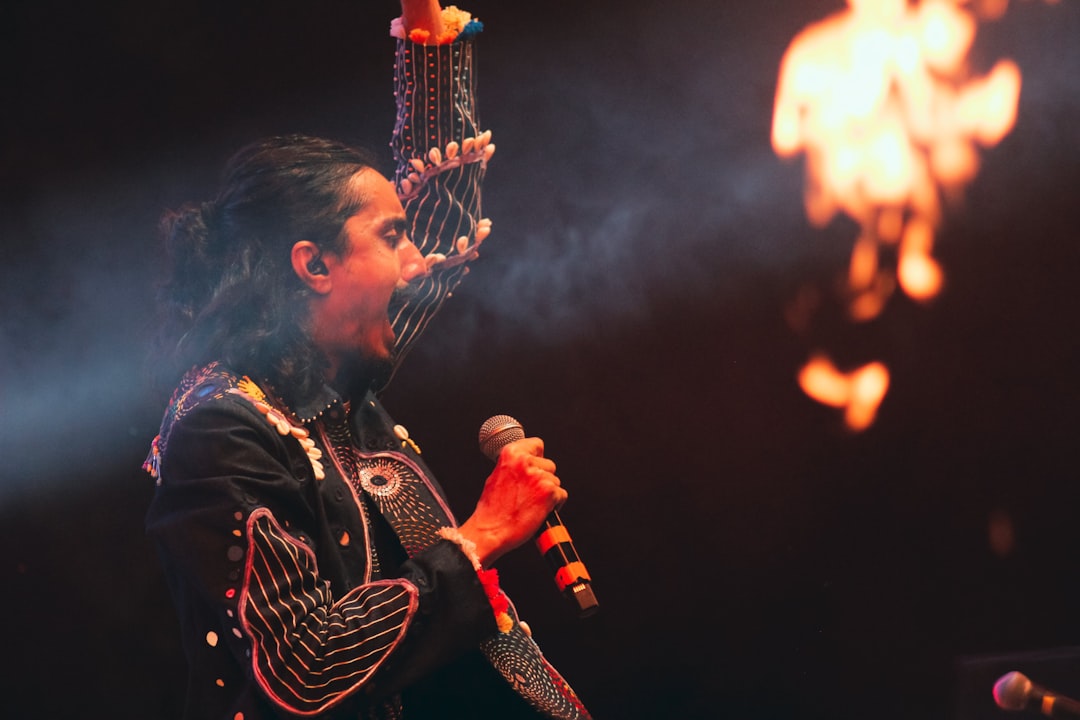
Every Thursday at 7 p.m., the second-floor studio above Marquez Bakery fills with the metallic twang of the berimbau and the faint smell of just-fried pastel. Sneakers line the hallway. Inside, a dozen students—some in their twenties, some in their sixties—sway through the ginga, Capoeira's signature rocking step, while a drummer keeps time on the atabaque.
This is where Capoeira lives in Jerome City: not in a glossy gym, but in a room where newcomers trip over their own feet and veterans flip through cartwheels without breaking conversation.
More Than a Workout
Capoeira arrived in Jerome City in earnest during the early 2000s, brought by Brazilian mestres passing through the Southwest. Today, the city supports three established academies and at least two informal training circles, serving an estimated 150 regular students across all age groups.
The practice is notoriously hard to categorize. It blends martial art, dance, acrobatics, and music into something closer to a language than a sport. For many practitioners here, that ambiguity is the point.
"I came for fitness," says Dana Okonkwo, 34, who started training at Grupo Cordão de Ouro's Jerome City chapter two years ago. "I stayed because I found a community I didn't know I was missing."
Where to Start
If you're curious about trying Capoeira, Jerome City's scene is unusually welcoming to beginners. Most academies offer trial classes for $15–$20, and no prior martial arts or dance experience is required.
| Academy | Best For | Beginner Class | Details |
|---|---|---|---|
| Grupo Cordão de Ouro — Jerome City | Traditional lineage training | Tues & Thurs, 7 p.m. | Riverside Community Center; founded 2011; classes in Portuguese and English |
| Fogo Na Rua | Street roda culture & music | Wed, 6:30 p.m. | Outdoor sessions at Liberty Park spring through fall; emphasis on live instrumentation |
| Casa de Angola Jerome | Family-friendly introduction | Sat, 10 a.m. | All-ages classes; strong ties to Afro-Brazilian history and percussion |
Inside the Roda
The heart of any Capoeira group is the roda: the circle where two players face each other, crouching before the berimbau. What follows looks like combat—meia lua de frente, au, rasteira—but the players are smiling, syncing their movements to the tempo, and slapping hands when the exchange ends.
Fogo Na Rua hosts the most accessible weekly public roda in Jerome City, Saturday mornings at Liberty Park, weather permitting. Spectators are welcome. Bring a blanket, sit near the musicians, and watch the circle expand and contract like a breathing thing.
"The roda teaches you to listen," says Mestre Rafael Pereira, who leads Cordão de Ouro's local classes. "Not just to the music—to the other person's body, their breath, their intention. That listening is the real skill."
The Festival Calendar
The city's largest Capoeira gathering is Encontro de Cordas, held each October at the Jerome City Convention Center. The 2024 edition drew approximately 400 participants from 12 U.S. states and three countries for a weekend of workshops, open rodas, and a batizado ceremony welcoming new students into the tradition.
Single-day spectator passes typically run $25; full workshop registration opens in July.
What to Bring
- Comfortable athletic wear you can move and invert in
- Water bottle (sessions are sweaty)
- Openness to clapping, singing, and possibly playing an instrument sooner than you expected
How to Get Involved
- Grupo Cordão de Ouro — Jerome City: cordaoouro-jc.org
- Fogo Na Rua: Instagram @fogonaruajc
- Casa de Angola Jerome: casadeangola.org/jerome
Written by [Your Name]