Your Invitation to Dance
Last month, I watched a grandmother teach her granddaughter the exact same Ukrainian circle dance she'd learned sixty years earlier—the steps hadn't changed, but the joy on both their faces was fresh. That's what folk dance does. It bridges generations, crosses borders, and builds communities one step at a time.
Airport City might not be the first place you'd expect to find a thriving folk dance scene, but tucked between strip malls and office parks are studios where people gather to learn dances their great-grandparents might recognize—and some that are entirely new.
Start Where You Are
Rhythm Roots Studio occupies a converted warehouse downtown, and you'll smell the hardwood floors before you see them. Owner Marta Petrova teaches Balkan line dances on Tuesdays, where beginners stumble through the same steps that advanced dancers make look effortless. Nobody judges. The intermediate Irish set dance class on Thursday nights draws a mix of former Riverdance wannabes and complete newcomers who just want to move.
What makes Rhythm Roots different? They don't separate by skill level during social dances. You'll find yourself in a line with someone who's been dancing for decades, and they'll quietly help you find the beat.
For the Culture Keepers
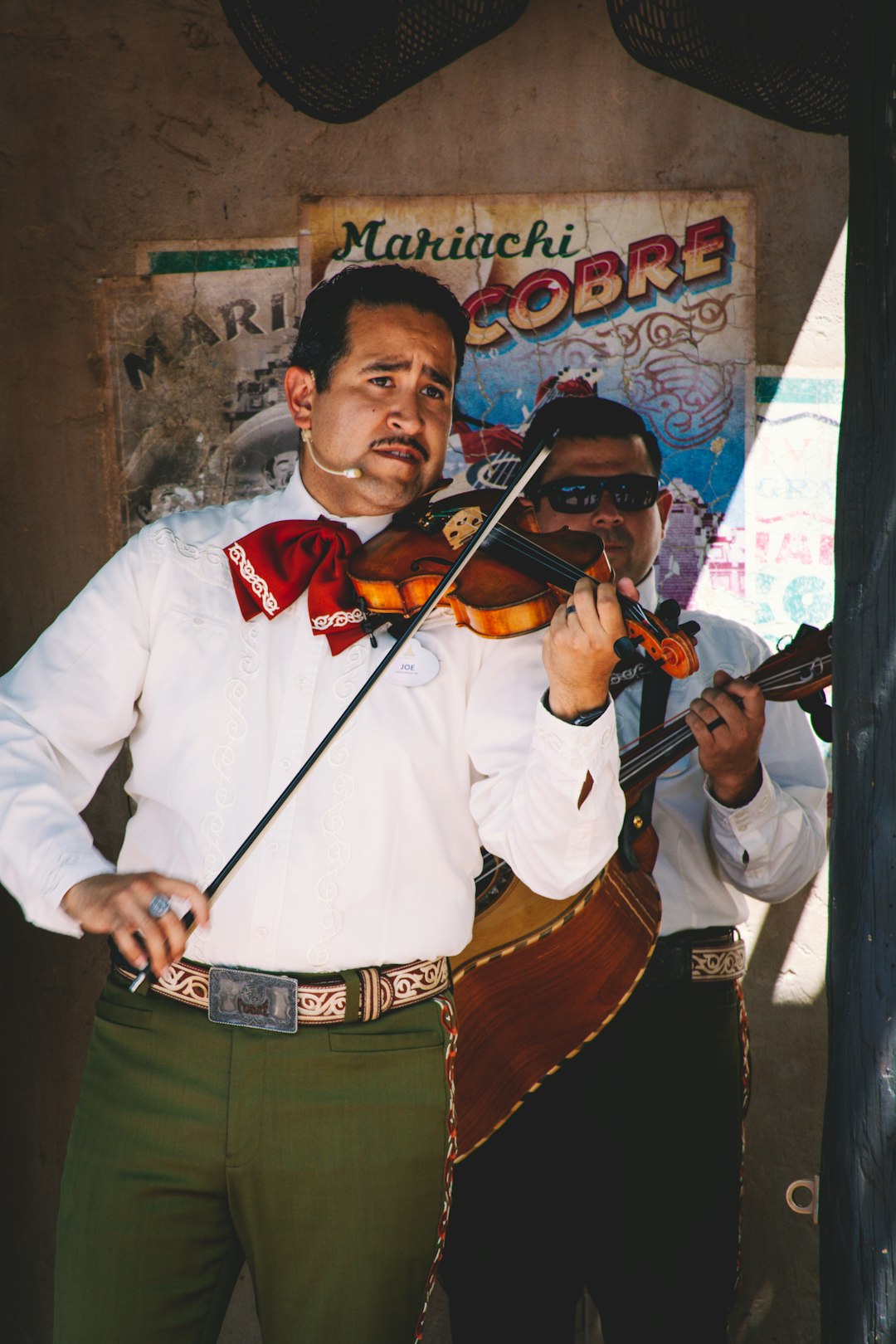
Heritage Dance Academy takes a different approach. Their Bhangra class doesn't just teach the movements—instructor Rajinder Singh explains which ones originated in Punjab wheat fields and which were adapted for stage performances. The Mexican folklorico program breaks down regional differences between Jalisco's skirt work and Veracruz's zapateado.
This isn't the place for casual drop-ins. Most classes run in eight-week sessions because there's actual material to cover. Students perform at cultural festivals around the Bay Area, which means you'll have something to work toward.
When You Can't Decide
Maybe you want to try everything. Global Grooves Dance Center built their business model on indecision. Their monthly membership includes unlimited drop-ins across all styles—West African on Monday, Middle Eastern on Wednesday, Scandinavian on Friday. The space itself tells the story: mirrors line one wall, but the other three display textiles and instruments from around the world.
Saturday social dances rotate through regions each week. One week it's Israeli folk dancing, the next it's contra dance. Regulars tend to develop favorites, but plenty of members treat it as a global tour without leaving California.
Breaking Tradition (Respectfully)
Folk Fusion Studio isn't for purists, and that's the point. Their flamenco fusion class incorporates contemporary arm work. The "Roots to Remix" workshop teaches traditional Appalachian clogging before layering in hip-hop rhythms. Founder Kenji Yamamoto trained in classical Japanese dance before spending a decade with a contemporary company in New York.
Some traditionalists grumble. Most students don't care—they're too busy discovering that folk dance techniques can feel surprisingly modern when recontextualized.
The Community Option
Not everyone can afford studio rates. Airport City Folk Dance Collective operates on a sliding scale, with some classes completely free. The nonprofit runs out of a community center gymnasium, which means the floors aren't as nice but the welcome is wider.
Tuesday nights draw the biggest crowd. Dancers range from teenagers to retirees, and the skill mix is similarly broad. After class, people linger in the parking lot talking about where they're from and which dances they grew up with. That's the real draw here—it's less formal instruction and more community building through shared movement.
The Online Bridge
Cultural Steps Academy recognized early that not everyone can get to a physical studio. Their online program serves everyone from military spouses stationed overseas to rural dancers without local options. Live classes happen via video conference, with recordings available for those in different time zones.
The trade-off? You'll need space to move at home, and the instructor can't physically adjust your posture. But for Hawaiian hula or Appalachian flatfooting, where the upper body matters as much as the feet, it works better than you'd expect.
What Folk Dance Actually Gives You
Beyond the obvious cardio benefits—which are real, especially in those high-energy Bulgarian classes—folk dance offers something rare: a way to participate in living history. You're not just learning choreography. You're learning how people celebrated harvests, courted partners, and built community bonds across centuries.
The mental engagement surprises people. Remembering sequences, counting music, coordinating with partners or lines—it keeps your brain working. Regular dancers often report better balance and coordination in daily life.
Finding Your Place
Here's the thing about folk dance communities: they're surprisingly welcoming. Unlike competitive dance scenes or some social dance environments, there's less concern about being "good enough." People show up because they love the music, the movement, and each other.
Start with a beginner class at any of these studios. Show up early, introduce yourself to someone, and admit you have no idea what you're doing. That honesty will get you further than any natural talent ever could.
Your dance community is already here. You just have to walk through the door.