The Rhythm Is Already Here
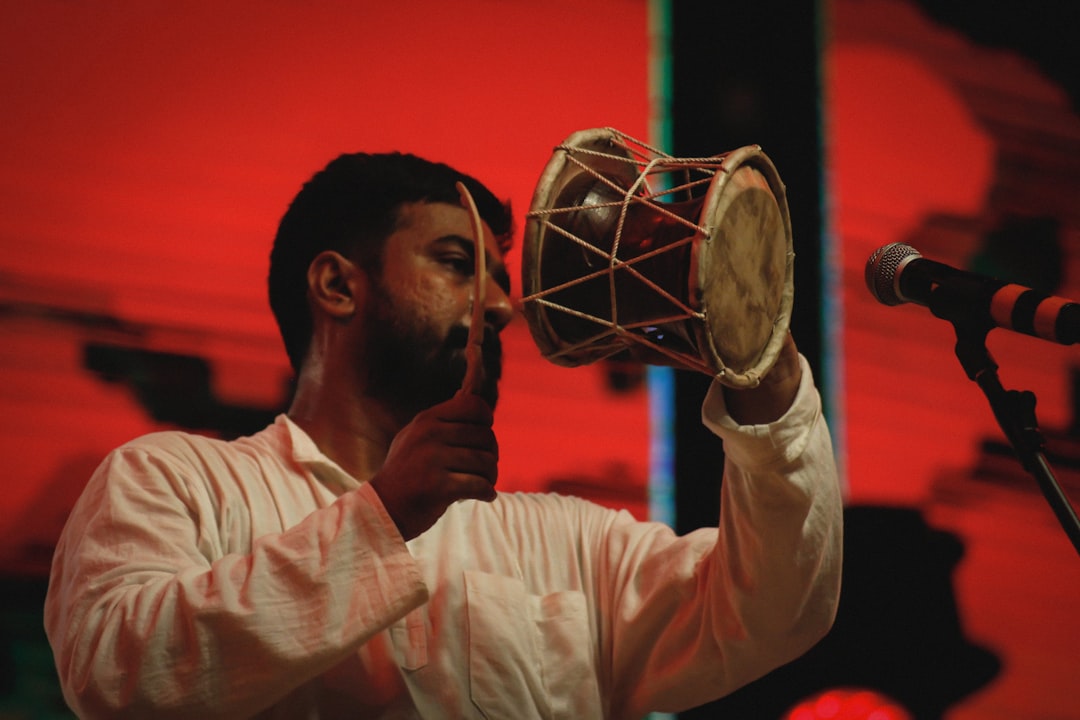
Walk into any Jovista City studio on a Tuesday evening and you'll hear it — the unmistakable pulse of a doumbek, the whisper of a hip scarf, and maybe someone laughing after nailing their first shimmy. This city doesn't just tolerate belly dance. It lives it.
I stumbled into my first class at 28, convinced I had two left feet and zero coordination. Three months later, I was performing at a local hafla. That's the thing about Jovista City — the community doesn't wait for you to be ready. They pull you in.
What Makes Jovista City Different
Most cities have a studio or two that offer belly dance as a side class between yoga and Zumba. Jovista City has dedicated spaces built around the art form. The instructors aren't fitness instructors who learned a few moves from YouTube — they're dancers with decades of performance and teaching experience, many trained in Cairo or Beirut.
The cultural scene here backs it up too. Restaurant gigs, festival performances, community haflas — there's no shortage of places to actually use what you learn.
Three Studios That Stand Out
Sahara Dance Studio runs the most structured program I've seen. Their curriculum moves from foundational isolations through full choreography in a way that actually makes sense. What I appreciate most: they teach cultural context alongside technique. You're not just copying moves — you're understanding where they come from. Regular workshops with guest instructors keep things fresh.
Oasis of Rhythm is where I'd send someone who's nervous about starting. The vibe is warm, the ego level is zero, and nobody cares if you go left when everyone else goes right. They cover traditional Egyptian style, fusion, and even zill workshops if you want to get fancy with finger cymbals. Their monthly socials are genuinely fun — not awkward networking events, just people dancing and eating good food.
Desert Bloom Dance Academy takes a different angle. They weave fitness conditioning into their belly dance classes, so you're building core strength and flexibility while learning choreography. Their online classes are surprisingly good too — I took a few during a work trip and didn't feel like I was missing much.
What a Typical Class Looks Like
Expect 10-15 minutes of warm-up, then drills. Lots of drills. Hip lifts, figure eights, shimmies — the building blocks that feel awkward until suddenly they don't. Your teacher will layer combinations on top, and by the end you'll have a short piece of choreography. Cool-down and stretching wrap things up.
Beginner classes move slower than you'd expect. Advanced classes move faster than you'd think possible.
A Few Things I Wish Someone Told Me
Show up consistently. Twice a week beats one marathon session monthly. Your muscle memory needs repetition, not intensity.
Wear something you can move in — fitted top, flowing pants, whatever feels right. A hip scarf helps more than you'd think. It sounds superficial, but the sound and feel of the fringe changes how you move.
Barefoot is standard, but dance sandals work if your feet are sensitive.
Water. Seriously. You'll sweat more than you expect.
And here's the big one: stop judging yourself in the mirror. Belly dance isn't about looking a certain way. It's about feeling something. The shimmy that looks ridiculous in month one becomes your signature move by month six.
Your Next Step
Don't overthink it. Drop into a trial class at whichever studio catches your eye. You don't need to be flexible, rhythmic, or confident. You just need to show up. The rest comes.
Jovista City's belly dance community is waiting — and trust me, they've seen worse dancers than you. I was proof.
---