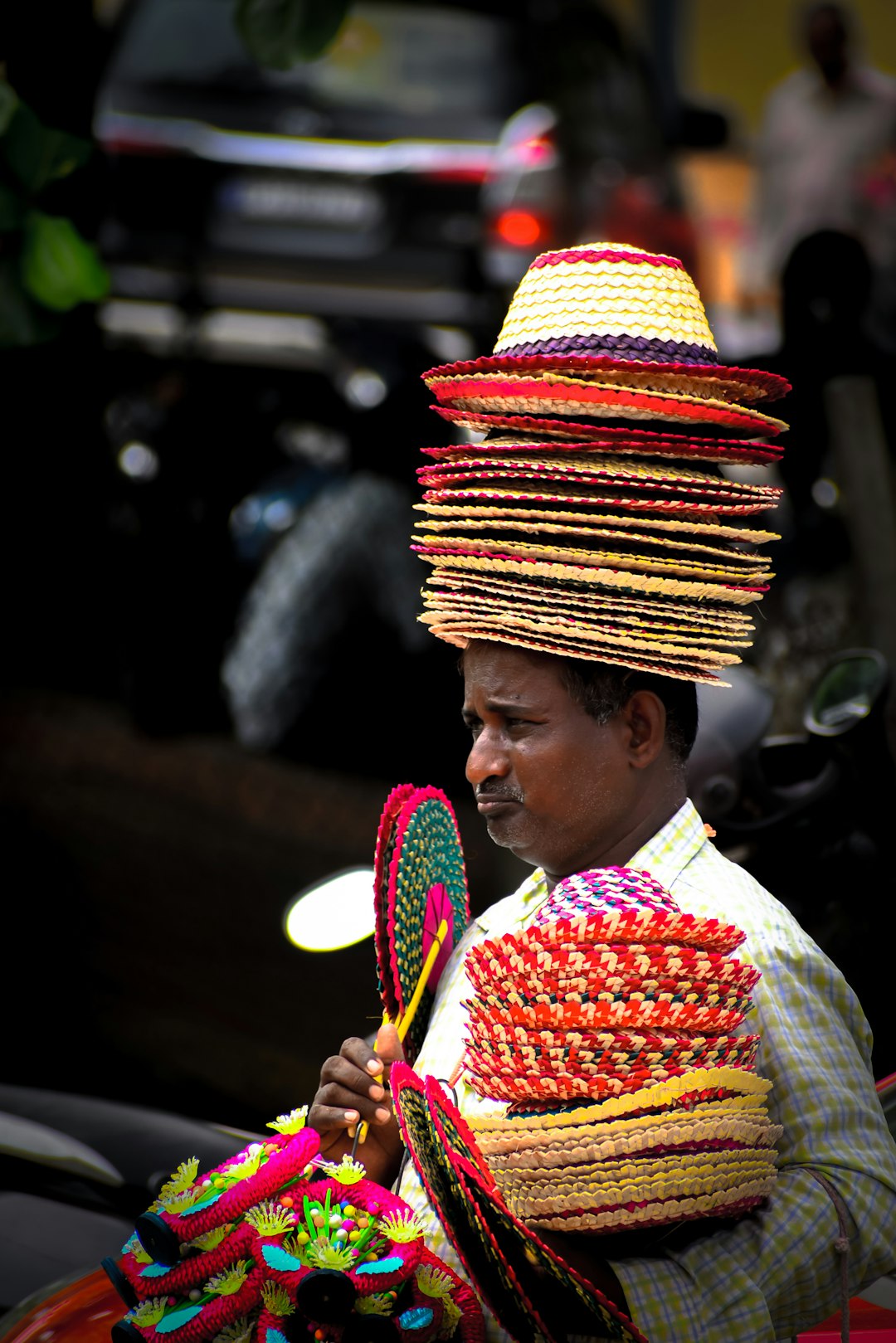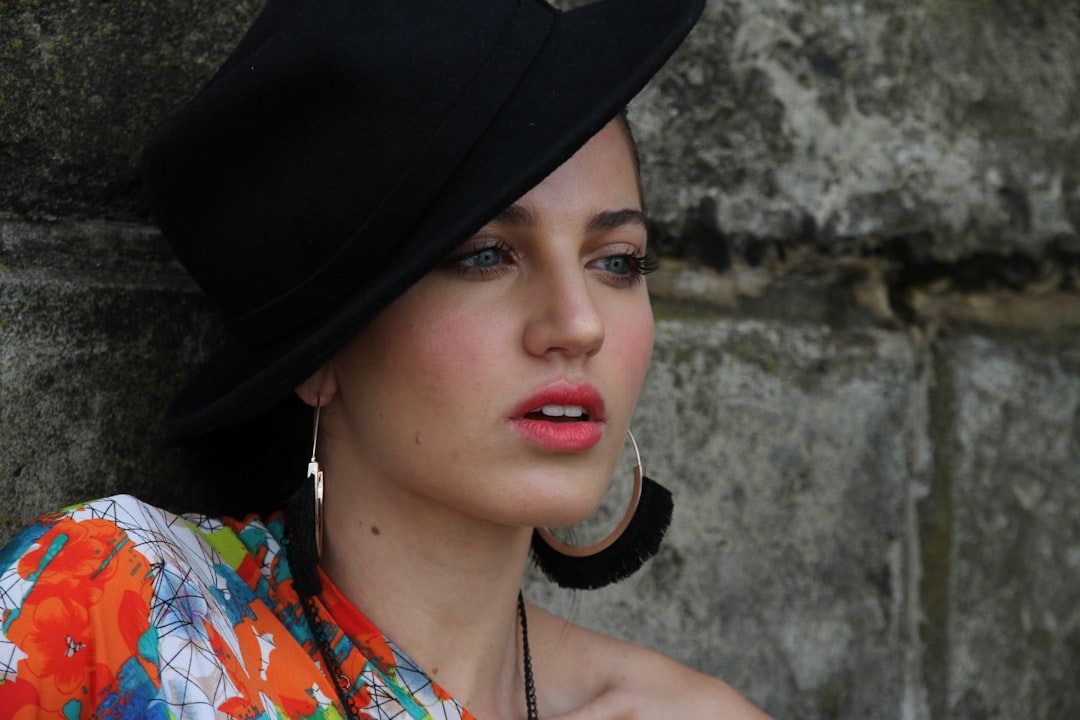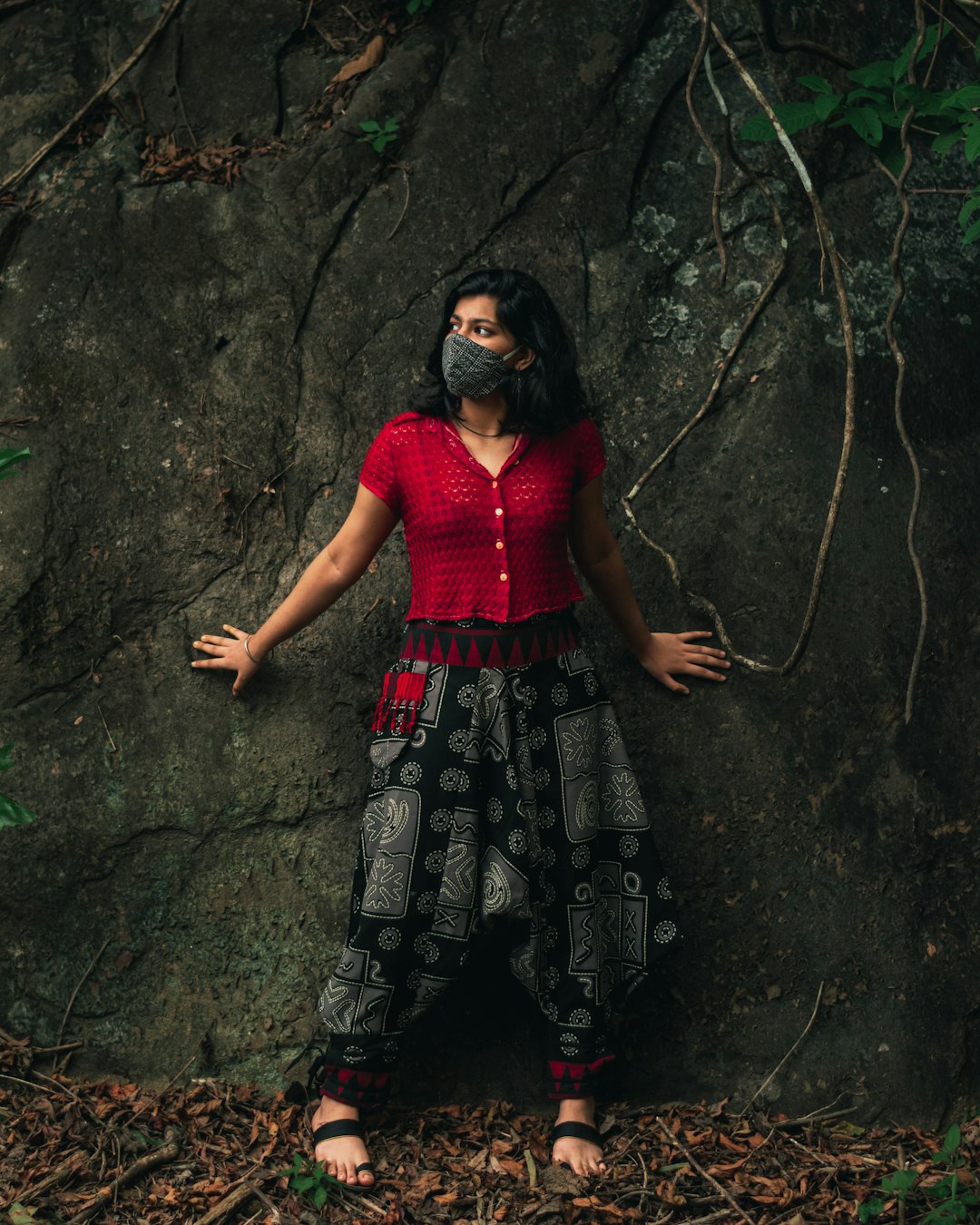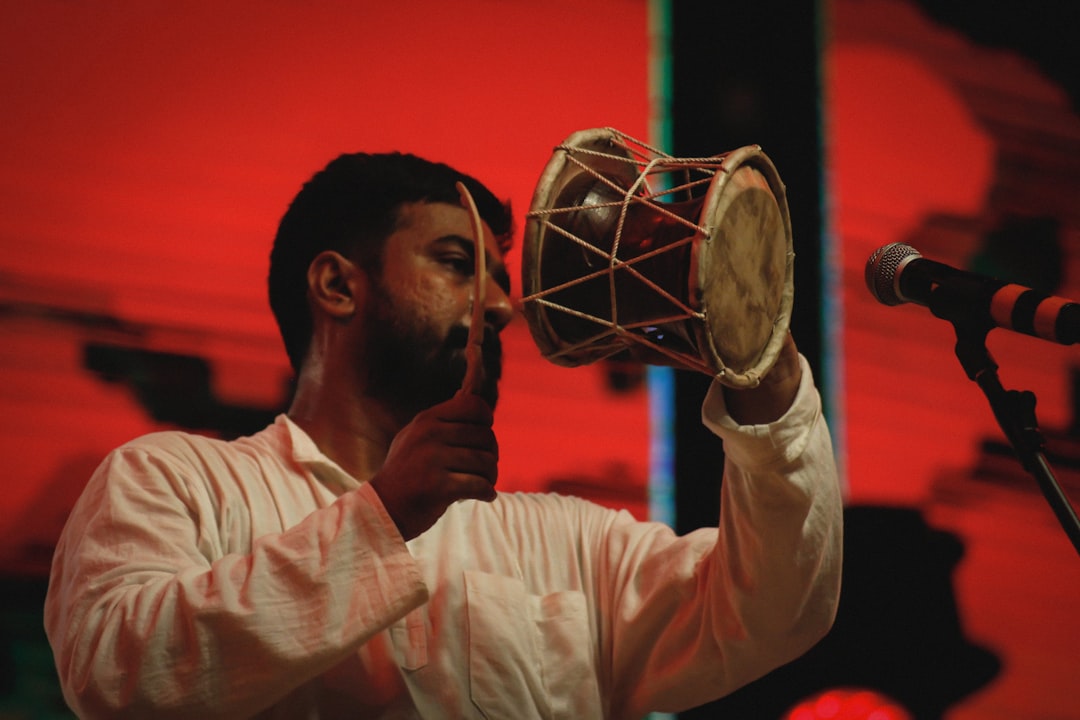
The zills start chiming at 7:47 p.m., seven minutes behind schedule, and nobody in the folding-chair audience at the Wayne Heights Community Center seems to mind. It's the first Friday of the month—Hafla night—and the multipurpose room smells of cardamom coffee and henna paste. A dancer in midnight-blue silk waits in the wings, adjusting her hip scarf while a toddler in the front row attempts to mimic the last performer's shoulder shimmy. This is belly dance in Wayne Heights City: imperfect, communal, and stubbornly resistant to becoming invisible.
For decades, this working-class suburb of 34,000 has quietly nurtured one of the region's most dedicated Middle Eastern dance communities. What began in the 1970s with a handful of women learning from grainy VHS tapes has matured into a multi-generational ecosystem of studios, festivals, and cross-cultural collaboration that bears little resemblance to the Orientalist fantasies sold in old Hollywood films.
From Garage Classes to Professional Studios: A Brief Local History
The story starts, depending on whom you ask, either in 1974 or 1978.
Dolores "Dee" Martinez, now 71 and retired from teaching, insists she held the first structured class in her Hawthorne Avenue garage in 1974, charging three dollars per session and borrowing records from the Wayne Heights Public Library's modest world music collection. Others point to 1978, when the Turkish American Cultural Association began hosting Saturday afternoon workshops at the old Masonic Lodge on Porter Street.
What both accounts agree on: the dance arrived here through immigrant networks and military wives returning from overseas postings, not through the "ancient temple dance" mythology still peddled in some tourist shows. The forms practiced in Wayne Heights City today—primarily Egyptian raqs sharqi, Turkish orientale, and American tribal fusion—reflect specific 20th-century developments: the professional entertainment districts of Cairo and Istanbul, the 1960s-70s American belly dance boom, and the subsequent innovations of dancers like Carolena Nericcio and Rachel Brice.
"Nobody here is pretending this came from Cleopatra," says Amira Khalil, who has taught Egyptian-style classes at Desert Moon Studio since 2009. "We respect the actual lineages. My teacher studied with Mahmoud Reda. Her teacher studied with Samia Gamal. That's real history, not mythology."
Where to Take Classes: Three Studios, Three Approaches
Desert Moon Studio occupies the second floor of a converted textile mill on Hawthorne Avenue, its exposed brick walls hung with Khalil's collection of vintage Egyptian film posters. Tuesday evening Egyptian technique classes ($18 drop-in, $140 for ten-class packages) draw roughly fifteen students, ranging from college-aged beginners to a 67-year-old retired postal worker preparing for her first student showcase.
Khalil's methodology emphasizes muscular precision: isolations—moving the hips independently of the ribcage, the hallmark of raqs sharqi—drilled slowly before acceleration. "Egyptian dance is conversational," she explained during a recent open house. "Every movement responds to something in the music. You're not performing at people. You're speaking with them."
Three blocks east, at Tribal Grounds on Porter Street, the aesthetic shifts dramatically. Co-founder Jenna Marchetti, 38, discovered American tribal fusion in 2005 through online videos of Rachel Brice and spent years adapting the style's hip-hop-influenced fundamentals for Wayne Heights City's predominantly Latine and working-class student base. Classes here incorporate group improvisation formats derived from FatChanceBellyDance's original ATS vocabulary, with dancers learning cue-based choreography that allows for split-second collective decisions during performance.
"We're not trying to replicate San Francisco in 1987," Marchetti says. "Our students bring their own movement histories—salsa, cumbia, breakdancing. The fusion happens organically."
The newest addition, Shimmy Shack, opened in 2019 in a strip-mall unit near the Wayne Heights Transit Center. Owner Derek Okonkwo, a former contemporary dancer who discovered belly dance through a college world music course, specializes in mixed-level accessibility. All classes operate on sliding-scale pricing ($10-$25 suggested), and the studio's "Bring Your Baby" Saturday mornings accommodate parents who would otherwise be priced out of participation.
Okonkwo, who is Nigerian American and one of the few male-identified studio owners in regional belly dance, has faced skepticism. "People assume I don't belong in this form," he says. "Then they see me teach. Then they see my students. The form is bigger than any single demographic."
The Hafla and Beyond: Performance Opportunities for Every Level
The monthly Hafla at Wayne Heights Community Center—"hafla" deriving