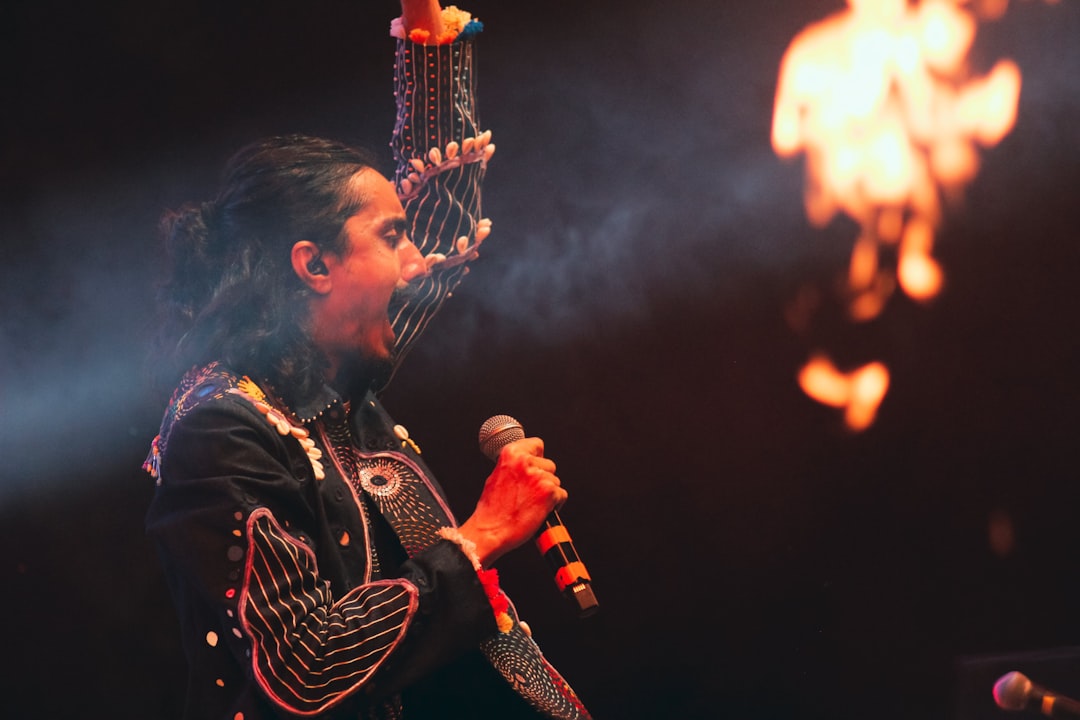
The first time I watched a roda — that spinning circle of clapping, singing bodies where two capoeiristas trade kicks and escapes — I thought someone was going to get hurt. Then the berimbau twanged, the crowd shifted, and what looked like fighting turned into something closer to a conversation. I was hooked before I understood a single thing about what I was seeing.
If you're in Forestdale and curious about capoeira, you've got real options. Not the "there's one gym that offers it on Tuesdays" kind of options. Actual schools with distinct personalities, different teaching philosophies, and wildly different vibes. Here's what I've found.
Forestdale Capoeira Academy
Mestre Carlos runs a tight ship. His Academy on Pemberton Road has been around long enough that half the instructors started as kids in his beginner class. There's a photograph on the wall by the changing rooms — a faded print of a 2003 batizado where a nine-year-old girl is mid-meia lua de compasso, her face pure concentration. That girl teaches the advanced class now.
The training is serious without being intimidating. Beginners learn to ginga properly (not just swaying side to side — you'd be surprised how many places skip the fundamentals). Intermediate students start working on floreios — the flashy acrobatic stuff — but only after they can hold their own in a roda without flailing. Drop-in rate runs about £15, with monthly memberships around £45.
One thing that sets this place apart: every Friday session ends with a half-hour roda, open to anyone. You don't have to be a student. Just show up, clap along, and if you're feeling brave, step in.
Capoeira Angola Forestdale
Here's where it gets interesting. If the Academy leans contemporary regional, this group is all about Angola — the older, slower, more strategic style. Mestre Dona runs classes from a community hall behind St. Mark's Church, and the space smells like incense and old wood floors.
The Angola crowd takes the music seriously. I mean seriously. You'll spend your first three months learning to play the berimbau and sing corridos before you throw a single kick. Some people find that frustrating. Others discover it's the part they love most. One student, a retired teacher named June, told me she came for the exercise and stayed because "singing in Portuguese with twenty strangers made me feel like I was part of something I didn't know I was missing."
Classes are Tuesday and Thursday evenings, £10 each. No contracts, no pressure. Mestre Dona's been known to waive fees for people going through a rough patch — she doesn't advertise this, she just does it.
The Forestdale Club
Not everyone wants a mestre and a lineage and a philosophical framework. Some people just want to learn cool moves on a Thursday night after work. The Forestdale Club, run out of Riverside Gym, is for them.
Instructor Jamie — who trained in Salvador da Bahia for two years and came back with a slightly chaotic teaching style and excellent stories — leads sessions that feel more like a pickup basketball game than a formal class. You warm up, you drill a few sequences, you spar, you laugh a lot. The music's usually a Bluetooth speaker rather than a live bateria, and nobody's going to quiz you on the history of slavery's role in capoeira's development (though Jamie will absolutely tell you about it over a pint afterward if you ask).
£12 drop-in, or £40 for a four-class pass. Beginners welcome, no booking required.
Capoeira + Arts Studio
This one's different. Mira, the founder, trained in both capoeira and contemporary dance, and her Forestdale studio blends the two in ways that make purists raise an eyebrow and everyone else have a genuinely good time.
A typical class might start with capoeira fundamentals, shift into a movement improvisation exercise, and end with the group creating a short choreographed sequence using ginga as its base. There's also a Saturday music workshop where students build instruments and learn traditional songs. It's artsy, it's a bit left-field, and it attracts people who might never walk into a traditional capoeira school — dancers, musicians, visual artists, curious retirees.
Sessions run £18 each, or £60 for a month of unlimited classes. The studio hosts a quarterly showcase where students perform original pieces. It's not a batizado, but it's got its own kind of magic.
So Which One?
Skip the "comprehensive" comparison charts. Here's the honest version: go visit two or three. Sit in on a class if they'll let you. Watch how the teacher talks to beginners. Notice whether the students seem like people you'd actually want to spend an hour with every week.
Capoeira's a strange, beautiful thing — half fight, half dance, entirely its own world. The school you choose matters less than the fact that you actually show up. The roda's already spinning. All you've got to do is step in.