Before you pick a studio, pick a reason
I almost didn't try capoeira. Showed up to a class because a friend dragged me, spent 45 minutes failing at a cartwheel while a 9-year-old did one-handed ones next to me, and figured it wasn't for me. Went back the next week anyway because I couldn't get the berimbau out of my head.
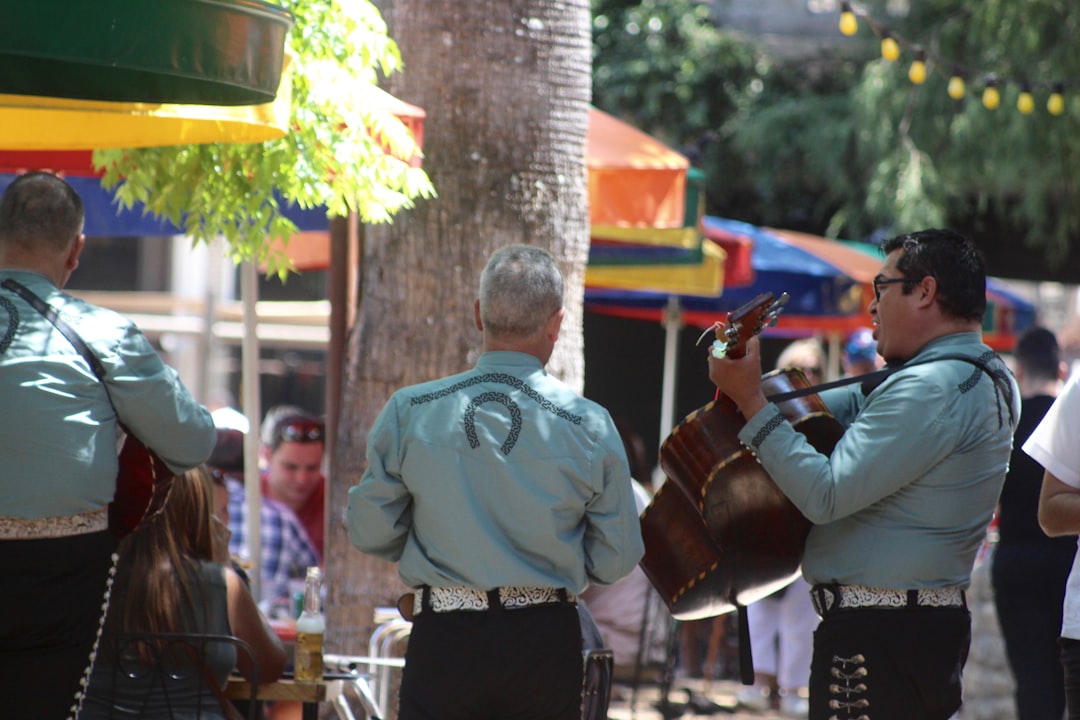
That's the thing nobody tells you upfront — capoeira grabs you in ways you don't expect. The movement is what gets people through the door, but the music and the history keep them coming back. If you're in Lake Belvedere Estates, you've actually got real options, not just "the one studio that teaches it." Here's what I've seen and heard from people who train at each one.
Mestre Marrom's place
Marrom has been doing this for three decades, and it shows in ways that matter — not just his technique, but how he reads a room. A friend of mine started there last year at 42 with zero flexibility and a bad knee. Marrom adjusted his game on day one instead of making him feel like a project. That kind of attention doesn't happen at every school.
The space itself is big enough to actually move in, which sounds obvious until you've tried doing an au in a cramped hallway. They run kids' classes too, and watching a roda full of 7-year-olds is one of the purest things you'll ever see.
Cordão de Ouro on the structured side
This one leans traditional. If you want someone to break down the lineage of every movement and explain why your meia lua should look a certain way, you'll feel right at home. Guest mestres come through regularly, which means you get exposed to styles and interpretations you'd never see otherwise. I sat in on one roda where a visiting mestre from São Paulo played for 20 minutes straight — the whole room was silent except for the music.
It's not stiff, though. The people there genuinely want you to improve, and there's no cliquey gatekeeping. Just know that the training is demanding and they'll push you.
Grupo Senzala's local branch
Old-school roots, serious instruction. The teachers trained directly under Mestre Camisa, so the techniques they teach are specific and well-organized. One guy I talked to said his kicks improved more in two months here than in a year of self-study. They spend real time on history too — not in a textbook way, but woven into why you're learning this sequence or that escape.
Fair warning: the warmups alone will humble you.
Capoeira Brasil
Less intense vibe, more community-oriented. A woman I met at a local event told me she tried three different schools before landing here because she felt judged elsewhere for being a complete beginner. At Capoeira Brasil, she said nobody made her feel like she was slowing anyone down. They do performances around town, which is a nice way to see what you're working toward without the pressure of a formal showcase.
If you want pure athletic rigor, you might outgrow it. If you want a place that makes you feel welcome while you figure out whether capoeira is your thing, start here.
Axé Capoeira
Mestre Barrão's school stands out for one reason most people don't expect: the music. They take berimbau, atabaque, and pandeiro seriously — not as a warm-up afterthought but as an equal part of training. You'll sing. You'll learn to lead a roda's rhythm. For some people that's the whole point; for others it's intimidating at first and then becomes the part they love most.
The energy in class is high, the instructors don't phone it in, and there's a real sense that everyone in the room is building something together.
One more thing
Visit before you commit. Sit through a class, watch how the mestre interacts with students, feel the energy. The best school is the one that makes you want to come back next Tuesday, not the one with the nicest website. And if you can't do a cartwheel on your first day — welcome to the club.