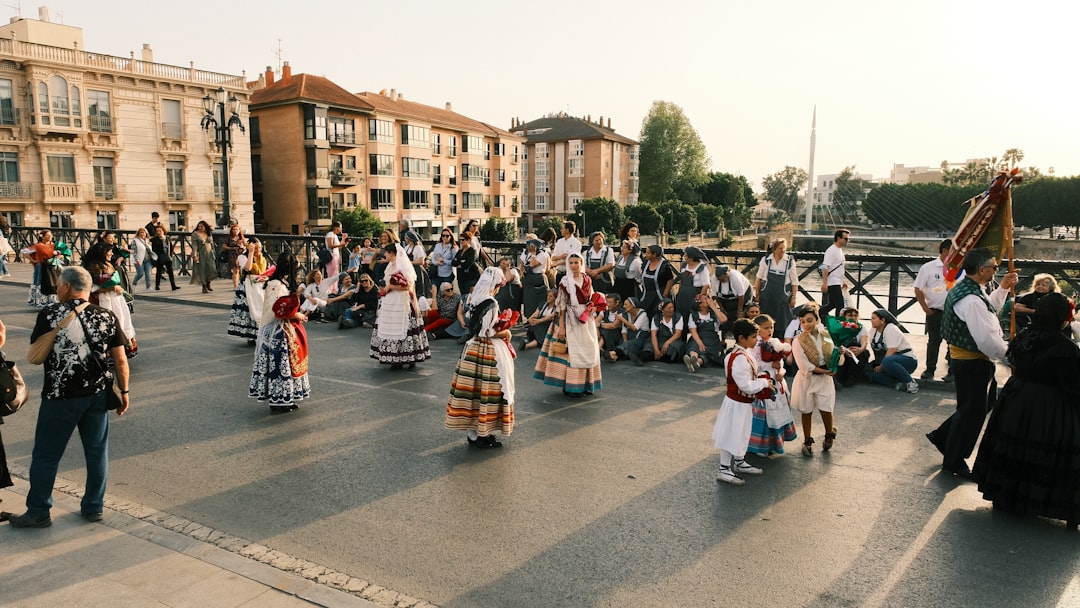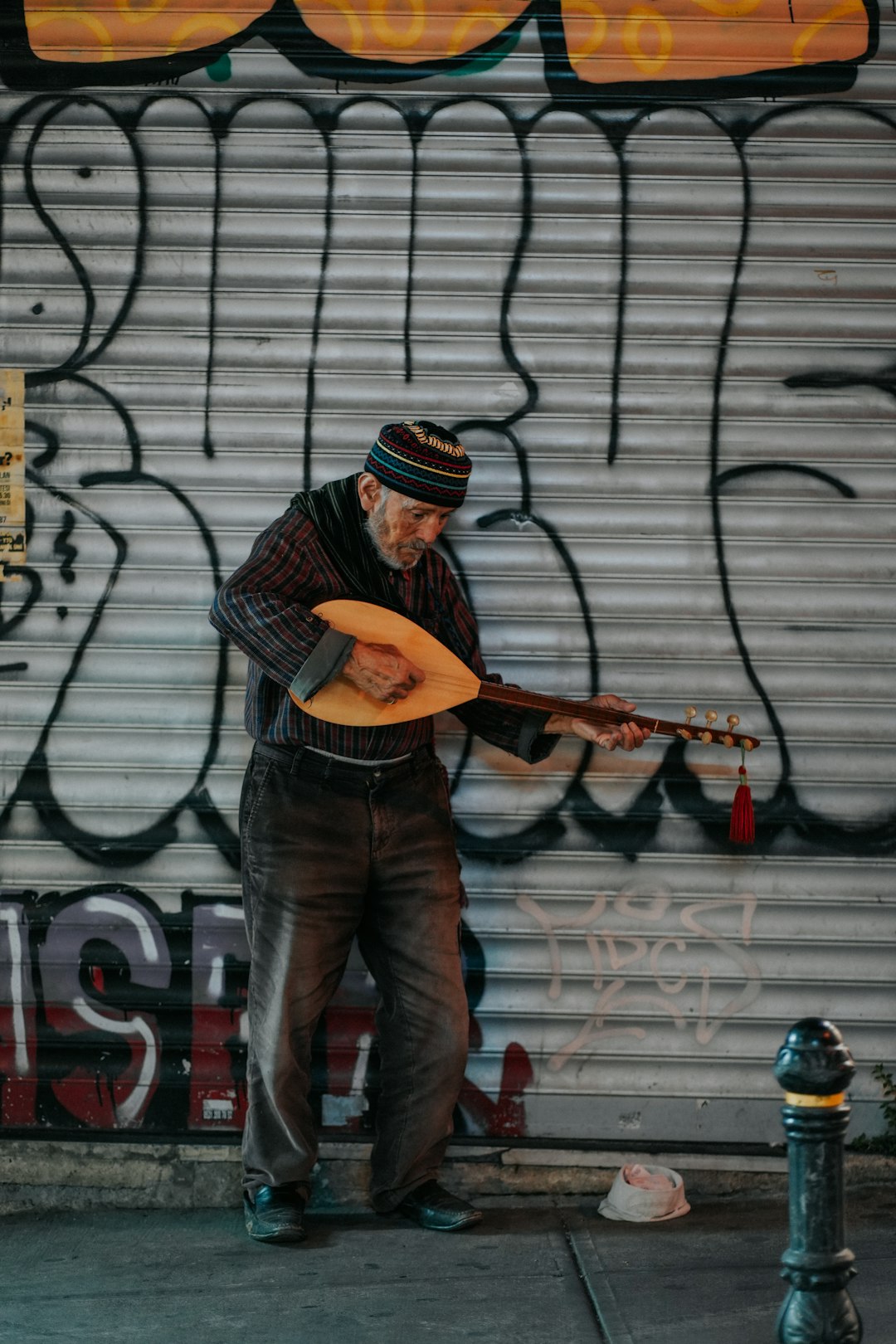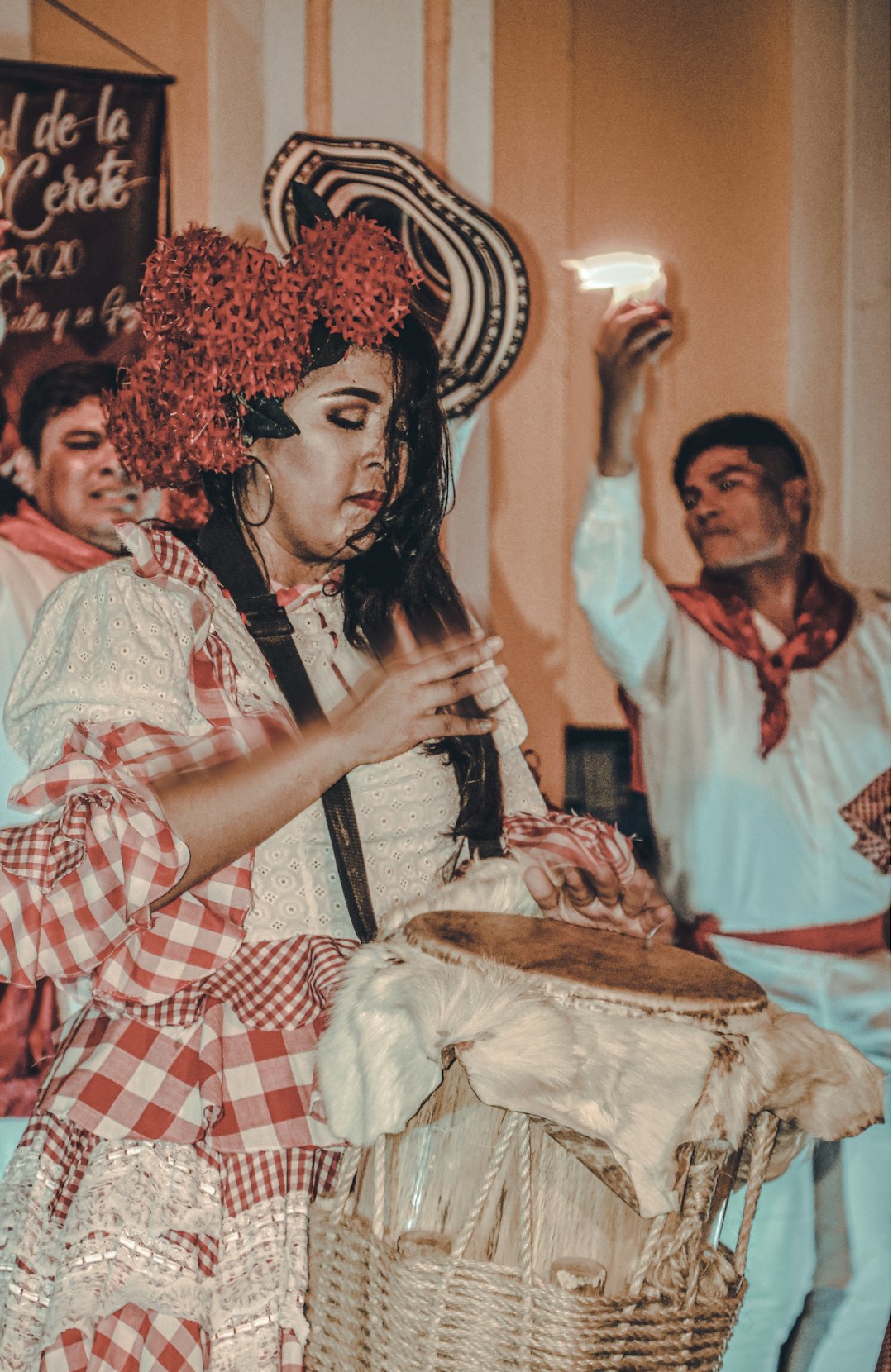
At 8 p.m. on a Thursday, the warehouse doors at The Swing Shack on Cleveland Street roll open. Inside, two hundred dancers trade leather-soled shoes for floor time while a ten-piece band warms up under exposed beams. This is how swing happens in Oceanside City—not as a nostalgic novelty, but as a working, sweating, social scene anchored by studios that have trained generations of dancers.
If you're looking to join them, here's what the local landscape actually looks like.
What to Know About the Scene
Oceanside City's swing community has been organized and growing since the 1998 founding of the annual Harbor Hop festival, which still draws roughly 2,000 dancers to the municipal pier each June. That event created infrastructure: regular venues, traveling instructor circuits, and a resident population of dancers who stuck around after the weekend ended.
The local style split reflects national trends, but with coastal quirks. You'll find dedicated Lindy Hop and Charleston tracks at most studios, a sizeable West Coast Swing contingent that favors the Shack's slick-floored second room, and a smaller but committed Balboa revival scene that meets monthly at Rhythm & Sole. Fusion events—think swing choreography set to indie rock or surf guitar—surface regularly during the summer outdoor series at Bayside Park.
The Studios
The Swing Shack
Best for: Social dancers and total beginners
Co-founder Maria Delgado, a former U.S. Open Swing champion who relocated here in 2006, still teaches the Tuesday beginner Lindy series herself. The Shack occupies a converted fish-processing warehouse two blocks from the ferry terminal; the floor is sprung, the ceiling is high, and the atmosphere is deliberately unpretentious.
Classes run on drop-in policies ($18 per session, or $140 for a ten-class card). Partners rotate, so showing up solo is expected. The main draw remains the Thursday-night Pierside Social, which runs 8 p.m. to midnight with a live band on the first and third Thursdays of each month.
Student note: "Delgado's beginner Lindy class finally made triple-step clicking for me," says James R., an aerospace engineer who started at the Shack in 2022. "She breaks it down like mechanics."
Coastal Swing Academy
Best for: Technique-focused dancers and competitors
Head instructor David Chen built the Academy's reputation on slow, deliberate progression. Located in the Depot District, the studio offers leveled tracks—from Fundamentals 1 through Advanced Musicality—that require monthly enrollment rather than drop-ins. Group classes run $165 per four-week cycle; private lessons with Chen start at $95 per hour.
The Academy hosts quarterly weekend intensives with guest instructors, including recent workshops with Los Angeles balboa specialist Nina Torres and Seattle-based aerials coach Mark Vann. If you're aiming for competition, this is where most of Oceanside City's Jack & Jill finalists train.
Rhythm & Sole Dance Studio
Best for: Performers and cross-training dancers
Rhythm & Sole sits above a surf shop on Pier Avenue, and the aesthetic matches the address. The studio is known for blending traditional swing vocabulary with contemporary performance craft—expect classes that pair Lindy basics with stage movement or improv exercises.
Their seventeen-member performance troupe, The Breakers, rehearses Sundays and books regularly for Harbor Hop, local weddings, and the city's summer concert series. Drop-in choreography classes are open to the public; troupe membership requires an annual audition held each January.
Getting Started: Practical Details
What to wear: Leather-soled shoes or dance sneakers with minimal tread. Street rubber grips the floor and strains your knees. Most studios have a few loaner pairs behind the front desk.
Partner policy: All three studios rotate partners in group classes. You do not need to bring one.
First-class etiquette: Arrive ten minutes early to sign a liability waiver. Intro classes typically run 55 minutes and include a brief social dance at the end.
Why Oceanside City Works for Swing
The logistical advantage here is density. You can walk from The Swing Shack to Rhythm & Sole in fifteen minutes, which means dancers often cross-train without committing to a single studio culture. The mild climate also extends the season: Bayside Park hosts free beginner lessons and social dances from May through October, with the water visible behind the bandstand.
Most importantly, the scene retains intermediate dancers. In smaller cities, beginners either quit or outgrow the local offerings and leave. Here, the competition pipeline, performance opportunities, and visiting-instructor calendar create enough onward trajectory that experienced dancers stay—and that stability feeds back into the beginner classes.
Take the First Step
Pick a Thursday, wear shoes that slide, and show up at The Swing Shack by 7:45 p.m. The beginner lesson runs until 8:30, and the social dance carries you to midnight. Whether you're training for