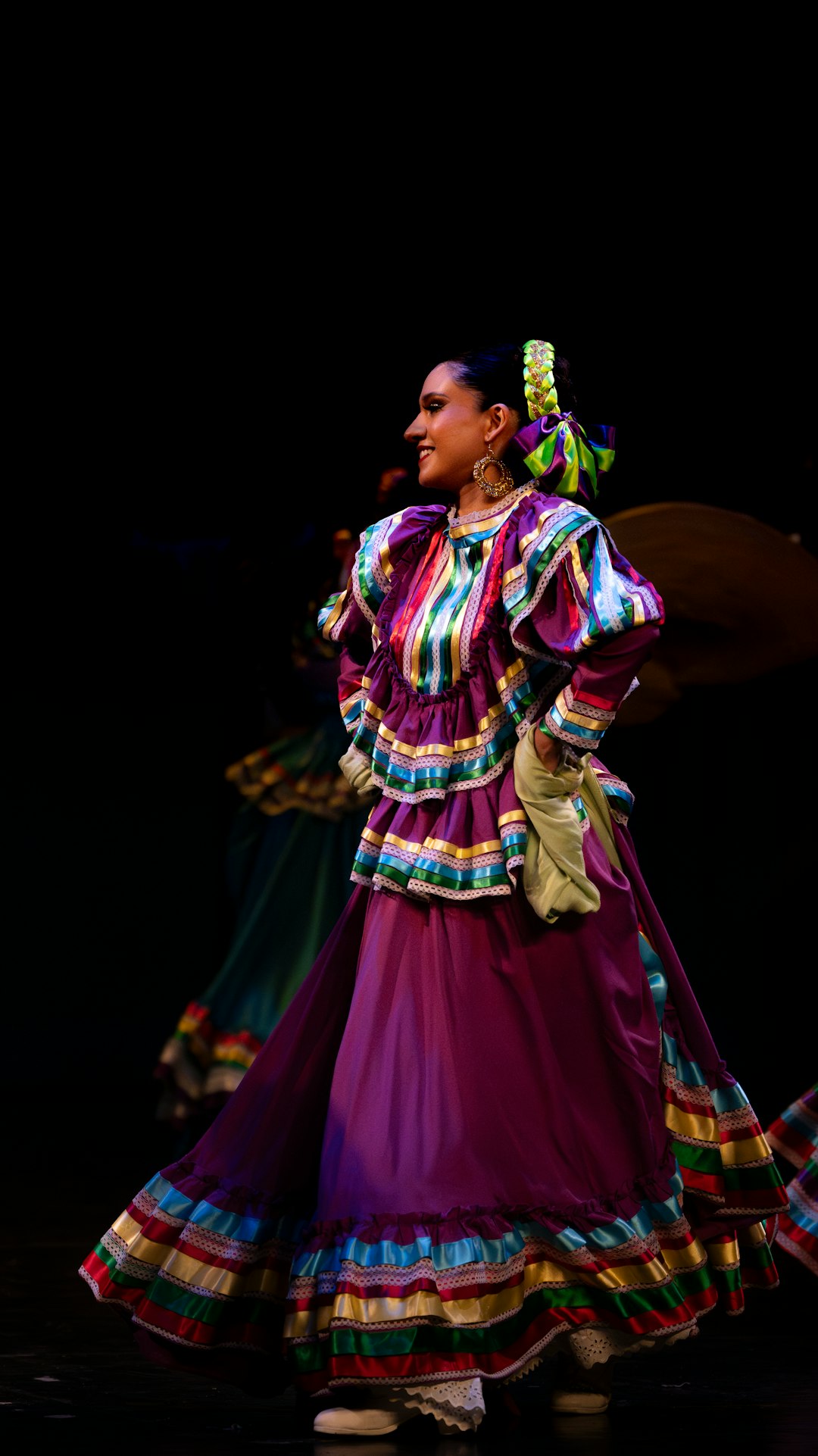
At 8 p.m. on a Thursday, the floor at Anthoston City Tango Collective is already crowded. A software engineer in her twenties locks into an embrace with a retired accountant in his sixties. They trade partners between songs, guided by a live bandoneón player perched on a folding chair in the corner. This is not a performance. It is a milonga, the social heartbeat of Anthoston City's tango scene—and for newcomers, it can feel like walking into a foreign film without subtitles.
Anthoston City has quietly built one of the most accessible tango communities on the East Coast. There are no velvet ropes, no pressure to arrive with a partner, and no requirement to own dance shoes on day one. What exists instead is a network of studios and collectives that have spent the last decade lowering the barriers to entry while still challenging serious dancers.
We selected the three institutions below based on instructor credentials, breadth of programming, student reviews, and accessibility to dancers with varying schedules and budgets. Each offers a distinct entry point into the same welcoming scene.
Anthoston Tango Academy
Best for: Dancers who want structured progression and technique-first instruction
The vibe: Polished, disciplined, slightly academic
Location: Riverdale District, two blocks from the Anthoston Central T stop
Founded in 2010 by former competitive dancers Marta and Diego Varela, Anthoston Tango Academy operates with the rigor of a conservatory and the warmth of a neighborhood school. The Varelas trained in Buenos Aires and Berlin before settling in Anthoston, and their curriculum reflects that dual influence: salon-style tango forms the foundation, but advanced students regularly work with electronic tango and neo-tango orchestras.
The programming: Beginners must start with a four-week fundamentals cycle ($120, 90 minutes per week) that covers walking, embrace, and musicality. Completion unlocks levelled drop-in classes. Advanced dancers can attend weekly "technique labs" focused on complex turns, floorcraft in tight spaces, and dancing to Pugliese's most demanding arrangements. The academy also runs a monthly practica—a supervised practice session where an instructor circulates to answer questions.
The details: Classes cap at 16 students. Partners rotate, so you may attend solo. The academy offers a 10-class card for $280 and a monthly unlimited pass for $195. Online fundamentals are available, but in-person is strongly recommended for beginners.
Know before you go: The Varelas enforce a dress code of leather-soled shoes or dedicated dance footwear. Street sneakers are not permitted on the studio floor.
Passionate Steps Tango Studio
Best for: Small-group learners and dancers who prioritize emotional connection over technical perfection
The vibe: Intimate, candlelit, conversation-heavy
Location: West End, above a restored 1920s pharmacy
Passionate Steps occupies a single room with exposed brick, a vintage mirror wall, and a sound system that cost more than the building's annual rent, according to owner-instructor Elena Ruiz. Ruiz, a psychologist before she became a tango teacher, structures her classes around what she calls "the conversation"—the nonverbal negotiation between leader and follower.
The programming: Classes are capped at eight students and often run as six-week thematic series ($150) rather than drop-ins. Recent themes have included "Dancing to D'Arienzo's Rhythmic Sharpness" and "The Art of the Pause." Ruiz brings in one guest instructor from Argentina per quarter; past visitors have included Lucía Vásquez, who spent a weekend on the nuances of the milonguero embrace, and Juan Ortega, who taught a sold-out workshop on dancing to live versus recorded music.
The details: No partner required. Ruiz will place you. The studio offers one private introductory lesson for $60, which many students use to assess fit before committing to a series. Schedule is limited: group classes run Tuesday and Thursday evenings only.
Know before you go: Ruiz does not permit phones in the studio during class. She also asks that advanced dancers refrain from giving unsolicited feedback to newer partners.
Anthoston City Tango Collective
Best for: Social dancers, night owls, and anyone who wants to learn by immersion
The vibe: Bohemian, intergenerational, slightly chaotic in the best way
Location: Warehouse District, in a converted textile mill
The Collective is technically a nonprofit, not a traditional studio. It was founded in 2014 by a group of dancers who wanted a space free from the profit pressures of private instruction. What emerged is a hybrid model: low-cost classes fund free weekly milongas and community events.
The programming: Pre-milonga lessons run every Friday and Saturday ($10, included with milonga admission). These are drop