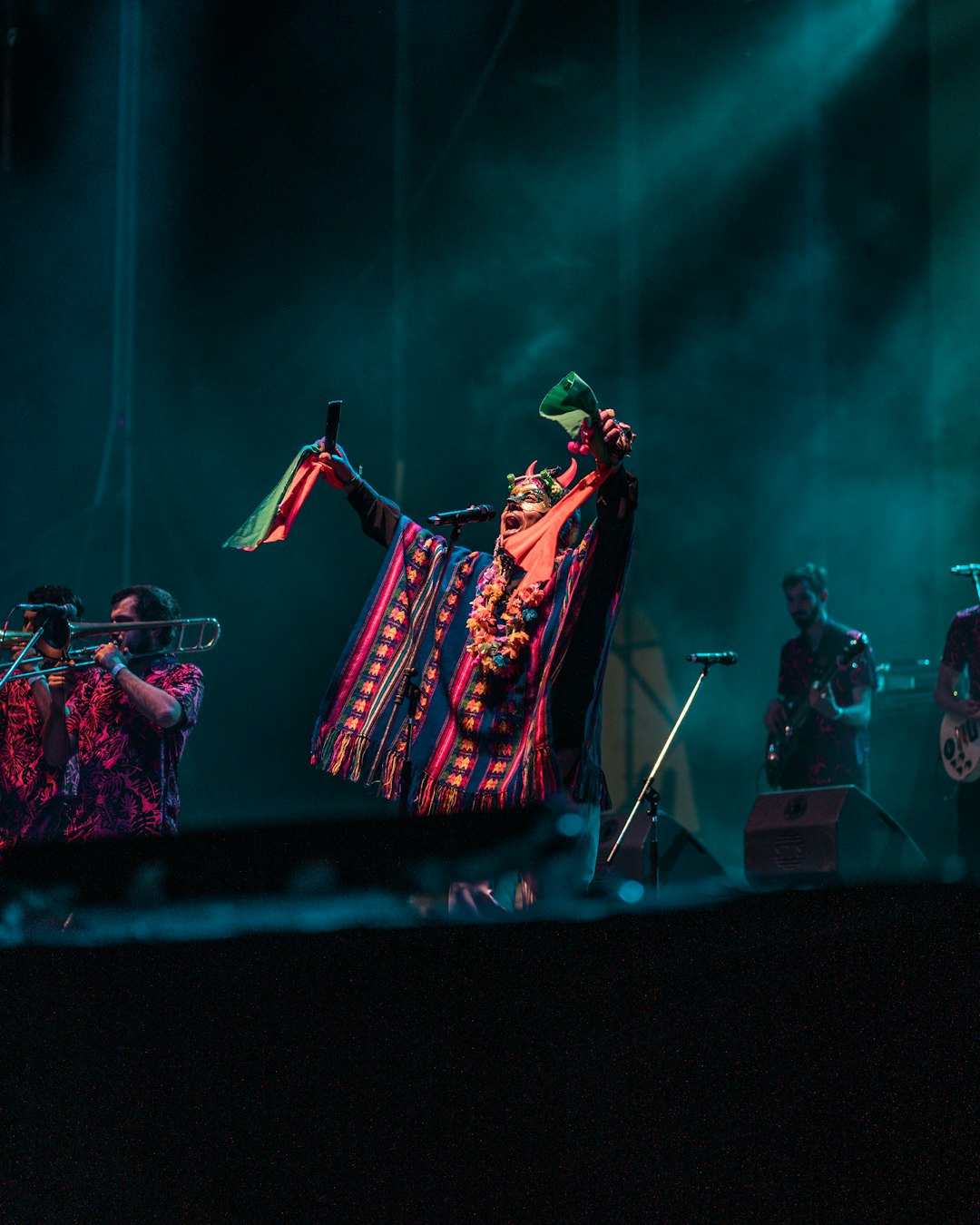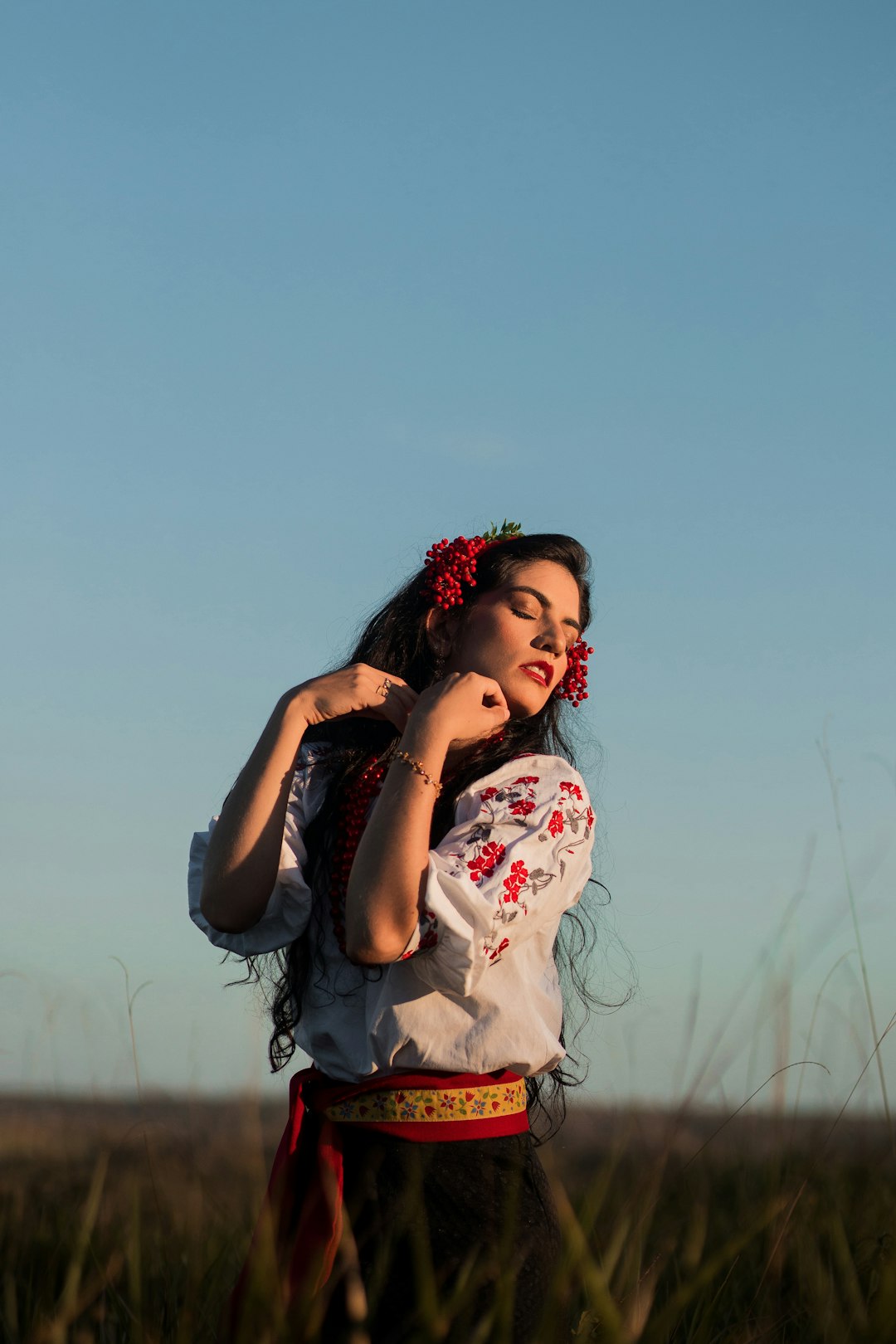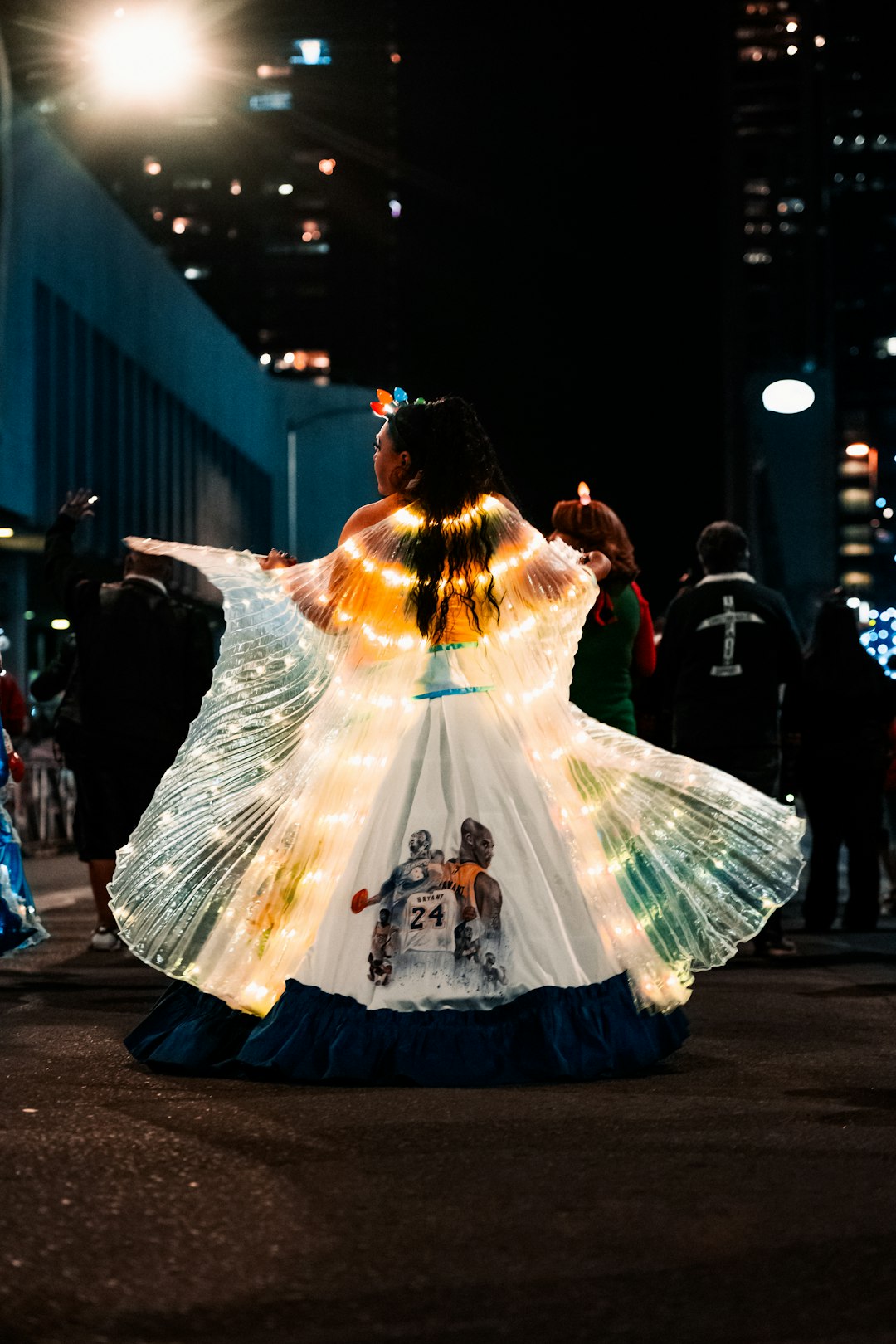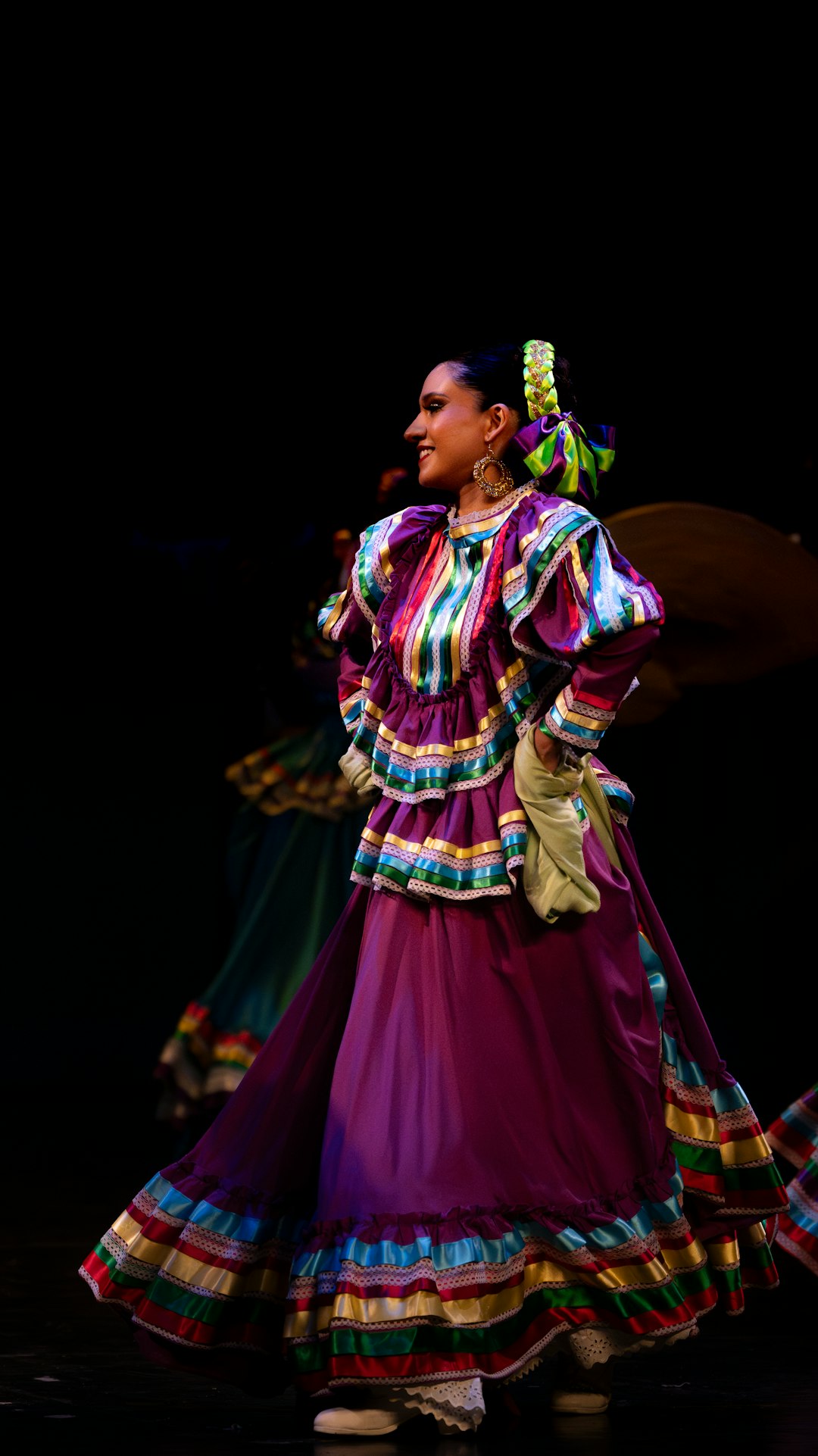
On Thursday evenings, when the St. Lucie River catches the sunset and turns the color of amber, you can hear it: a bandoneón wheezing through an open window at the old marina warehouse, followed by the scrape of leather on wood. That warehouse belongs to The Tango Academy. In a city better known for sailing regattas and grapefruit groves, Tango has carved out a stubborn, elegant foothold—and a handful of schools have shaped what that foothold looks like.
This guide cuts through the marketing language to show you what each school actually offers, who thrives there, and what it will cost you to walk through the door.
How to Use This Guide
Every school below is rated on three practical dimensions:
| Consideration | Why It Matters |
|---|---|
| Best for | The dancer profile that fits this environment |
| Standout feature | One concrete thing you won't find elsewhere |
| Know before you go | Price, schedule, or logistical reality |
The Tango Academy
Best for: Dancers who want structure, lineage, and a direct pipeline to Argentine technique.
Standout feature: Lead instructor Marco Vela trained for twelve years in Buenos Aires under Gustavo Naveira before founding the academy in 2014. The curriculum he built runs in strict trimesters: Fundamentals, Interpretation, and Improvisation. Students do not advance until Vela signs off on their proficiency exam—a 20-minute improvised dance with a randomly assigned partner.
Know before you go: Group classes meet Tuesday and Thursday evenings, 7–9 p.m., at the marina warehouse (1421 Riverfront Drive). A 12-week trimester runs $480, with a $45 drop-in option for your first class only. The space has no air conditioning; in July, you will sweat.
The academy also hosts three guest instructors annually, flown in from Buenos Aires or Córdoba. Past visitors have included María Olivera, who spent a week teaching the subtle differences between salon and milonguero embrace. These workshops sell out within 48 hours of announcement.
Passionate Steps Studio
Best for: Beginners who feel intimidated by technique and want to understand why Tango matters before worrying about how it works.
Standout feature: Founder Elena Rios insists that every beginner spend their first three classes eyes-closed, alone in the center of the room, learning to follow the bandoneón's rise and fall. Only then do they touch another person's hand.
Know before you go: Classes cap at six students. A four-week introductory cycle costs $140 and meets Monday evenings in a converted 1920s bungalow on Citrus Boulevard. Rios does not offer drop-ins; the intimacy of the group depends on everyone starting together.
Rios, a former music therapist, designs her curriculum around emotional fluency. Advanced students still return for her monthly "Silencio" sessions—dances performed without music, where partners must create rhythm through breath and weight shift alone.
Rhythmic Souls Tango Center
Best for: Dancers drawn to both the tradition's roots and its evolution into electronic and neo-Tango.
Standout feature: The center's "Split Floor" format. On any given Friday, one studio runs a traditional milonga with a live trio; the other hosts a "Tango Lab" where dancers experiment with contact-improvisation techniques set to Ólafur Arnalds and Bajofondo.
Know before you go: Located in the Midtown Arts District (880 Palette Avenue). Membership runs $95/month for unlimited classes and open dances; individual classes are $22. The building features sprung floors, full-length mirrors, and a lounge where students often stay until midnight. Free street parking becomes scarce after 7 p.m.
Instructors rotate every six weeks, which keeps the energy fresh but means you may need to adapt to different teaching styles. The center also produces two student showcases yearly at the Riverfront Playhouse—participation is optional but heavily encouraged.
Elegance in Motion School
Best for: Serious dancers with concrete competitive or professional goals, and the stamina to match.
Standout feature: The school's "Technique Tuesdays," a three-hour morning intensive devoted entirely to axis, dissociation, and foot placement. No choreography. No partner work. Just slow, repetitive drilling that leaves most students exhausted by 11 a.m.
Know before you go: Director Patricia Hahn, a former US Tango Championship finalist, accepts new students by audition only. Full-time training runs $620/month and includes five weekly classes plus one private coaching session. Part-time enrollment (two classes weekly) is available at $340/month. The school operates out of a third-floor studio on Flagler Street with no elevator.
Hahn's students have