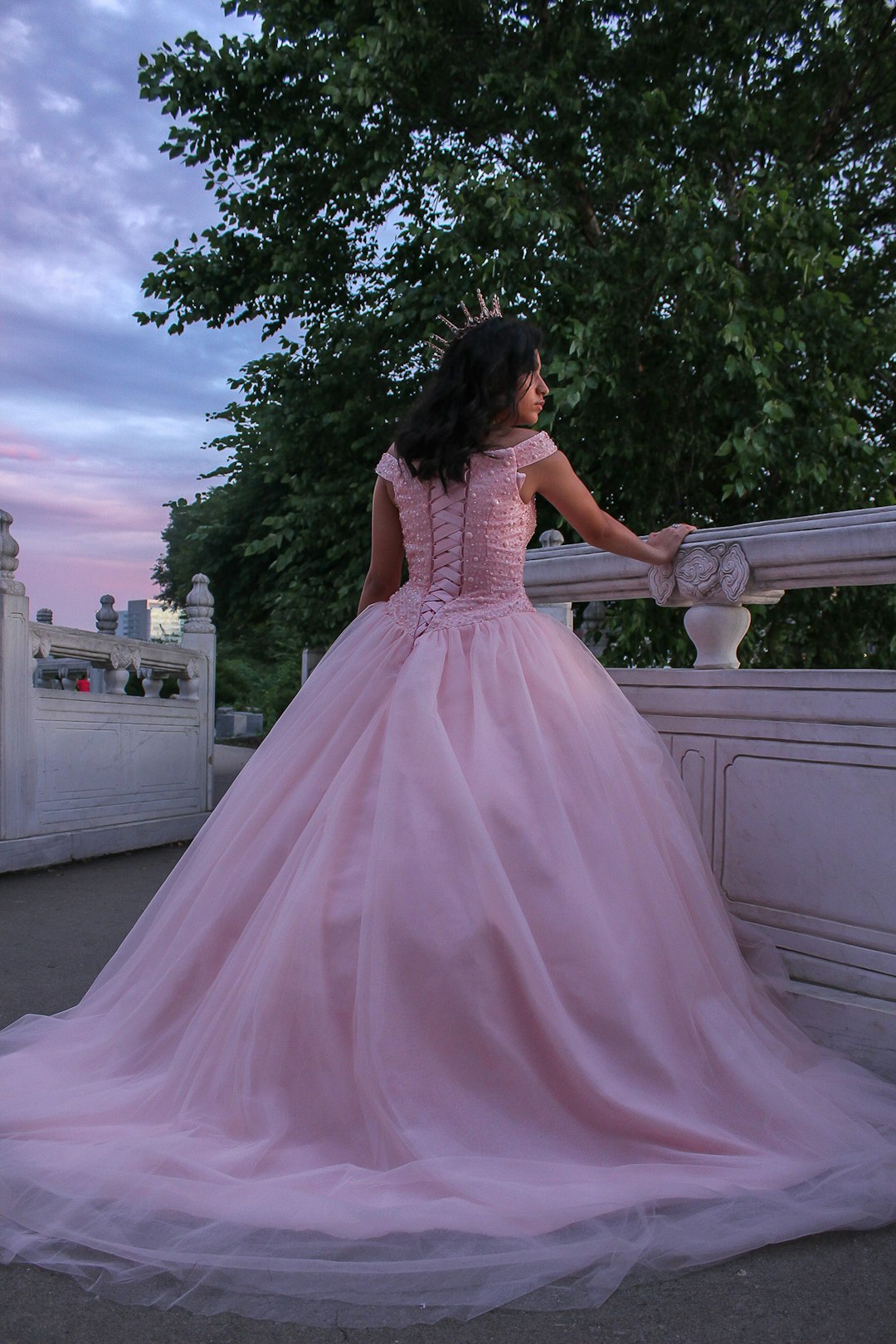
When 14-year-old Sophia Park landed her first soloist role in a regional production of The Nutcracker last winter, she traced her confidence back to a strip mall studio off Colima Road. "I started at five, just doing pliés in a pink leotard," she says. "Now I'm training six days a week and thinking about college dance programs."
Park's trajectory reflects a broader shift in Rowland Heights, where ballet has evolved from weekend activity to serious artistic pursuit. In this predominantly Asian-American community—where 64% of residents identify as Asian—classical dance traditions intersect with competitive academic culture, creating a unique environment for young dancers.
But with no centralized directory and studios operating across the city's unincorporated pockets, families often struggle to distinguish between recreational programs and pre-professional training. This guide examines what to look for in quality ballet instruction and profiles three established studios serving the Rowland Heights area.
What Separates Serious Ballet Training from Recreational Dance
Before comparing studios, parents should understand how ballet curricula differ:
Training Methodologies
- Vaganova (Russian): Emphasizes strength, expressiveness, and whole-body coordination; used by most professional companies worldwide
- Cecchetti (Italian): Focuses on anatomical precision and eight fixed positions
- Royal Academy of Dance (RAD): British system with standardized examinations and progressive syllabi
Faculty Credentials Matter Look for instructors with professional company experience or certification from recognized training programs. A former corps de ballet member brings different insights than a competition-focused choreographer.
Performance Philosophy Some studios emphasize annual recitals with elaborate costumes; others prioritize classical repertoire and partnering experience. Neither approach is superior—alignment with student goals is key.
Three Studios for Ballet Training in Rowland Heights
Sunshine Dance Studio: Building Foundations for Young Dancers
Location: 19745 Colima Rd, Rowland Heights
Established: 2008
Director: Jennifer Wu, former member of Taipei National University of the Arts dance ensemble
Sunshine Dance Studio anchors the eastern end of Colima Road's commercial corridor, occupying a second-floor space above a boba shop. The 4,000-square-foot facility houses two studios with sprung floors—essential for injury prevention—and wall-to-wall mirrors installed at precise angles to prevent visual distortion.
Wu founded the studio after relocating from Taiwan, bringing Vaganova-based training uncommon in the area's largely competition-oriented dance landscape. "In my first years, parents would ask why we weren't doing more 'fun' routines for recitals," Wu recalls. "Now I have students who started at four training 15 hours weekly by middle school."
The studio's pre-professional track, added in 2016, requires placement by audition and includes pointe preparation, variations coaching, and private lessons. Students have advanced to summer intensives at San Francisco Ballet and Houston Ballet, though Wu emphasizes that most families seek "discipline and artistry, not necessarily careers."
Distinctive feature: Mandatory parent observation windows and quarterly progress conferences—unusual transparency in an industry where instruction often happens behind closed doors.
Class structure: Ages 3–5 (creative movement/pre-ballet); 6–8 (primary levels); 9+ (leveled technique with pointe preparation starting at 11–12 with medical clearance)
West Coast Dance Theatre: Performance-Focused Training
Location: 1380 Fullerton Rd, Rowland Heights (Diamond Plaza)
Established: 2012
Artistic Director: David Morales, former soloist with Ballet Hispanico; MFA, NYU Tisch
Morales established West Coast Dance Theatre after touring internationally left him seeking community roots. The studio occupies converted retail space in Diamond Plaza, with exposed ductwork and professional Marley flooring imported from England.
The curriculum follows a hybrid approach: Vaganova-based technique classes supplemented with contemporary and jazz training Morales considers essential for modern employability. "The 'pure' ballet dancer is increasingly rare," he notes. "Our students need versatility."
Performance opportunities exceed most local competitors. The studio produces two full-length story ballets annually—typically Nutcracker and a spring classic like Coppélia or Giselle—at the 400-seat Whittier Center Theatre. Students also participate in regional competitions (YAGP, ADC|IBC) with coaching available for scholarship and company audition preparation.
Distinctive feature: Required cross-training in modern and character dance; all level 4+ students learn basic partnering.
Notable outcome: Alumni have joined second companies at Sacramento Ballet and Oklahoma City Ballet; several currently dance in commercial entertainment (touring productions, cruise lines).
Class structure: Leveled 1A–6 with twice-yearly evaluations; adult open classes available mornings and evenings








