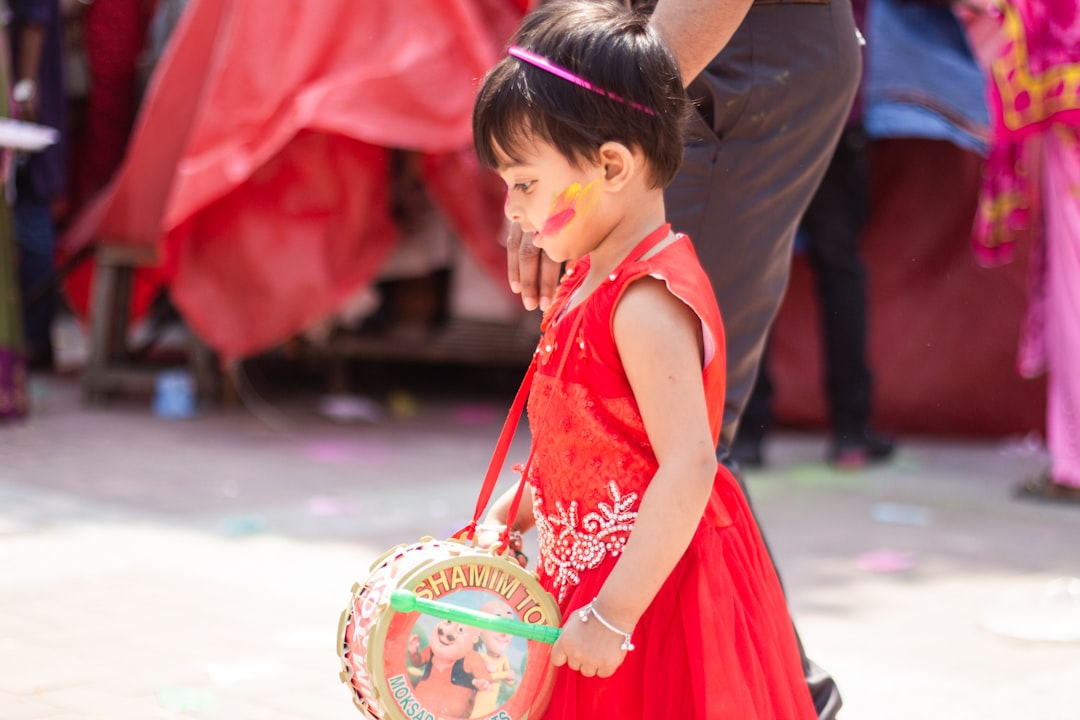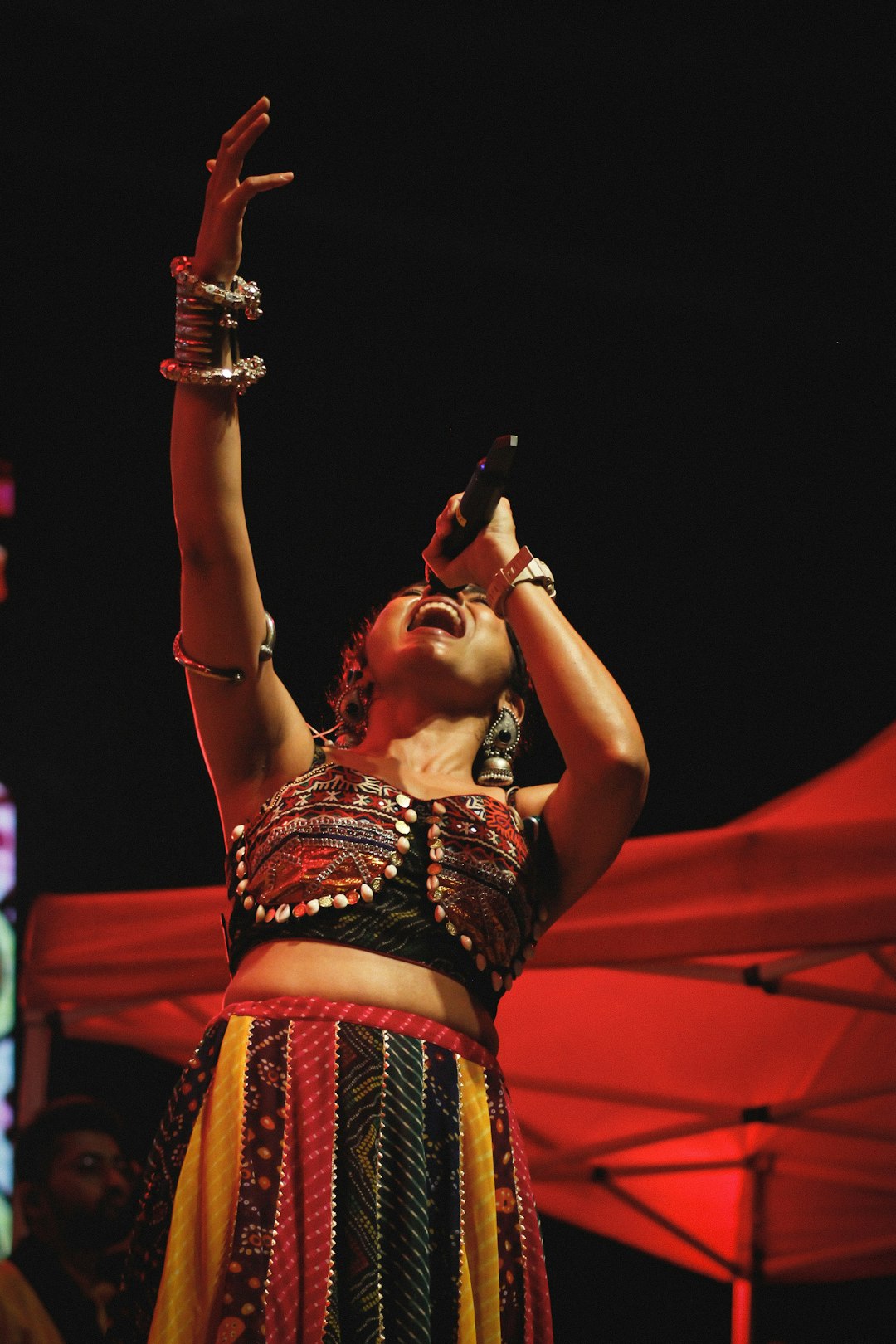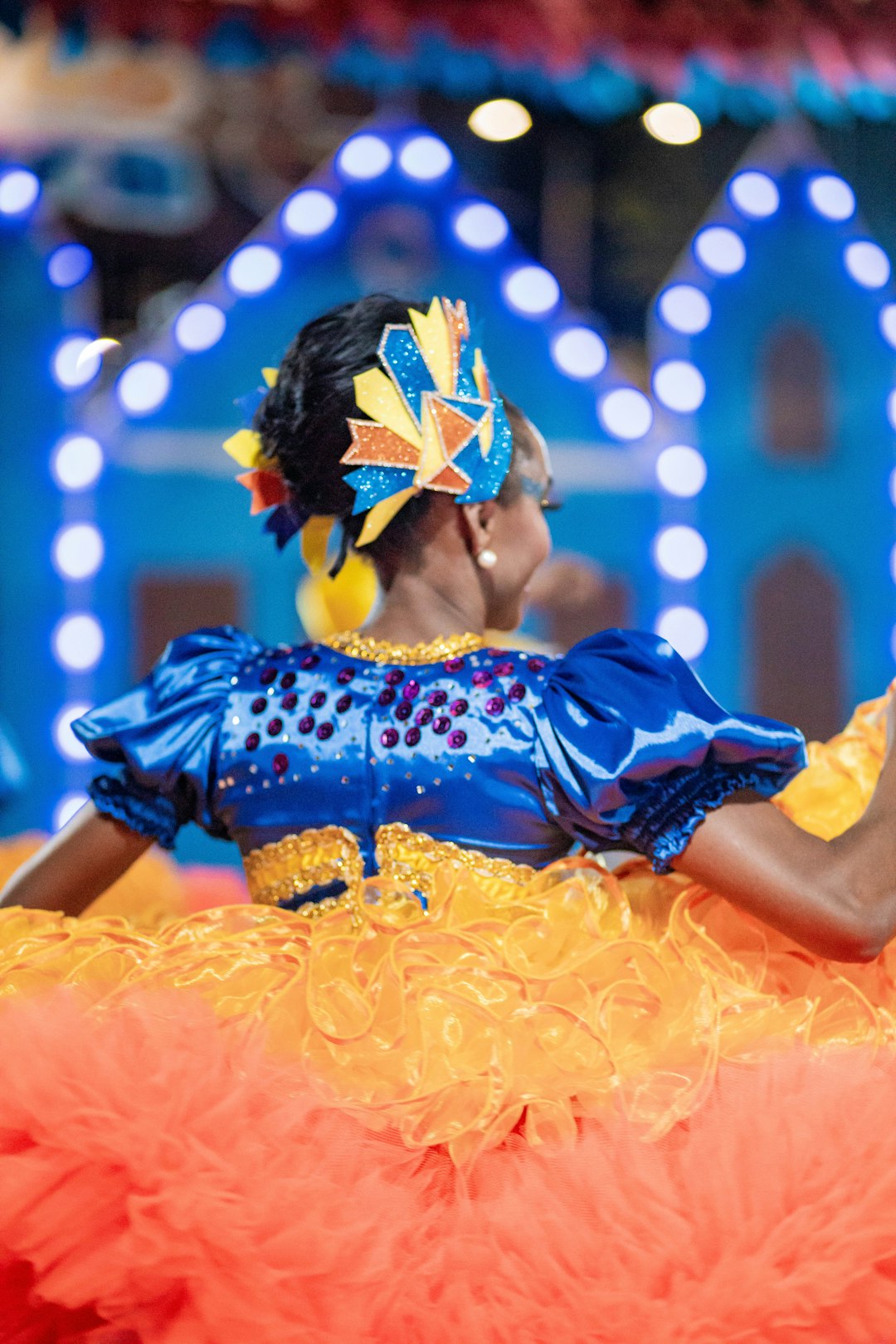
The irregular stomp of flamenco echoes off brick facades as evening falls in Macy City. What began as a scattered scene of retired professionals and heritage families has, since the 2023 Flamenco Biennial, become something more organized. Enrollment across the city's academies jumped 34% last year, drawing veteran dancers from Jerez and first-time students from the outer boroughs alike. For those ready to commit, here are four studios worth your time—each with a distinct philosophy, schedule, and entry point.
El Compás del Alma: The Traditional Foundation
Neighborhood: Historic District | Drop-in: $22 | Monthly membership: $180
In a converted 1920s hardware store on Calle Mayor, El Compás del Alma preserves the ritual of la hora de clase without museum-piece stiffness. The sprung-wood floor was installed by a former carpenter from Granada. Classes run Tuesday through Saturday: beginner technique at 10 a.m., intermediate alegrías at 6 p.m., and advanced escuela bolera repertoire on Thursday evenings with Mercedes Ruiz, formerly of the Ballet Nacional de España.
The academy makes few concessions to trend. There are no mirrors in the main studio, forcing students to develop oreja—musical intuition—rather than visual imitation. Most newcomers start here, and many never leave.
Bulerías Boulevard: Tech-Forward Immersion
Neighborhood: Arts Quarter | Drop-in: $30 | Monthly membership: $240
Bulerías Boulevard markets itself as flamenco's digital frontier. The central claim: a 360-degree projection system displays archived footage of Camarón de la Isla and Lole y Manuel, which students mirror in real-time during structured lessons. In practice, the technology works best for palmas and upper-body study; footwork synchronization lags roughly half a second, which regulars treat as an eccentricity rather than a flaw.
The studio also runs weekend "flamenco lifestyle" intensives—wine education, cante history, and costume construction—that attract tourists and corporate retreat groups. Serious dancers use it as a supplement rather than a primary training ground, though the 8 p.m. tangos sessions on Fridays are genuinely crowded with locals.
Palmas Perpetuas: The Pressure Cooker
Neighborhood: Cultural District | Workshops: $150–$400 | By audition for advanced intensives
If El Compás del Alma is the beginning, Palmas Perpetuas is where you test what you've built. The center runs quarterly masterclasses with visiting artists from Seville and Cádiz, and maintains a strict hierarchy: foundation, pre-professional, and fin de fiesta performance tracks. The advanced intensives require a brief audition; the quarterly student fin de fiesta is open to the public and genuinely nerve-racking.
The community here runs on tertulias—post-class gatherings that often stretch past midnight in the studio's small kitchen. Students bring wine, argue about compás, and review video of that night's mistakes. It is not relaxing. It is, according to several regulars, the reason they improve fast enough to risk the fin de fiesta stage.
Flamenco Fusion Factory: Deliberate Friction
Neighborhood: Riverfront Warehouse District | Drop-in: $28 | Monthly membership: $200
The youngest studio on this list, Flamenco Fusion Factory opened in 2022 and has already survived one identity crisis. Founder and director Tomás Vega, a bailaor with a background in contemporary dance, originally pitched pure experimentation: flamenco-meets-hip-hop, flamenco-with-live-electronics, flamenco-for-theater. The approach alienated traditionalists and confused beginners.
In 2024, the Factory recalibrated. Now students must complete a twelve-week fundamentals sequence before accessing fusion labs. The result is more disciplined than the marketing suggests. Current experiments include a soleá set to prepared piano and a bulerías piece choreographed for six dancers in a circle, eliminating the traditional front-facing escenario. It attracts artists from other disciplines who want flamenco structure without its orthodoxies.
How to Choose
Start at El Compás del Alma for the fundamentals, even if you have prior dance training. Flamenco technique and flamenco musicality are rarely taught well together outside Spain, and this is the studio that comes closest. Add Bulerías Boulevard if you need schedule flexibility or want to understand the genre's visual history. Move to Palmas Perpetuas when you are ready to perform in front of strangers who