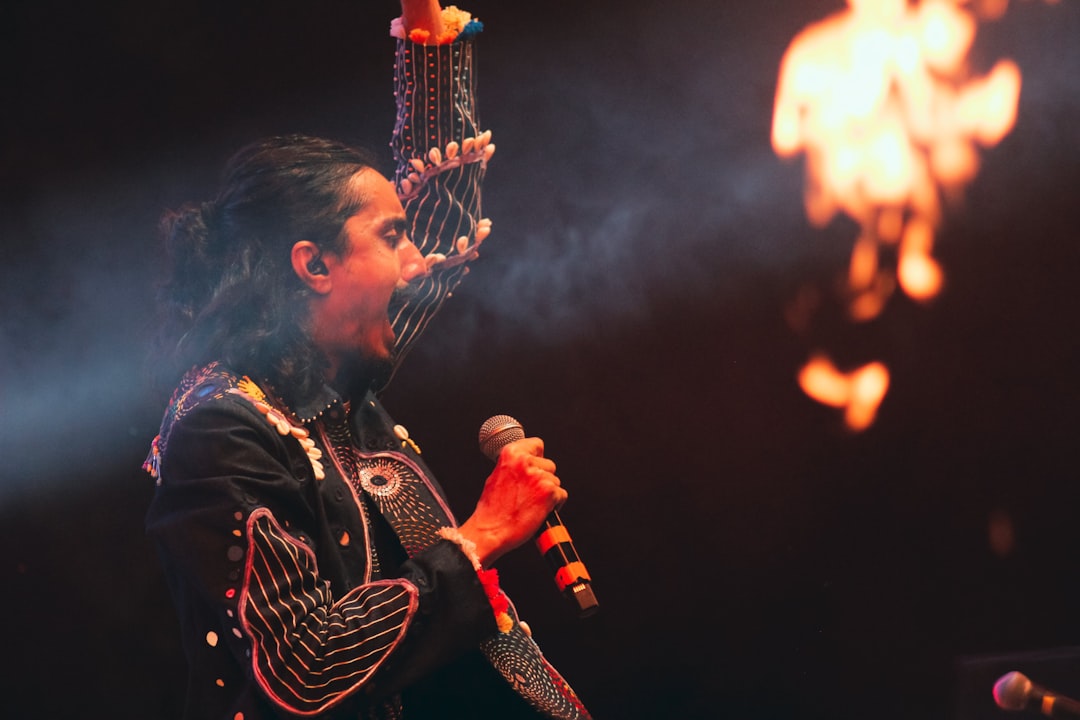
Doland City's Capoeira scene punches above its weight. What began as a handful of dedicated practitioners has grown into a tight-knit community of schools, each channeling the art's Afro-Brazilian roots through its own philosophy. Whether you're stepping into a roda for the first time or chasing your cordão advancement, three academies consistently rise to the top. Here's what sets them apart—and what to expect when you walk through their doors.
Quick Comparison
| School | Best For | Standout Feature | Neighborhood |
|---|---|---|---|
| Axé Capoeira Doland | Total beginners & families | Live-music rodas every Saturday | Midtown |
| Cordão de Ouro Doland | Cultural immersion | Portuguese-language song instruction | Westside |
| Capoeira Brasil Doland | Competitive athletes | Active tournament pipeline | Downtown |
Axé Capoeira Doland: The Foundation Builder
Best for: Beginners, kids' programs, and anyone intimidated by Capoeira's reputation for athleticism.
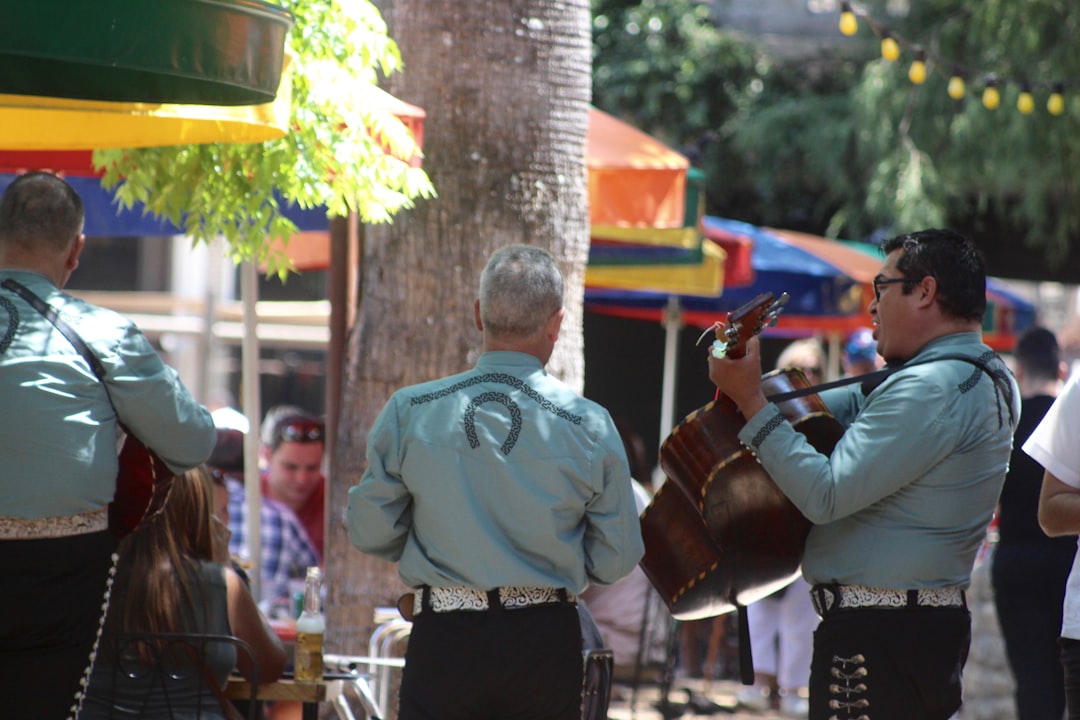
Walk into Axé Capoeira Doland on a Saturday morning and you'll hear it before you see it: three berimbaus tuning up for the weekly roda, often joined by musicians from as far as Riverside. This is the academy's signature ritual, and it sets the tone for an environment that treats music and movement as inseparable.
The academy is led by Mestre Bamba, a 25-year veteran who trained under Mestre Barrão in Vancouver before establishing his Doland branch in 2011. His classes run large—expect 20–30 students in peak evening slots—but are broken into skill-level cohorts after the first 30 minutes of communal warm-up. Bamba's teaching method is methodical: students don't touch floreios (acrobatic flourishes) until they've passed their cordão amarelo (yellow cord) assessment, a policy that frustrates some eager newcomers but produces notably clean fundamentals.
Practical details:
- Drop-in rate: $20 (first class free)
- Beginner schedule: Mon/Wed/Fri 6:30 p.m., Sat 10 a.m.
- Facility: 3,200 sq. ft. sprung-wood floor, no mirrors (by design), dedicated music room
- Notable perk: Free monthly "Family Roda" open to students' relatives regardless of experience
Cordão de Ouro Doland: The Cultural Deep Dive
Best for: Students who want to understand why Capoeira moves the way it does.
Cordão de Ouro Doland occupies a converted warehouse on the Westside, its walls lined with archival photographs of Mestre Suassuna and the group's founding generation in 1960s São Paulo. The space feels less like a gym and more like a cultural center—which is precisely the point.
Contra-Mestre Zumbi runs the academy with an almost academic rigor. His intermediate classes dedicate 40 minutes to ladainha and corrido structure, and students are expected to learn song lyrics in Portuguese, not phonetically. Zumbi also leads a quarterly lecture series on Capoeira history, covering everything from the Bantu origins of the ginga to the political pressures that shaped regional vs. Angola stylistic divides.
The physical training here emphasizes malandragem—the cunning, deceptive quality of Capoeira play—over explosive athleticism. Roda sessions are smaller and slower than at rival schools, which can surprise competitive types but creates space for musical call-and-response.
Practical details:
- Drop-in rate: $25 (sliding scale available)
- Beginner schedule: Tue/Thu 7 p.m., Sun 11 a.m.
- Facility: Concrete floor (bring knee support), open kitchen for post-class feijoada socials
- Notable perk: Annual trip to the group's headquarters in São Paulo for advanced students
Capoeira Brasil Doland: The Competition Engine
Best for: Athletes who want to test themselves in tournaments and graded events.
Capoeira Brasil Doland operates under the global Capoeira Brasil system, with local instruction led by Professor Marreta—not Mestre Boneco, who co-founded the organization in Rio de Janeiro but does not teach locally. (This is a common point of confusion for newcomers drawn by the brand name.) Marreta himself is a three-time Pan-American Capoeira Games medalist, and his competitive pedigree permeates the academy.
Classes here are fast, physically demanding, and tactically oriented. Students drill esquivas (dodges) against resistance, study game footage, and prepare explicitly for the