The First Stamp of the Heel Changes Everything
Nobody walks into a flamenco studio quietly. The first time I pushed open the heavy wooden door at El Corazón, a wave of rhythmic stomping hit me like a heartbeat through a wall. María Elena wasn't even looking at me—she was watching a student's foot placement with the kind of focus usually reserved for defusing bombs. " harder," she said, not unkindly. "The floor doesn't care about your feelings. Make it care."
That's the thing about Trilby City's flamenco scene. It doesn't greet you with pamphlets and promises. It greets you with wooden floors that have been worn down by decades of dedication, and instructors who treat this art form like the living, breathing thing it is.
The Purist's Path
If you're the type who wants to understand flamenco from the inside out—not just learn steps but absorb the whole culture—Casa de la Danza Flamenca will feel like coming home. It's tucked above a bakery on Meridian Street, and the smell of fresh bolillo drifts up through the floorboards during morning classes. There are maybe eight students in a typical session. No hiding in the back row. No coasting.
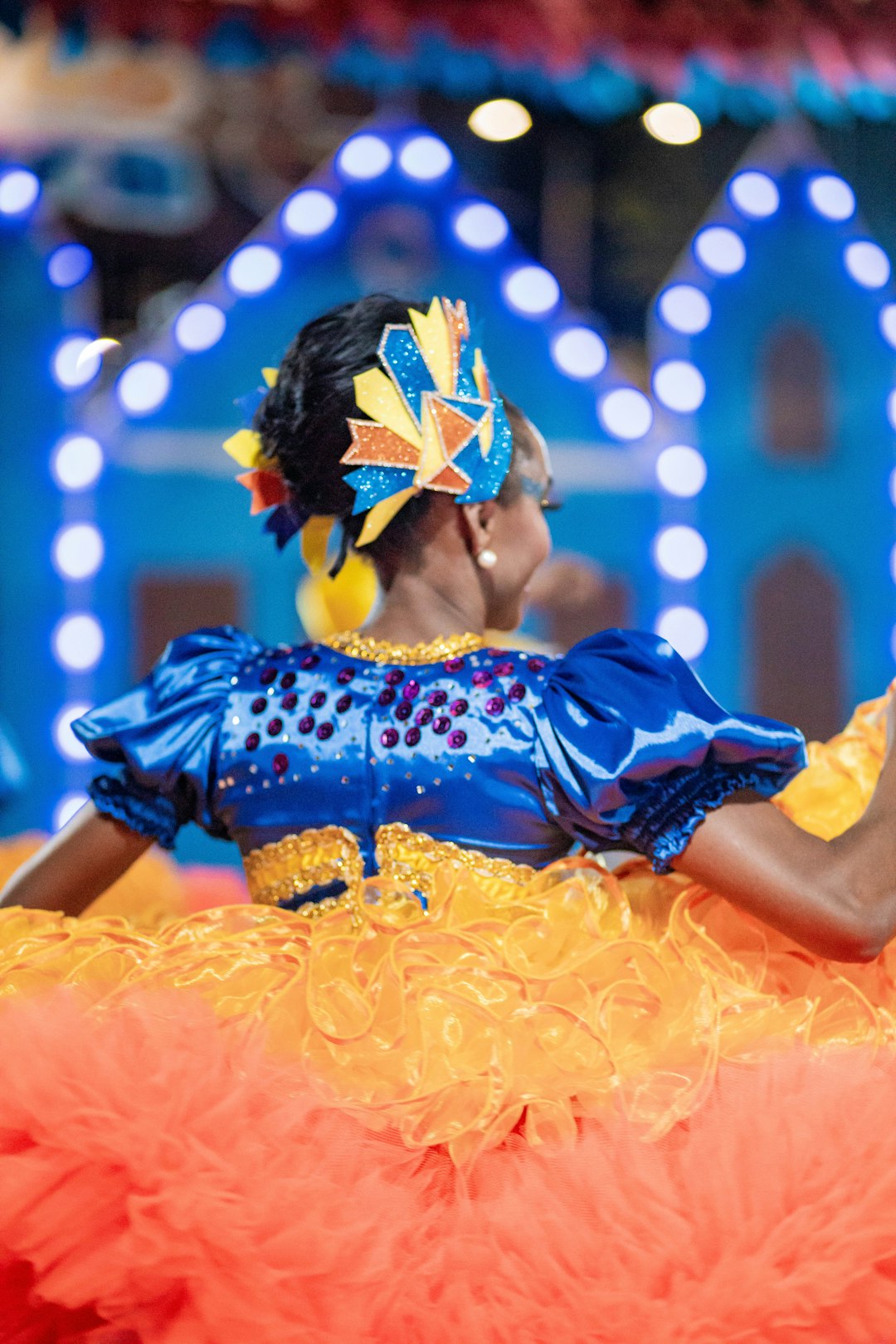
Elena Ruiz, who runs the place, grew up in Sevilla and still pronounces "bulerías" with a slight trill that makes you feel like you're training in Andalusia instead of downtown Trilby. Her students learn guitar basics, yes, and the cante rough enough to understand how their bodies should carry the melody. But they also learn why a bata de cola catches light a certain way, and how to pin a rose so it doesn't flop after a single turn. The whole package. Every March, she throws a tablao in the basement of the old firehouse on 4th Street. No parents, no polite applause. Just wine, sweat, and the real deal.
When Tradition Meets the Turntables
Now, maybe you're thinking: that's beautiful, but what if I want to break something?
Flamenco Fusion Studio is where the rules get bent. Dakota Chen runs workshops that start with traditional soleá and somehow end with students incorporating body percussion and hip-hop isolations. It shouldn't work. It absolutely does. The first time I saw a dancer execute a perfect llamada and drop into a ground sweep that looked stolen from breakdancing, I stopped breathing for a second.
Dakota brings in guest artists every other month. Last spring, a guitarist from Granada showed up with a loop pedal and a flamenco bass. Half the room was scandalized. The other half was electrified. That's the vibe. You'll find retired professional dancers working alongside college kids who found the studio on Instagram. Nobody's in the wrong place. The only requirement is that you commit fully when the palmas start.
The Ones Who Live It
La Soleá Conservatory isn't trying to be cozy. The building looks like a converted bank—high ceilings, marble floors, stern portraits of old maestros lining the staircase. Students here are chasing something specific: a professional life on stage. The curriculum runs six days a week and includes music theory, flamenco history, and anatomy classes specifically tailored to the repetitive strain that stomping puts on your knees and ankles.
But what surprised me most wasn't the rigor. It was the Wednesday night juergas. After the formal program ends, the conservatory opens its main hall to anyone who wants to show up with a guitar, a voice, or just a willingness to dance without choreography. No teachers. No corrections. Just the communal pulse of people who have given their lives to this form. I watched a second-year student—seventeen years old, born in Trilby City, never been to Spain—lead a fiesta that had grown men weeping into their beers. That's not training. That's transformation.
Finding Your Floor
Here's what nobody tells you when you're googling "flamenco classes near me": the studio matters, but the floor matters more. Not the literal floor—though good sprung wood will save your joints. I mean the emotional floor. The place where you can be terrible without being embarrassed. Where you can be great without being performed.
Trilby City's flamenco community isn't a brochure. It's a collection of rooms where people are willing to be vulnerable in a way that looks, from the outside, like ferocity. Whether you end up at the strict conservatory or the experimental fusion space, you're going to discover something about your own capacity for patience, for anger, for joy expressed through the heel of your shoe.
The city's flamenco institutions aren't asking you to arrive polished. They're asking you to arrive honest. The rest is just practice, blisters, and the occasional moment where everything clicks and you finally understand why this art form has survived for centuries.
Lace up. The floor's waiting.