---
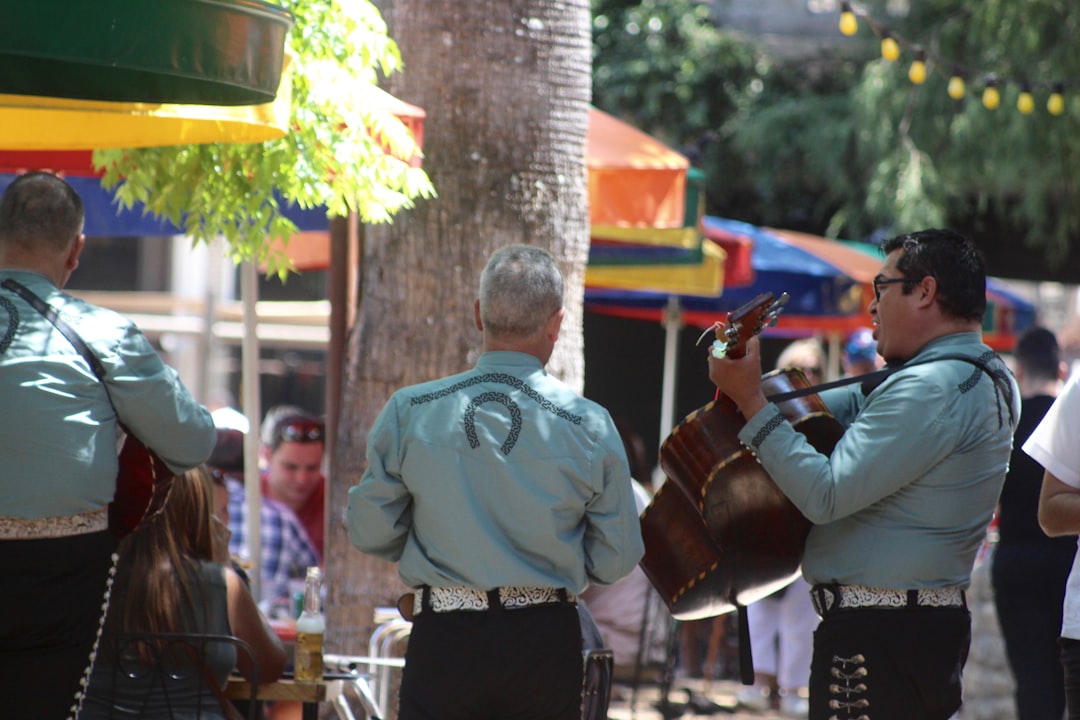
There's a sound that hits you before you even walk through the door — the sharp, rhythmic clack of a berimbau vibrating against the evening air, mixed with the syncopated stomps of bare feet on a wooden floor. That's when you know you've found the right place. Capoeira has this way of announcing itself. It doesn't whisper. It drums its presence into the street, into your chest, into the soles of your feet before you've thrown a single kick.
I first caught the bug in Auburn City three years ago, watching a roda spill out of a community center on a Saturday afternoon. What started as a casual crowd of maybe fifteen people had doubled by the time the energia peaked — neighbors stopping to watch, kids模仿着 ginga in the parking lot, someone already signing up for their first class on the spot. That spontaneous combustion is what Capoeira does. It pulls you in sideways, through the music, through the community, through the sheer physical joy of moving like water.
If you're looking to get serious about training in Auburn City, you're in luck. The city has quietly assembled one of the more solid networks of Capoeira schools I've come across — and I'm going to walk you through the ones that actually deliver.
Capoeira Auburn Academy is where most serious beginners end up eventually, and for good reason. The instructors here trained in Salvador's Pelourinho district under Mestres who learned from Mestres who learned from the old guard — this isn't diluted recreation Capoeira. There's a cultural weight to the classes. You won't just drill kicks; you'll learn the history behind each one, the rhythms that call for each movement, the Portuguese phrases that pepper every session. The academy runs beginner Fundamentals classes on Tuesday and Thursday evenings, but what really sets them apart are their monthly Roda nights — open circles where students at every level get a turn, and the energy is nothing like a sterile gym floor. It's loud, it's sweaty, and it's alive.
Ginga Capoeira Studio takes a different approach. Where the Academy leans traditional, Ginga leans into accessibility. The schedule here is built for people with actual jobs — morning classes before work, weekend workshops, evening options that aren't just for hardcore practitioners. Instructor Mariana brings a background in contemporary dance and it shows in how she teaches the fluidity between movements. She'll break down a macaquinha or a negativa until it feels natural in your body, then layer in the musicality so it doesn't feel like choreography at all. The studio also hosts quarterly "Roda Aberta" events — public jams that attract practitioners from three states over. If you've never seen fifty people call-and-response their way through a bamba, you're missing something.
Axé Capoeira Auburn is the largest of the local groups and carries the structure of an international network. Being affiliated with Axé means access to visiting Mestres on a regular basis — you're not just learning from whoever happens to be in town. The Auburn location has a dedicated training space with proper flooring, mirrors, and a full percussion corner. They run youth programs for ages six through sixteen, which is worth noting if you're looking for something for your kids that isn't soccer or piano. The children's classes are shorter, more game-based, and heavy on the musical element so kids learn the rhythms before they learn the kicks. It's smart pedagogy disguised as fun. The adult program is rigorous but never intimidating — the community skews supportive rather than competitive, which matters when you're learning something this physically demanding.
Cordão de Ouro Auburn is the place for the purists. The training here is disciplined, structured, and technically precise. You'll spend the first twenty minutes of every class doing conditioning drills that will make your calves burn and your vocabulary shrink to grunts and occasional Portuguese. But there's real value in that rigor. When you see a Cordão de Ouro practitioner move through a sequence, the technique is evident — clean lines, controlled landings, kicks that snap with economy rather than flourish. The group brings in international instructors twice a year for intensive workshops, and these events draw a serious crowd. If your goal is to compete, perform, or eventually teach, this is the track that will get you there.
Malês Capoeira Group is the wildcard — and I mean that as a compliment. The instructors here blend traditional form with contemporary movement concepts in ways that keep classes unpredictable. One session might focus on acrobatic floreios (flowing floor work), the next on the storytelling aspect of the ginga — how your body language communicates with the roda. Malês also does more community outreach than any other group in the city: they run free workshops at local libraries, partner with youth shelters, and host an annual "Capoeira for All" event where everything is donation-based. Walking in as a beginner here doesn't feel intimidating because half the room is beginners too. The vibe is genuinely welcoming without being saccharine about it.
Here's what I've learned watching people stick with Capoeira — or quit after a month: the school matters less than the community you find yourself in. Every one of these places will teach you the movements. What separates a good experience from a transformative one is whether you find your people in that room — whether the roda feels like home by the third or fourth visit.
So find a class this week. Show up ten minutes early so you're not the last person through the door. Watch how the existing students interact with the instructor, with each other, with newcomers. Does it feel like a place where you'd want to spend your Tuesday evenings for the next two years? If yes, that's your school. If not, try the next one on the list.
The berimbau doesn't lie. Follow the sound.