The night that changed everything
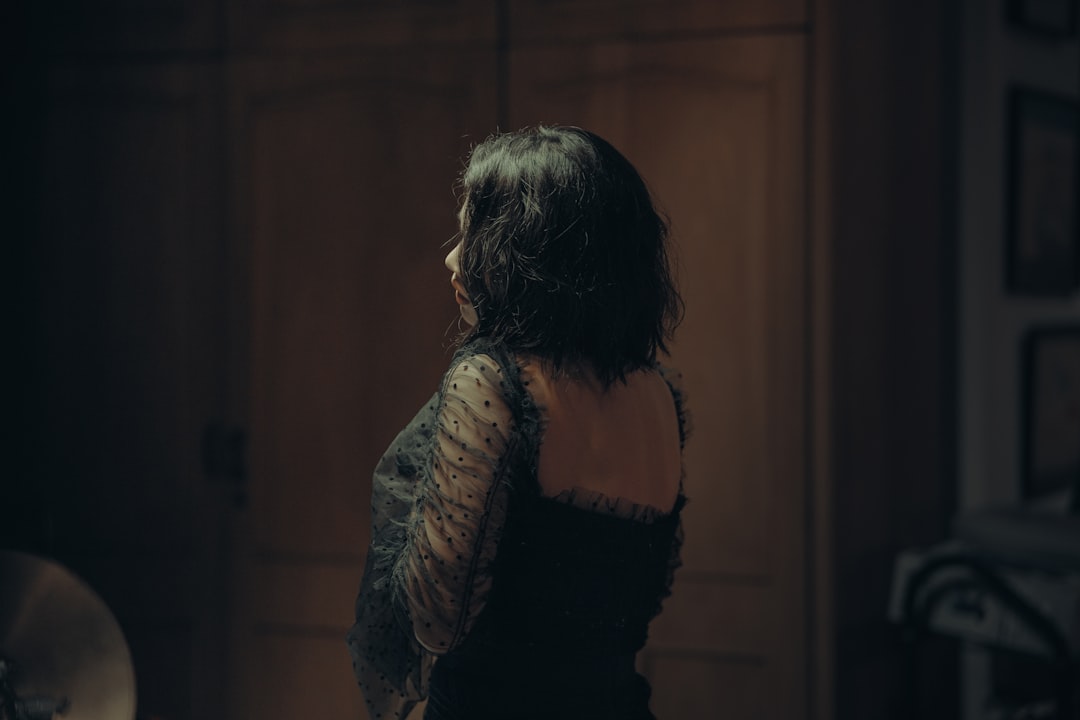
Maria's hands were shaking when she walked into her first salsa class. Twenty-three years old, never danced a day in her life, convinced she had the coordination of a folding chair. Three months later? She's the one pulling nervous beginners onto the floor at social nights, laughing at their terrified faces because she's been there.
Barling City does that to people.
There's something about this place—maybe it's the lack of pretension, maybe it's the instructors who actually remember your name after week two—that turns skeptics into regulars. You don't find that everywhere.
More than just steps
Let's get real about what you're signing up for. Salsa here isn't the polished, performance-ready stuff you see on YouTube competitions. It's messier. Warmer. More human. You'll learn the basics—side-to-side, the cross-body lead, that tricky turn that trips everyone up the first dozen times—but you'll also learn how to listen to the music.
The good instructors don't just count out beats. They'll play a track and ask: "Where's the conga? Follow that." Or explain why salsa dura demands different energy than salsa romantica. This stuff matters if you want to dance with actual people instead of just memorizing routines.
Bachata's gained serious traction lately too. Blame the Dominican restaurants downtown blasting it on weekends, or maybe it's just that people finally realized bachata's the easier entry point. You can fake bachata longer than you can fake salsa. Not saying you should fake it—but that forgiving rhythm gives beginners room to breathe.
The social scene (where the real learning happens)
Classes teach you steps. Social nights teach you to dance.
Every other Friday at the community center—$5 at the door, water stations in the corner, a DJ who actually takes requests—the floor fills with a mix you won't find in most cities. Teenagers next to retirees. People who've been dancing since the 90s paired with folks who learned the basic step last Tuesday.
No one's counting your mistakes. They're too busy having fun.
One regular, an older guy named Carlos, has been showing up for six years. He barely speaks English. Doesn't matter—he'll grab your hand, signal the lead, and suddenly you're doing turns you didn't know you had in you. That's the community here. People share what they know.
Choosing where to start
Look, you could spend weeks researching studios, reading reviews, comparing pricing. Or you could just show up somewhere and see if it clicks.
The rec center offers beginner packages that don't require commitment—four classes, different instructors, rotating styles. Smart move if you're not sure whether salsa or bachata suits you better. (Spoiler: you'll probably end up doing both anyway.)
Private lessons exist if that's your thing. Worth it if you've got specific goals—maybe a wedding dance, maybe you're tired of being the person standing against the wall at socials. But don't feel like you need them to progress. The group class regulars advance just fine.
What nobody tells you
Your feet will hurt. You'll sweat through shirts you liked. There's a solid chance you'll step on someone, apologize profusely, and have them laugh it off because they've done worse.
You'll also leave class buzzing in a way that lasts for hours. Not from endorphins or whatever—just from the simple act of moving your body to music alongside other people doing the same thing.
That feeling doesn't get old.
Barling City's got the teachers, the spaces, the community. But what makes it work isn't the facilities or the schedules. It's that nobody's trying to be impressive. They're just trying to dance.